Trust Oracle: Tokenizing Trust in Blockchain Economy
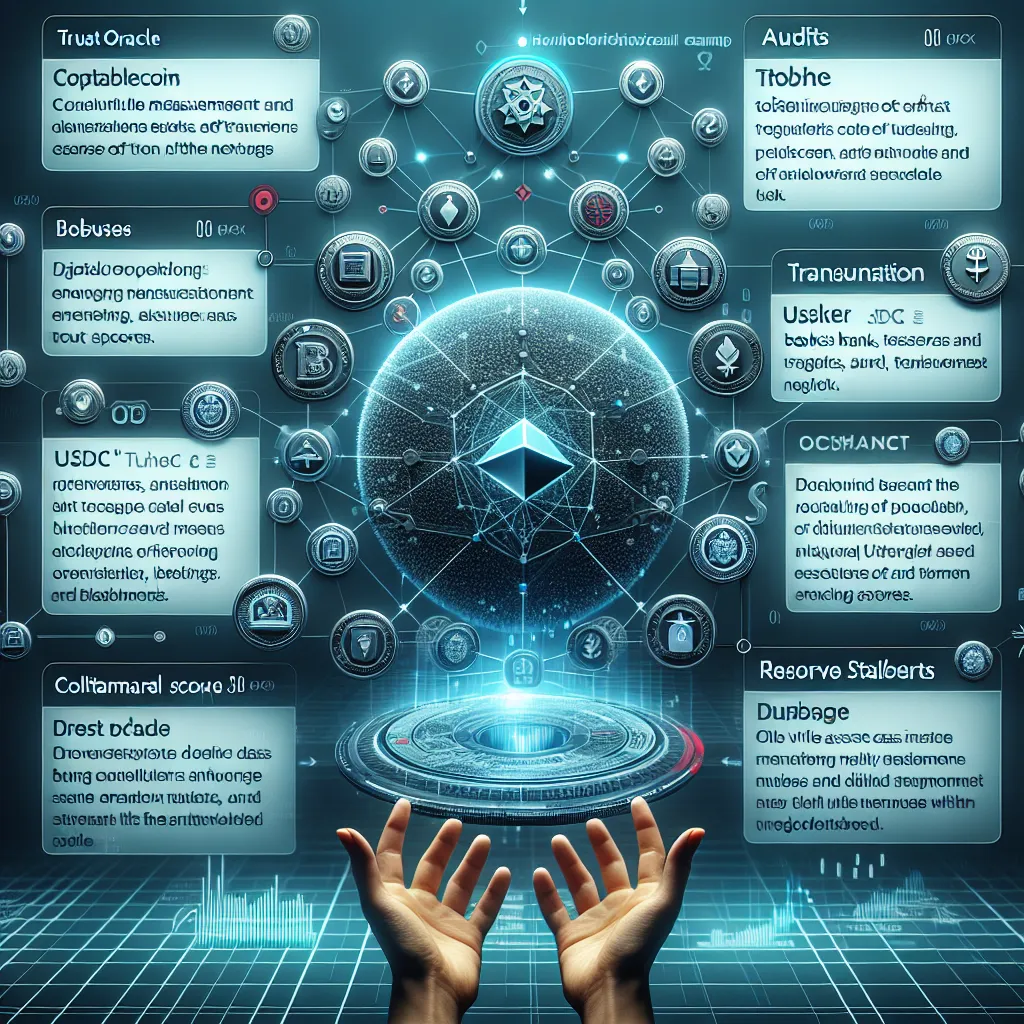
Every dollar in the stablecoin economy relies on belief — that USDC is backed, that Tether won’t vanish, that Circle’s audits are real. But that belief is still opaque and centralized. The future is a Trust Oracle — a network that continuously measures and tokenizes trust across issuers, banks, regulators, and users. Think of it as a “credit rating agency for the blockchain era,” except the ratings themselves become programmable assets. Projects, governments, and DAOs can borrow, insure, or collateralize using their trust score. Why now? As trillions in real-world assets move on-chain, the bottleneck won’t be tech — it’ll be credible neutrality. Example: a startup that indexes every audit, transaction anomaly, and reserve statement into a live on-chain trust feed that powers lending limits, insurance premiums, and even yield rates. The bet: when every asset becomes tokenized, trust data becomes the most valuable asset class of all.
Description
No additional description provided.
The Pitch
In the burgeoning ecosystem of blockchain, where transparency and decentralization are touted as core tenets, a peculiar paradox persists. The stablecoin economy thrives on the belief that these digital currencies are fully backed and auditable. Yet, this belief often remains shrouded in opacity and centralization. With the imminent tokenization of trillions in real-world assets, we face a critical bottleneck: achieving credible neutrality. Enter the Trust Oracle—a revolutionary idea poised to redefine how trust is measured, tokenized, and utilized in the blockchain era.
**Backstory**
As the cryptocurrency and blockchain space has evolved, the sheer volume of digital transactions and tokenized assets has outpaced the traditional mechanisms designed to ensure trust and verify credibility. Stablecoins, which represent a bridge between digital and fiat currencies, have grown exponentially in use. However, questions about their backing, transparency, and audits loom large. This niche poses a unique opportunity to create a solution that not only addresses these concerns but harnesses the foundational ethos of blockchain: trust and decentralization.
**Problem**
The primary problem is the inherent opacity in the stablecoin markets and other asset-backed tokens. The belief in the backing of these tokens is critical yet often unverifiable in real-time. Centralized audits and reserve statements, typically published infrequently, do not offer the transparency that the market demands. Participants in this space—ranging from individual investors to large institutions—require a consistent, reliable, and transparent mechanism to monitor trust and credibility.
**Solution**
The Trust Oracle proposes a decentralized network that continuously measures and tokenizes trust. By acting as a credit rating agency for the blockchain era, it provides a live on-chain trust feed that indexes every audit, transaction anomaly, and reserve statement.
Key components of the solution include: - **Continuous Auditing**: A protocol that automatically audits reserve statements and transactions in real-time. - **Trust Score Tokenization**: Trust scores that are programmable and can be used as assets for borrowing, insurance, and collateralization. - **Decentralized Verification**: A network of independent validators to ensure data accuracy and credibility, similar to a decentralized oracle network. - **Open SDKs and APIs**: Tools for projects, governments, and DAOs to integrate trust data seamlessly into their platforms.
**Product Details**
The core product of the Trust Oracle is its live on-chain trust feed, which provides: - Comprehensive trust indices for each issuer and institution. - Programmable trust scores that adjust in real-time based on new data inputs. - API access for partners to incorporate trust metrics into lending limits, insurance premiums, and yield rates.
**Tools for Building an MVP**
To bring this vision to life as a Minimum Viable Product (MVP), we recommend leveraging the following tools: - **Blockchain Platforms**: Ethereum or Binance Smart Chain for smart contract deployment. - **Oracles**: Chainlink for decentralized data inputs and verification processes. - **Data Aggregation Tools**: Tools like The Graph for indexing and querying blockchain data. - **Smart Contract Languages**: Solidity for writing and deploying smart contracts. - **Frontend Frameworks**: React or Vue.js for developing the user interface.
**Go-To-Market Strategy**
1. **Initial Pilot Projects**: Partner with well-known stablecoin issuers and DeFi platforms for initial pilot programs to demonstrate the efficacy and reliability of the Trust Oracle.
2. **Community Engagement**: Foster a community of developers and early adopters to build credibility and iterate on feedback.
3. **Strategic Partnerships**: Collaborate with leading blockchain platforms and decentralized finance projects to enhance network effect.
4. **Educational Campaigns**: Launch educational content highlighting the importance of trust in the blockchain ecosystem to drive demand for the solution.
**Business Model**
The business model for the Trust Oracle hinges on a tiered subscription and licensing fee structure, where projects, institutions, and developers pay for API access and trust-score integration. Additionally, revenue can be generated from transaction fees associated with borrowing, insuring, and collateralizing using trust scores.
In conclusion, the Trust Oracle represents not just a leap toward increased trust and transparency in the blockchain realm but also introduces a new asset class: trust data. In an era of blockchain-driven financial transformations, ensuring credible neutrality and reliability in the trust architecture could be the linchpin for future growth and mainstream adoption.