Treasure Hunt App: Community-Sourced Metal Detecting Maps
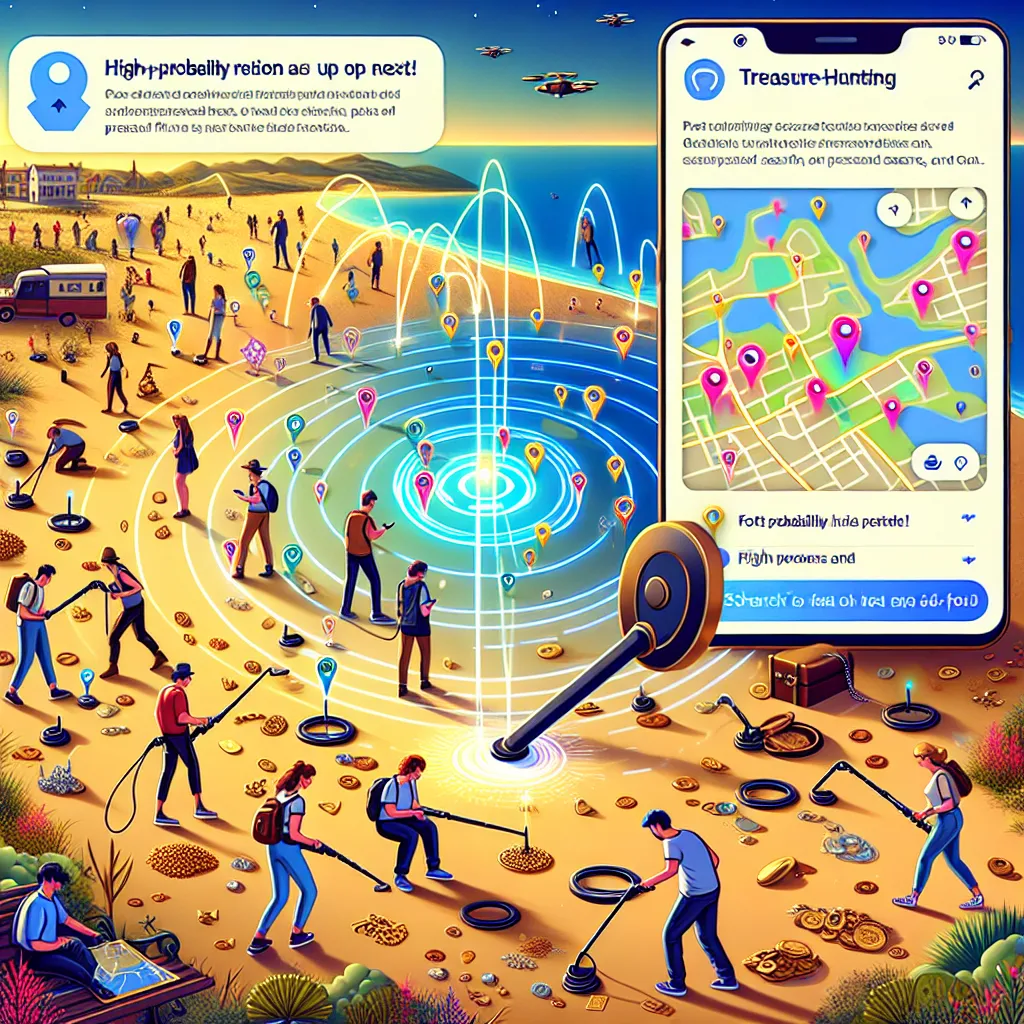
Metal detecting is still mostly blind wandering, which means hobbyists waste hours covering beaches, parks, and fields that may already be picked clean. A better version would turn treasure hunting into a shared data network: a live map where users mark where they’ve already searched, what they found, and where recent “hot zones” are emerging. Over time it becomes a fog-of-war map for the real world, with heat layers based on events, foot traffic, and historical finds. The reason this works now is that location tracking, mobile mapping, and gamified communities are already mainstream, but niche hobbies still lack modern software layers. Imagine getting a ping after a music festival or beach weekend telling you this area has a high probability of lost jewelry and coins.
Description
No additional description provided.
The Pitch
In the world of metal detecting, enthusiasts often spend countless hours scanning beaches, parks, and fields. However, this process is largely inefficient, as many areas may have already been thoroughly searched or may not yield valuable finds. Despite advancements in technology, metal detecting largely remains an isolated and somewhat aimless activity.
### The Problem Metal detecting is characterized by blind wandering and repeated efforts in areas with little to no results. Hobbyists frequently waste time and effort without knowing where others have already searched or where the best potential finds may be. This inefficiency discourages participation and limits the appeal of metal detecting as a hobby.
### The Solution The solution is to build a shared data network that transforms metal detecting into a community-based and data-driven activity. This platform would leverage modern technology to create a live map where users can mark locations they've searched, share their findings, and highlight emerging hot zones where recent finds have occurred. The system would evolve into a dynamic real-world map, integrating data layers such as historical finds, foot traffic, and special events that could correlate with potential treasure deposits.
### Product Details The proposed product is a mobile application and web platform featuring:
1. **Interactive Map**: Users can see a real-time map displaying areas that have been searched, including what has been found in those locations. 2. **Heat Layers**: The map includes heat layers indicating potential hotspots based on user data, historical events, and foot traffic patterns. 3. **Community Engagement**: Users participate by sharing their finds and search locations, earning rewards and recognition through a gamified system. 4. **Event Notifications**: The system notifies users of high-probability areas after events like music festivals or beach weekends. 5. **Data Analytics**: Advanced analytics offer insights into the best times and places for successful detecting.
### Tools for MVP Development To launch this as a Minimum Viable Product (MVP), the following tools could be utilized:
- **Mapping API**: Implement a mapping service like Google Maps or Mapbox to develop the interactive map. - **Location Services**: Use GPS and geofencing technologies to track and display user locations. - **Backend Development**: Leverage cloud services such as AWS or Firebase for secure and scalable data storage. - **Front-end Frameworks**: Use React Native for a cross-platform mobile application and React.js for a responsive web interface. - **Gamification**: Integrate gamification platforms like Kahoot or custom solutions to create engagement and reward systems.
### Go-To-Market Strategy 1. **Community Building**: Begin by targeting existing metal detecting clubs and online forums to build a user base. 2. **Launch Events**: Partner with metal detecting events to do live demonstrations and sign-ups. 3. **Social Media Campaigns**: Utilize platforms like Instagram and Facebook with engaging content to capture interest and share success stories and notable finds. 4. **Partnerships**: Collaborate with metal detector manufacturers and retailers to cross-promote and offer bundled deals.
### Business Model The business model may include a freemium approach, offering basic services for free to encourage widespread adoption, while offering premium features for a subscription fee. Premium features could include advanced analytics, detailed historical data, and customized notifications. Additionally, revenue can be generated through contextual ads, partnerships with tourism boards, and affiliate programs with metal detecting equipment retailers.
In summary, by leveraging existing technologies and creating a communal, data-driven platform, this solution not only modernizes metal detecting but also enhances the hobbyist experience while attracting new participants to the activity.