Transparently Designed Products Reveal True Origins
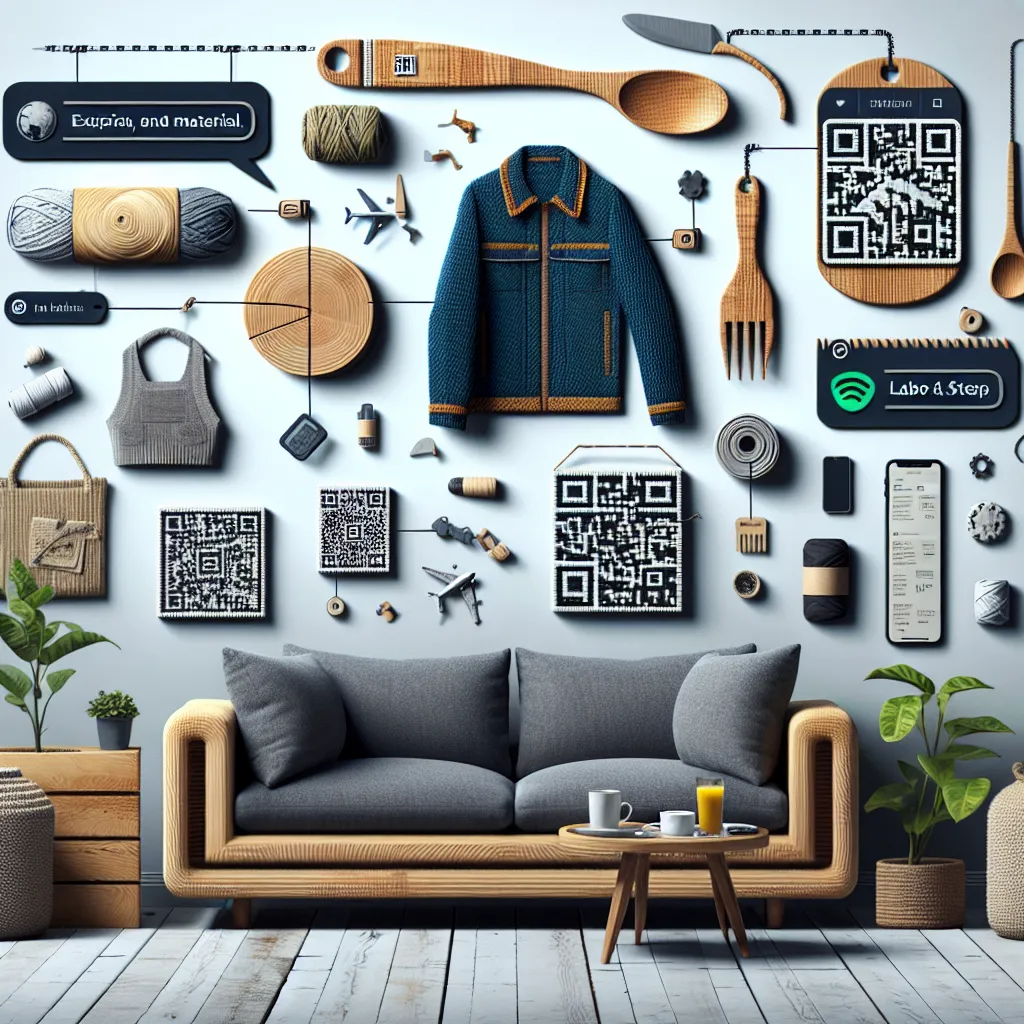
Consumers say they want authenticity, but products rarely show their own story. This startup creates physical goods that visibly reveal their origin and construction through design, not marketing. A jacket with stitching patterns that map the supply chain. A kitchen tool whose material layers expose sourcing and labor steps. Furniture that physically shows where cost went — wood, labor, transport — as part of its form. No QR codes, no apps. The object itself explains itself. In a world flooded with AI-generated branding and fake narratives, trust shifts to things that prove their value through structure. Physical products that teach instead of persuade become credibility machines.
Description
No additional description provided.
The Pitch
In today's consumer-driven world, the demand for authenticity is at an all-time high. People are increasingly skeptical of brands and products that boast authenticity yet fail to provide tangible proof of their origins or true value. This disconnect between consumer expectation and product transparency presents a unique opportunity for a team interested in blending design with genuine storytelling.
Imagine a line of physical products designed to inherently communicate their own stories through their structure and composition. By eschewing traditional marketing tools like QR codes and apps, these products can instead utilize their form and design to reveal their journey from raw material to finished good.
The Problem:
Consumers are inundated with branding and narratives that often mask the true nature and origin of products. This creates a trust gap, where what is marketed does not align with the reality of production and sourcing. In an era of AI-generated branding and synthetic narratives, there is an urgent need for products that can provide transparency and verifiable authenticity without relying on external storytelling.
The Solution:
Create a line of goods that inherently tell their own story — each product designed to reveal its origin, craftsmanship, and journey through its physical form. For example, a jacket might feature stitching patterns that visually map its supply chain. A kitchen tool could display its sourcing and labor steps through layered materials. Furniture might highlight cost distribution across materials, labor, and transport through its physical construction.
Product Details:
1. **Jackets**: Use stitching and fabric patterns to map out the supply chain visually. Each line and detail should offer insights into where it came from and the hands that crafted it.
2. **Kitchen Tools**: Design with visible layers or sections that correspond to different stages of production, from raw material sourcing to the assembly. Each part should be an educational piece on its origin.
3. **Furniture**: Incorporate elements that demonstrate cost breakdowns — show where the majority of expenses went, whether it’s superior wood, craftsmanship, or transport.
Tools for Launching as an MVP:
- **Design Software**: Utilize tools like AutoCAD or SolidWorks for product design and detailed planning.
- **Material Selection**: Source eco-friendly and traceable materials to support the product’s storytelling nature.
- **Prototyping**: Rapid prototyping through 3D printing or small-batch manufacturing to test designs and concepts.
Go-To-Market Strategy:
- **Target Audience Identification**: Focus on consumers who prioritize sustainability, transparency, and authenticity.
- **Direct-to-Consumer Sales**: Launch an online platform that provides both a marketplace and an educational resource about each product's story.
- **Pop-Up Experiences**: Create interactive installations that allow consumers to physically engage with the transparency concept, deepening their understanding and connection to the products.
Business Model:
- **Product Sales**: Generate revenue through direct sales on an e-commerce platform.
- **Subscription Services**: Offer a subscription model for a rotating product selection that educates and engages consumers over time.
- **Partnerships**: Collaborate with ethical brands and artisans to expand offerings and share consumer bases.
In a marketplace oversaturated with synthetic narratives, the opportunity lies in creating a paradigm where products educate rather than persuade. By allowing physical goods to tell their own stories, trust is naturally built through observable authenticity, making these products the ultimate credibility machines.