Transparent Endowment Dashboards: Boosting Trust and Engagement
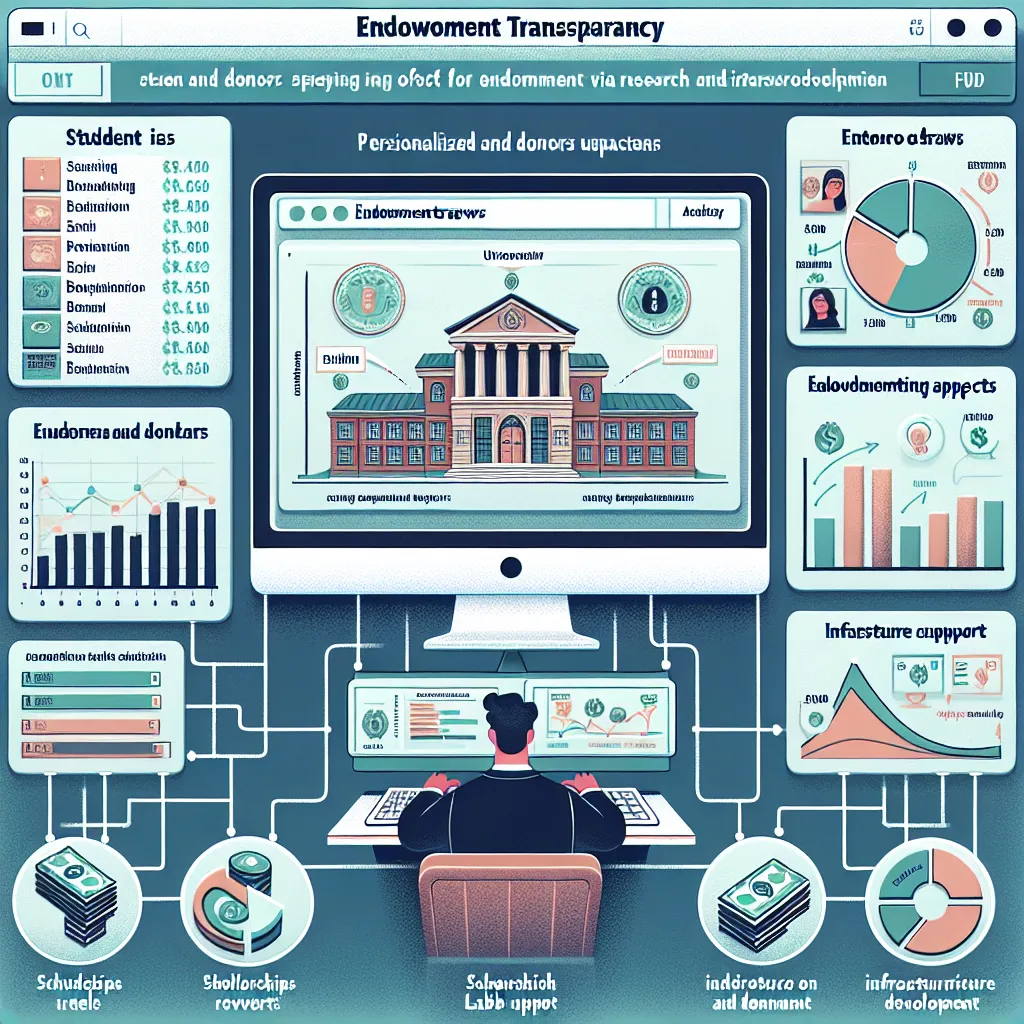
Students and donors have no clear view of where endowment money goes, leading to distrust and disengagement. Universities publish opaque reports or outdated financials. A platform that creates personalized dashboards showing how endowment spending impacts scholarships, research, and facilities could build trust and encourage more giving. Using APIs and financial modeling, students could see how their tuition is offset by endowment draws, and donors could track the outcomes of their gifts. With increasing calls for transparency and impact reporting (especially among Gen Z donors and alumni), a new standard for endowment reporting is overdue. Example: A Bloomberg Terminal for endowments — visualizing where every dollar goes, down to the scholarship or lab it supports.
Description
No additional description provided.
The Pitch
Universities often face challenges in maintaining trust with their stakeholders, particularly students and donors, due to a lack of transparency in endowment spending. Traditional reporting mechanisms are outdated, leading to distrust and disengagement. This proposal outlines the creation of a platform designed to provide clear and personalized dashboards, demonstrating the impact of endowment funds on various university functions like scholarships, research, and facilities.
Background: The issue of transparency in endowment reporting has been a growing concern as educational institutions handle increasingly large sums. Students often struggle to see how their tuition is affected by endowment activities, while donors lack clarity on the impacts of their contributions. Current reports are often opaque, overly complex, or not readily accessible by the average person, resulting in a disconnection between the university and its key constituents.
Problem: Students and donors do not have a clear understanding of where endowment money is being utilized. This lack of visibility undermines trust and can lead to decreased engagement and support for university initiatives. The existing reporting mechanisms are insufficient to meet the demand for real-time insights and a granular understanding of financial flows.
Solution: The proposed solution is a state-of-the-art platform that offers personalized dashboards to stakeholders. By utilizing advanced APIs and financial modeling, the platform will allow students to see how endowment draws can offset tuition costs, while donors are provided with detailed reports about the usage and impact of their contributions. Visualizing data in an engaging and easy-to-understand manner can foster a stronger connection between the university and its community, encouraging continued or even increased giving.
Product Details: 1. Personalized Dashboards: Tailor information for different stakeholders, offering specialized views for students, donors, university staff, and the general public. 2. Real-Time Financial Modelling: Integrate financial data from university systems using APIs, providing up-to-date information on endowment flows. 3. Outcome Tracking: Enable donors to track how their contributions have been used and what specific outcomes their gifts have facilitated. 4. Visualization Tools: Implement interactive charts and graphs to transform complex financial information into actionable insights.
Tools for MVP Launch: - Front-End Development: React or Angular for creating responsive and user-friendly interfaces. - Back-End Development: Node.js or Python (using Django or Flask) for handling API integrations and server-side logic. - Financial Data Integration: Utilize APIs such as Plaid or custom-built solutions to pull data from university financial systems. - Data Visualization: Incorporate libraries like D3.js or Chart.js for building dynamic data visualizations.
Go-To-Market Strategy: 1. Partner with Pilot Universities: Collaborate with a select group of institutions willing to beta test the platform and provide valuable feedback. 2. Engage Stakeholders: Conduct workshops and webinars to demonstrate the platform's capabilities to prospective users. 3. Digital Marketing Campaigns: Utilize social media, targeted ads, and content marketing to build awareness and generate interest. 4. Testimonials and Case Studies: Share success stories from pilot programs to illustrate the platform's benefits.
Business Model: - Subscription-Based: Offer universities tiered subscription plans based on the size of their endowments and the complexity of their reporting needs. - Licensing: Provide an option for institutions to license the platform for internal use, with ongoing support and updates. - Consulting Services: Deliver additional services such as customization or training to enhance platform adoption and utility.
Conclusion: With increasing calls for transparency, particularly among Gen Z donors and alumni, redefining endowment reporting standards is necessary. By creating a sophisticated yet user-friendly platform, universities can build trust, improve stakeholder engagement, and ultimately drive better educational and research outcomes for their communities.