Transforming Podcast Ideas into Interactive Products
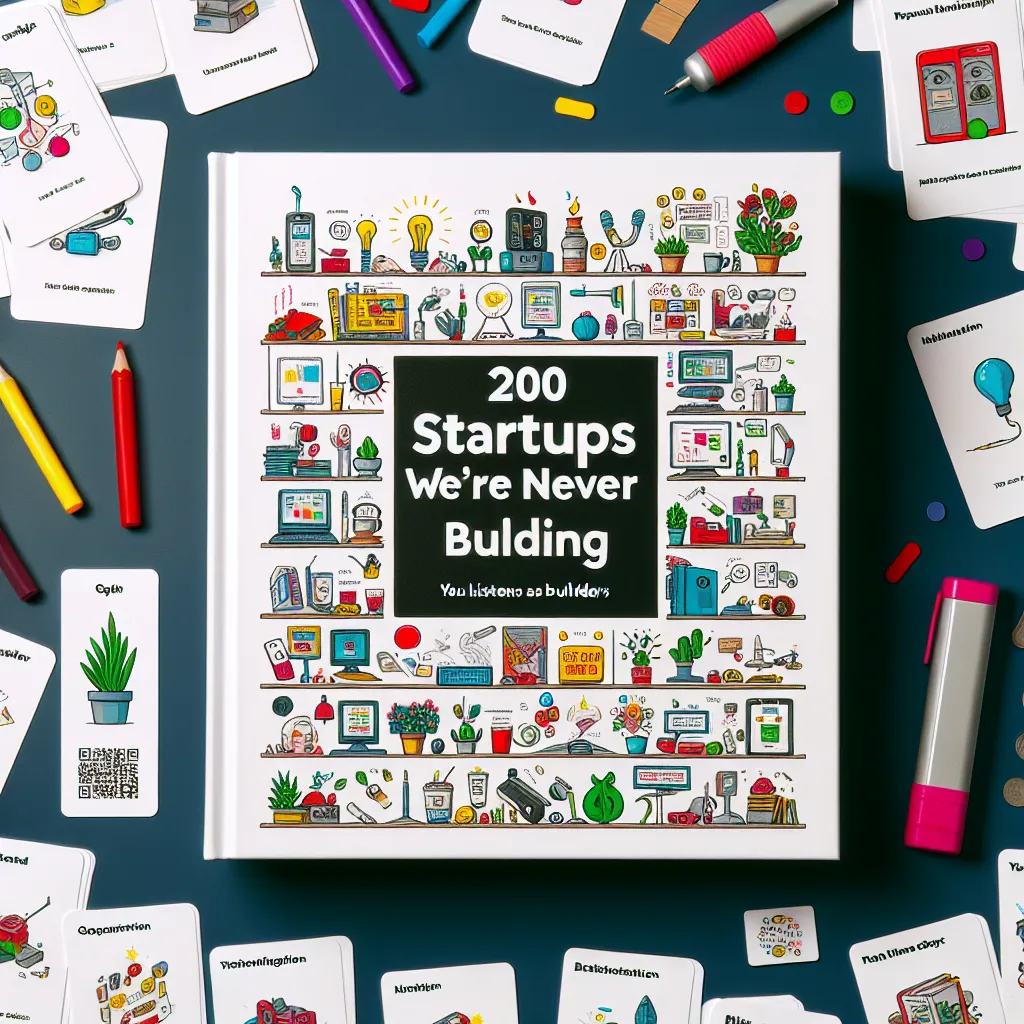
Podcasts produce hundreds of clever ideas that disappear into audio archives no one will revisit. The problem: great concept volume, zero capture or monetization. The solution: package the backlog into playful formats — a coffee-table book of “200 Startups We’re Never Building,” a card game where players pitch improvements, or a community naming contest that turns listeners into co-creators. Example: each idea gets an illustration and a QR code to the episode moment — fans vote on their favorites, remix them, or adopt one to build in real life. The show becomes a product factory — and listeners become the builders.
Description
No additional description provided.
The Pitch
Background: In the rapidly growing world of podcasts, hosts and their audiences engage in dynamic conversations filled with innovative ideas. These spontaneous brainstorms, while entertaining and thought-provoking, tend to fade into the depths of audio archives. Without a tangible way to capture and utilize these concepts, many potentially valuable ideas are lost.
Identifying the Problem: The core issue lies in the transient nature of podcast dialogues. Despite the high volume of innovative thoughts and creative sparks generated during episodes, there is no existing framework to capture, refine, or monetize them. This not only leads to missed opportunities for content creators but also limits audience interaction and participation.
Proposing the Solution: By repackaging these podcast-originated ideas into interactive and shareable formats, creators can breathe new life into their archives. Formats such as a coffee-table book titled 200 Startups We’re Never Building, or an inventive card game where players refine concepts, can transform fleeting ideas into tangible products. Moreover, creating a community engagement platform where listeners contribute by naming and voting on ideas can foster a unique co-creation environment.
Product Details: Each idea from the podcast can be accompanied by a captivating illustration and a QR code linking back to the specific episode moment. This not only encourages audience engagement by allowing fans to vote on their favorites but also opens avenues for them to remix or even adopt an idea to implement in real life. The podcast transitions from merely a source of entertainment to a launchpad for potential startups and community-driven projects.
Tools for Easy MVP Launch: 1. Digital publishing platforms like Blurb for creating and self-publishing the coffee-table book. 2. Platforms such as Kickstarter or Indiegogo for initial funding and gauging public interest. 3. Use of low-code platforms like Bubble or Glide for building a community voting and collaboration app. 4. Print-on-demand services for designing and producing card games.
Go-to-Market Strategy: 1. Leverage social media platforms and existing podcast listenership to build anticipation and awareness. 2. Partner with influential podcast hosts and industry influencers to expand reach. 3. Use email marketing to directly engage subscribers and offer exclusive previews or early access. 4. Host virtual launch events with live discussions, contests, and interactive sessions with hosts.
Business Model: 1. Direct Sales: Generate revenue through book sales, game purchases, and premium app features. 2. Subscription Model: Offer a subscription for exclusive content, early access to ideas, or community voting rights. 3. Licensing and Partnerships: Collaborate with publishers and game manufacturers for wider distribution. 4. Crowdsourced Ideas: Monetize audience-generated improvements or spin-offs by offering a share of profits or incentives.
By systematically capturing and transforming podcast-generated ideas into playful and interactive formats, creators not only harness the full potential of their content but also engage their audiences as active participants in the creative process. This strategy not only amplifies the reach of podcasts but also creates opportunities for ongoing innovation and community involvement.