Transforming Obsolete Parking into Urban Real Estate
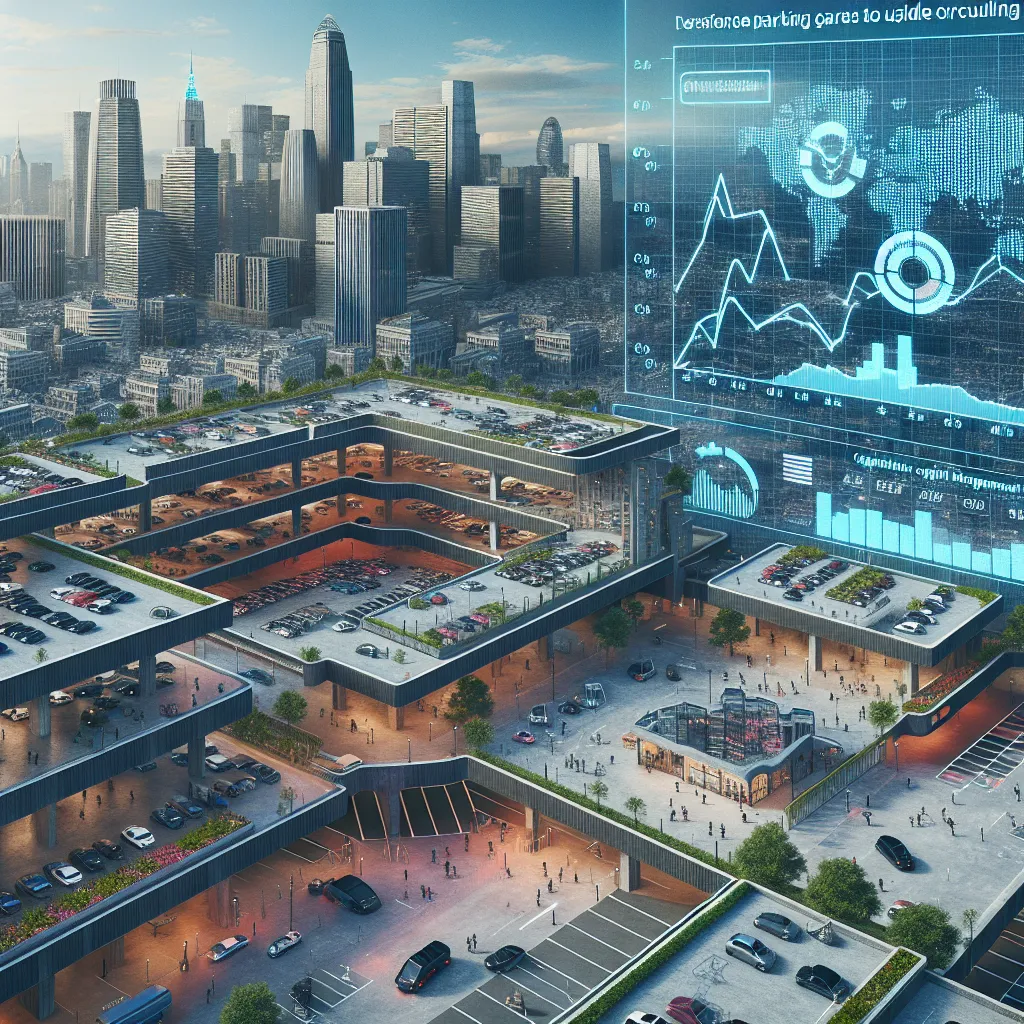
Parking garages and lots will become ghost infrastructure. Parkless acquires and converts obsolete parking assets into high-yield urban real estate: housing, micro-warehouses, charging hubs, or event spaces. It uses fleet data to identify zones where parking demand is collapsing fastest and deploys capital accordingly. Investors buy into the REIT; cities get revitalized land; property owners offload stranded assets. The shift from cars that sit to cars that circulate will unlock billions in underutilized square footage — Parkless is the first fund built to capture that.
Description
No additional description provided.
The Pitch
With the rapid evolution of transportation technology, parking garages and lots are increasingly becoming underutilized and even obsolete. The surge in ride-sharing, autonomous vehicles, and public transportation has drastically reduced the demand for traditional parking spaces. This shift presents a unique opportunity to repurpose these spaces into valuable urban real estate. Enter Parkless, a visionary initiative that aims to acquire and convert these obsolete parking assets into high-yield urban spaces such as housing, micro-warehouses, charging hubs, and event spaces.
Backstory
The urban infrastructure landscape is poised for transformation. As cities evolve, the need for spaces that cater to the changing lifestyles and technologies of urban dwellers has become apparent. Parking lots that once served as vital enablers of city mobility now stand as ghost infrastructure, occupying prime real estate that could be better used. Parkless was born from the need to address these emerging trends, envisioning a future where underutilized parking spaces are revitalized to meet the needs of modern urban environments.
Problem
The main challenge facing cities is the oversupply of parking spaces. As the demand for parking declines, these structures become economically unviable, creating stranded assets that generate little to no value for stakeholders. In addition, they occupy crucial urban space that could be transformed into much-needed housing, commercial areas, or community spaces. Cities and property owners are left grappling with the question of how to repurpose these spaces effectively.
Solution
Parkless provides an innovative solution by identifying and acquiring underutilized parking assets and transforming them into high-yield urban real estate. By leveraging fleet data and predictive analytics, Parkless identifies zones where parking demand is collapsing, directing investment to these areas accordingly. The initiative not only benefits investors through a strategic Real Estate Investment Trust (REIT) but also revitalizes urban areas, offering cities and property owners a lucrative path to offload stranded assets and foster economic growth.
Product Details
Parkless focuses on:
1. Data-Driven Acquisition: Utilizing fleet data analytics to pinpoint areas with declining parking demand. 2. Strategic Conversion: Transforming parking facilities into diverse urban spaces such as residential units, micro-warehouses, charging stations, and event venues. 3. REIT Structure: Allowing investors to participate in a fund dedicated to urban revitalization. 4. Collaborative Urban Development: Partnering with local governments and communities to ensure developments meet the needs of urban residents.
Tools for Easy MVP Launch
- Fleet Analytics Platforms: Use these to gather and analyze data on declining parking demand. - Real Estate Management Software: Streamline property acquisition and conversion processes. - Financial Modeling Tools: Develop a robust financial model to attract and retain investors. - Project Management Software: Coordinate and manage the conversion projects efficiently.
Go-To-Market Strategy
1. Partnerships with Cities: Collaborate with city governments to identify and prioritize obsolete parking infrastructures for conversion. 2. Engagement with Investors: Market the REIT as a forward-thinking investment in urban revitalization. 3. Community Involvement: Engage local communities in the development process to ensure projects reflect the needs and desires of residents. 4. Strategic Marketing: Highlight success stories and projected benefits through various media channels to attract stakeholders.
Business Model
Parkless operates as a REIT, enabling investors to engage with urban real estate transformation. Revenue is generated through:
- Acquisition and lease or sale of converted properties. - Management fees from overseeing the REIT. - Value appreciation of transformed urban spaces.
Conclusion
Parkless stands at the forefront of urban transformation, harnessing the potential of underutilized parking structures to rejuvenate city landscapes. By focusing on data-driven insights and strategic partnerships, Parkless not only offers a solution to a growing urban problem but also creates value for cities, property owners, and investors alike.