Transformative Branding Through Story-Driven Worldbuilding
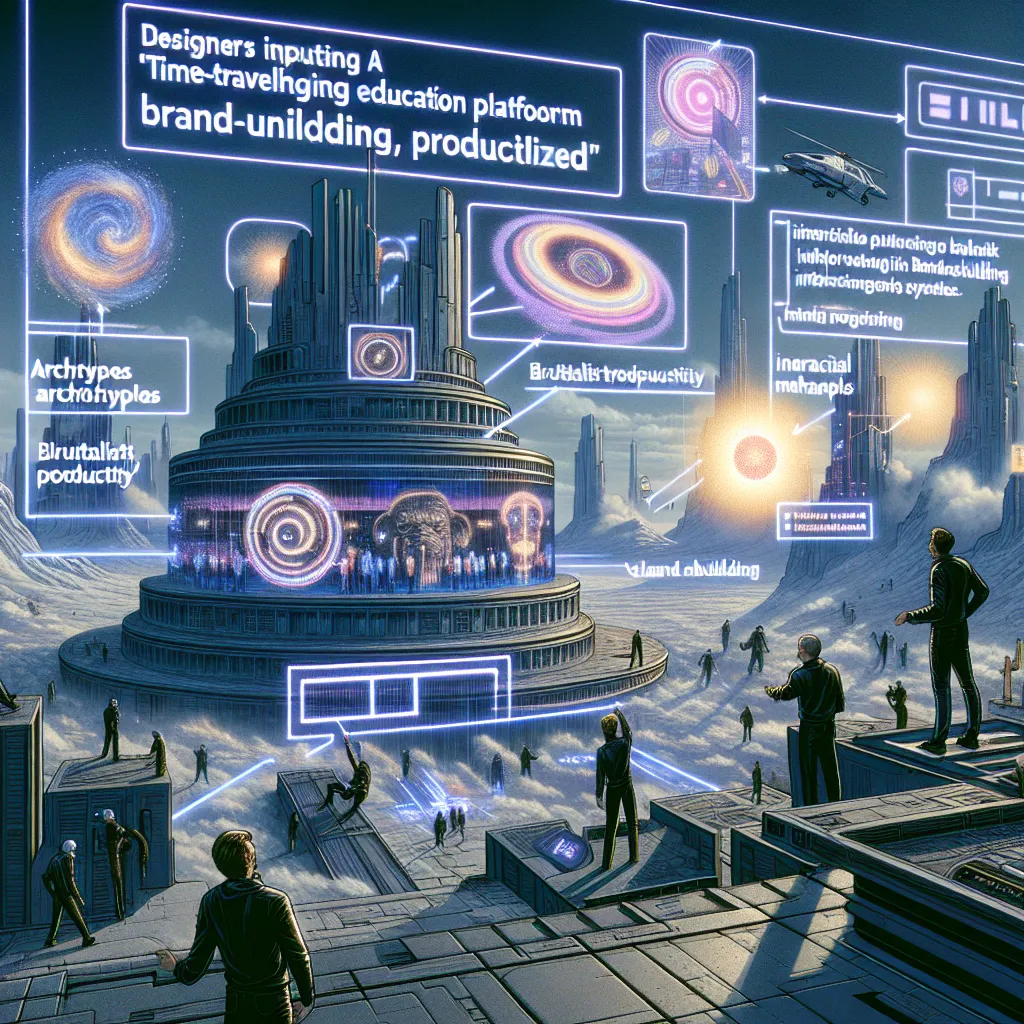
Most brand tools generate logos and templates. But today’s standout companies are immersive—more like worlds than brands. Think Liquid Death, Notion, Duolingo. The problem? Most founders and designers don’t have the tools to build these cohesive universes. This system lets a designer input a narrative seed—“a time-traveling education platform,” or “a brutalist productivity cult”—and outputs a full story-driven brand system. It includes archetypes, tone, micro-copy, visual language, motion style, and interaction metaphors—all consistent with the narrative. YC said “taste and quality are the foundation of trust”—but in saturated markets, trust now comes from storytelling. With large vision models and synthetic brand personas, designers can now prototype not just identity, but myth. Imagine launching a financial app that feels like a rebellious underground bank—with onboarding flows, button copy, and illustrations all pulled from the same narrative DNA. Branding becomes worldbuilding—finally productized.
Description
No additional description provided.
The Pitch
In today's competitive market, traditional branding tools that generate logos and templates are no longer sufficient. Successful brands are increasingly those that create immersive experiences for their customers, resembling complete worlds rather than just brands. Companies like Liquid Death, Notion, and Duolingo exemplify this approach, establishing cohesive brand universes that engage and captivate their audience. However, many founders and designers struggle to build these multidimensional brand experiences due to a lack of appropriate tools.
The Problem
The primary challenge for designers and founders is the absence of a comprehensive system that allows for the creation of story-driven brand environments. Most existing tools focus solely on visual identity, neglecting the narrative and thematic elements that contribute to a cohesive brand story. In saturated markets, trust and consumer loyalty stem increasingly from strong storytelling that resonates with users on a deeper level. Without the right tools, brands risk becoming mere commodities, lacking differentiation and emotional impact.
The Solution
Our system bridges this gap by enabling designers to input a narrative seed—such as a time-traveling education platform or a brutalist productivity cult—and receive an entire story-driven brand system. This solution leverages advanced vision models and synthetic personas to craft a brand experience that includes:
1. Archetypes: Characters and personas that embody the brand's narrative. 2. Tone: Consistent voice and language style across all communications. 3. Micro-copy: Engaging snippets of text that capture brand essence. 4. Visual language: An aesthetic framework that reflects the brand's story. 5. Motion style: Animation and interactions that align with narrative themes. 6. Interaction metaphors: Intuitive design elements that tell the brand's story.
Product Details
The platform offers an intuitive user interface where designers can easily input their story concepts. Using AI-driven algorithms, the system processes these inputs to generate a cohesive brand universe. Key features include:
- Narrative Seed Input: Start with a basic concept and watch it transform into a detailed brand narrative. - AI-Powered Design: Utilize large vision models to automate the creation of brand assets. - Dynamic Brand Adjustments: Make real-time edits and see instant changes across the brand system. - Export Functionality: Seamlessly integrate with other design tools and platforms.
Tools for Easy MVP Launch
To successfully launch this product as a Minimum Viable Product (MVP), consider using the following tools:
1. No-Code Platforms: Utilize tools like Bubble or Webflow to quickly build a front-end interface. 2. AI Integration: Incorporate AI capabilities through frameworks such as TensorFlow or PyTorch. 3. Data Management: Use Firebase or MongoDB for reliable and scalable database solutions. 4. Collaboration Platforms: Leverage Slack or Trello for effective team communication and project management.
Go-to-Market Strategy (GTM)
1. Identify Early Adopters: Target innovative founders and designers willing to experiment with new branding techniques. 2. Content Marketing: Publish articles and case studies showcasing the power of narrative-driven branding. 3. Partnerships: Collaborate with design agencies and creative platforms to extend reach and credibility. 4. Freemium Model: Offer a basic version of the tool for free, with premium features available through subscription. 5. Webinars and Workshops: Conduct live sessions to educate potential users about the benefits and application of the platform.
Business Model
The platform will operate on a subscription-based model, with tiered pricing to cater to different business needs. Plans could include:
1. Basic Plan: Access to core features with limited customization options. 2. Pro Plan: Advanced customization, priority support, and enhanced AI capabilities. 3. Enterprise Plan: Tailored solutions for large organizations, including dedicated account management and bespoke integrations.
By transforming branding into worldbuilding, this system empowers businesses to create compelling, narrative-driven brand experiences that resonate deeply with their audiences. Embracing storytelling as the foundation of branding not only differentiates a company in the crowded market but also builds long-lasting relationships with customers.