Transform Vacant Stores into Community Fitness Hubs
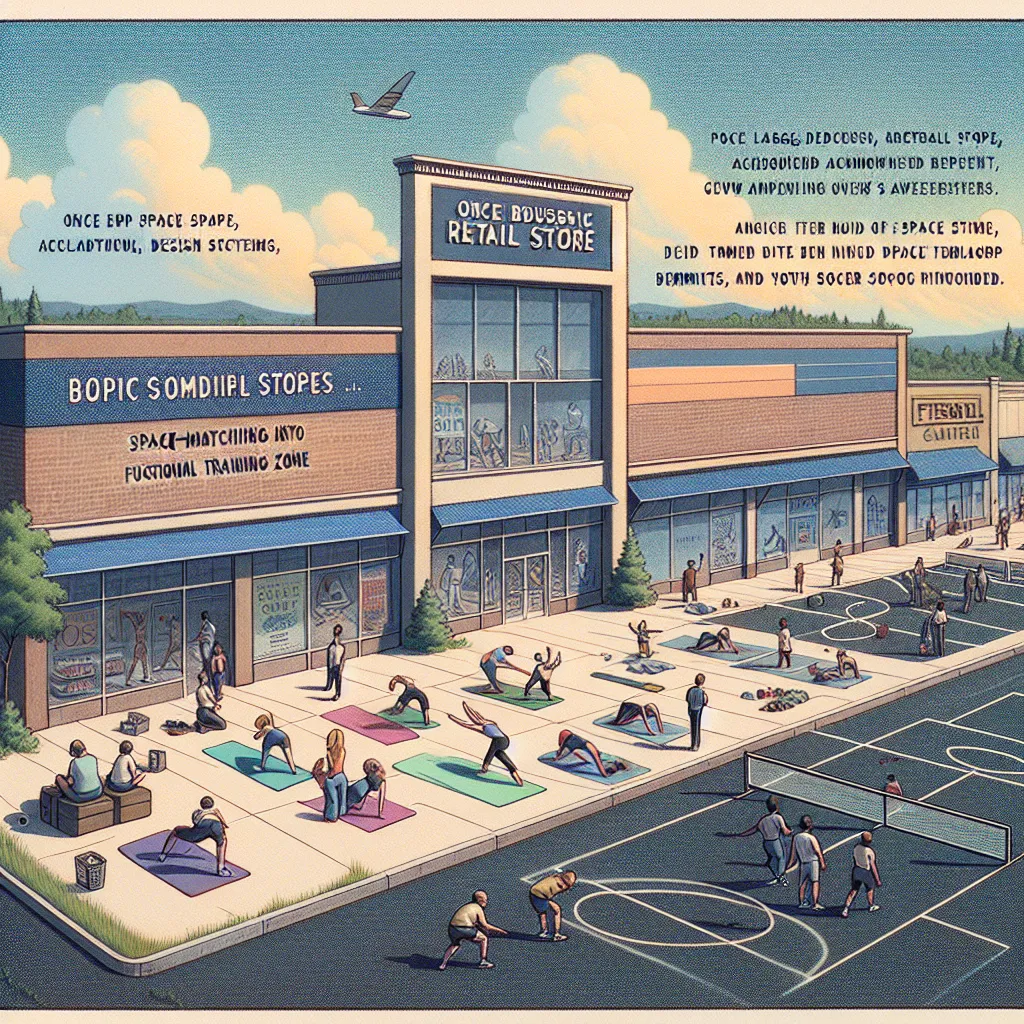
Suburban retail spaces are going dark as big-box stores close, but they sit in prime, accessible locations. At the same time, many communities lack local spaces for fitness, recreation, or after-school programs. This idea creates a turnkey system to convert empty stores into pop-up gyms, mini courts, or wellness centers. A backend platform handles space matching, design templates, permits, and booking systems. The report notes rising demand for in-person fitness and community activation. In one example, a vacant Payless ShoeSource in a strip mall could be turned into a functional training zone over a weekend, hosting yoga classes in the morning and youth soccer drills in the afternoon—funded through memberships, sponsors, or city grants.
Description
No additional description provided.
The Pitch
In recent years, numerous suburban retail spaces have been vacated due to the closing of big-box stores. These locations, while dormant, are situated in accessible and desirable areas within communities. The underutilization of these spaces presents a challenge, as they could otherwise serve as valuable community assets. Concurrently, many communities face a shortage of local facilities for fitness, recreational activities, and after-school programs. This gap signifies a missed opportunity for fostering healthier, more connected neighborhoods.
**Proposed Solution:**
The initiative seeks to revitalize these empty retail spaces by converting them into flexible fitness and wellness centers. By creating a turnkey system, the project aims to transform unused areas into functional pop-up gyms, mini sports courts, or wellness centers with minimal effort and investment. This solution leverages the existing infrastructure of retail spaces, providing communities with easily accessible venues for physical activities and social interaction.
**Product Details:**
1. **Space Conversion Toolkit:** - Design templates tailored for various fitness and recreational setups, allowing rapid transformation. - Guidance on necessary installations and modifications to existing structures. - A set of modular equipment that can be adapted for different activities.
2. **Backend Platform:** - A robust system for matching vacant spaces to potential uses based on community needs. - Integrated tools for managing necessary permits and legal requirements. - Booking and scheduling services to facilitate seamless management of the converted spaces.
3. **Operational Model:** - Potential activities could include yoga classes, youth sports drills, dance workshops, etc. - Flexibility to host single events or recurring programs.
**Tools for MVP Launch:**
- Utilize online platforms like Shopify or WordPress for creating a digital presence. - Deploy booking systems such as Calendly or Appointlet for scheduling and managing events. - Use digital design tools like SketchUp or Canva for developing space layout templates. - Leverage marketing services such as Mailchimp for outreach and community engagement.
**Go-to-Market Strategy (GTM):**
1. **Community Engagement:** - Partner with local community groups, schools, and fitness instructors to align offerings with local demand. - Organize open days or launch events to generate interest and gather feedback.
2. **Partnership Development:** - Collaborate with city councils or redevelopment agencies to identify suitable locations and secure financial support. - Engage local businesses and sponsors to fund the initiative and offer promotional opportunities.
3. **Digital Marketing:** - Implement a targeted digital marketing campaign to raise awareness through social media platforms and local online forums. - Develop content showcasing success stories and community benefits to attract attention and involvement.
**Business Model:**
The revenue model could be diverse, with options such as:
- Membership fees: Offer subscription packages for individuals or families. - Event-based pricing: Charge for single or series events. - Sponsorship: Engage local businesses to sponsor specific programs or space refurbishments. - Grants and public funding: Secure city or state grants aimed at community development and health promotion.
By addressing the dual challenges of vacant retail spaces and insufficient community fitness infrastructure, this initiative promises not only to reinvigorate local economies but also to enhance the health and well-being of residents.