Transform Screen Time Into Active Play SDK
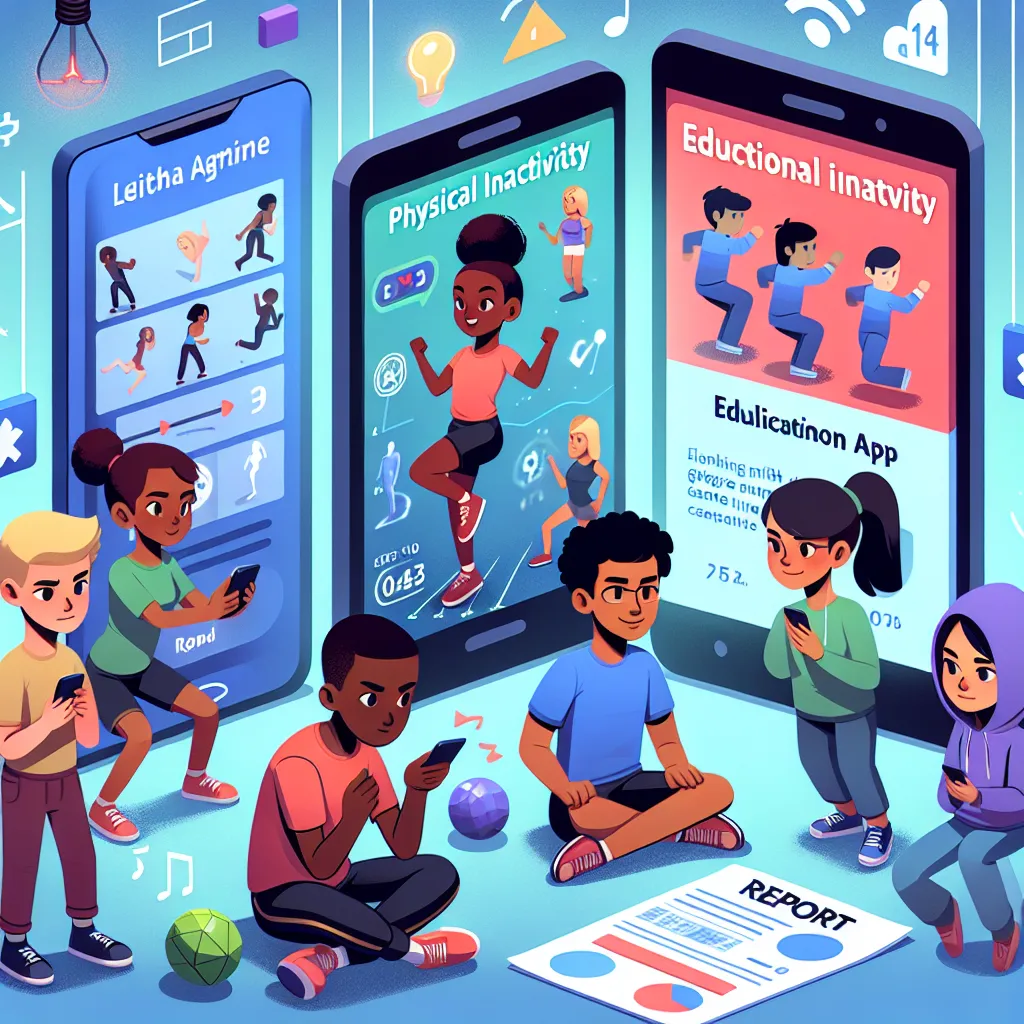
Youth physical inactivity has reached crisis levels, with 81% of adolescents not meeting recommended activity levels. Yet kids spend hours daily inside apps and games. This SDK helps developers turn passive screen time into active engagement by integrating movement-based challenges—like squats to unlock a level or dance moves to power up a character. Using sensors, wearables, or the phone camera, it logs movement and rewards activity. The report highlights how youth inactivity poses a long-term threat and that engagement must meet kids where they already are. For example, an educational math app could use the SDK to require light physical movement during breaks, encouraging 15 minutes of activity a day while improving retention and cognitive health.
Description
No additional description provided.
The Pitch
In recent years, youth physical inactivity has escalated to alarming levels, with statistics indicating that a staggering 81 percent of adolescents are not meeting the recommended activity levels. This trend has significant implications for both individual health and broader public health concerns. Meanwhile, screen time among young people continues to rise, dominated by apps and games that often encourage prolonged sedentary behavior. This dual trend presents a pressing challenge that calls for innovative solutions.
**The Problem**
The primary issue at hand is the increasing prevalence of physical inactivity among young people, coupled with their sustained engagement in digital media that seldom promotes physical movement. This sedentary lifestyle poses a long-term threat, potentially leading to a myriad of health problems such as obesity, cardiovascular issues, and impaired mental well-being. Traditional methods of encouraging physical activity often fail to resonate with youth, as they do not integrate seamlessly into their technology-driven lifestyles.
**The Solution**
To address this problem, a novel approach is proposed: the development of a Software Development Kit (SDK) tailored for app developers. This SDK aims to transform passive screen time into active engagement by introducing movement-based challenges within apps and games. By leveraging technology that young people are already familiar with, such as mobile devices and wearables, this solution aligns with their existing digital habits.
**Product Details**
The SDK allows developers to integrate various movement-based challenges into their applications. For instance, within a gaming environment, users might be required to perform squats to unlock a new level or execute dance moves to power up their characters. In educational settings, an app could incorporate short physical activities during breaks—such as jumping jacks or stretching exercises—to stimulate both the mind and body. Using sensors, wearables, or the phone’s camera, the SDK tracks and records physical activity, rewarding users for their participation and progress.
**Tools for Easy Launch**
To facilitate the development and deployment of this MVP (Minimum Viable Product), a suite of development tools and resources will be made available. These might include:
1. Comprehensive documentation and tutorials to guide developers through the integration process. 2. A library of predefined movement challenges that can be easily customized. 3. Analytics tools to monitor user engagement and activity levels, providing insights into the effectiveness of the integrated challenges. 4. A community forum for developers to share ideas, troubleshoot issues, and collaborate on innovative uses of the SDK.
**Go-to-Market Strategy**
The Go-to-Market (GTM) strategy for this SDK will focus on penetrating both the gaming and educational app markets. Key elements of the strategy include:
1. Partnerships with leading app developers in the gaming and educational sectors to showcase successful case studies and outcomes. 2. Participation in technology and educational conferences to demonstrate the SDK's potential and foster industry connections. 3. Targeted marketing campaigns aimed at developers, emphasizing the ease of integration and the opportunity to enhance user engagement and health outcomes.
**Business Model**
The business model for the SDK may include a combination of the following:
1. Licensing fees for access to the SDK, tailored to the scale and nature of the application it is being integrated into. 2. Subscription-based pricing for ongoing access to updates, technical support, and advanced analytics features. 3. Revenue-sharing models with app developers, enabling a mutually beneficial relationship as the SDK directly contributes to the app's success in user engagement and retention.
By addressing the critical issue of youth physical inactivity through innovative technology solutions, this SDK aims to create a bridge between digital engagement and physical health, ultimately fostering healthier habits among young users.