Transform Idle Warehouses into AI Data Centers
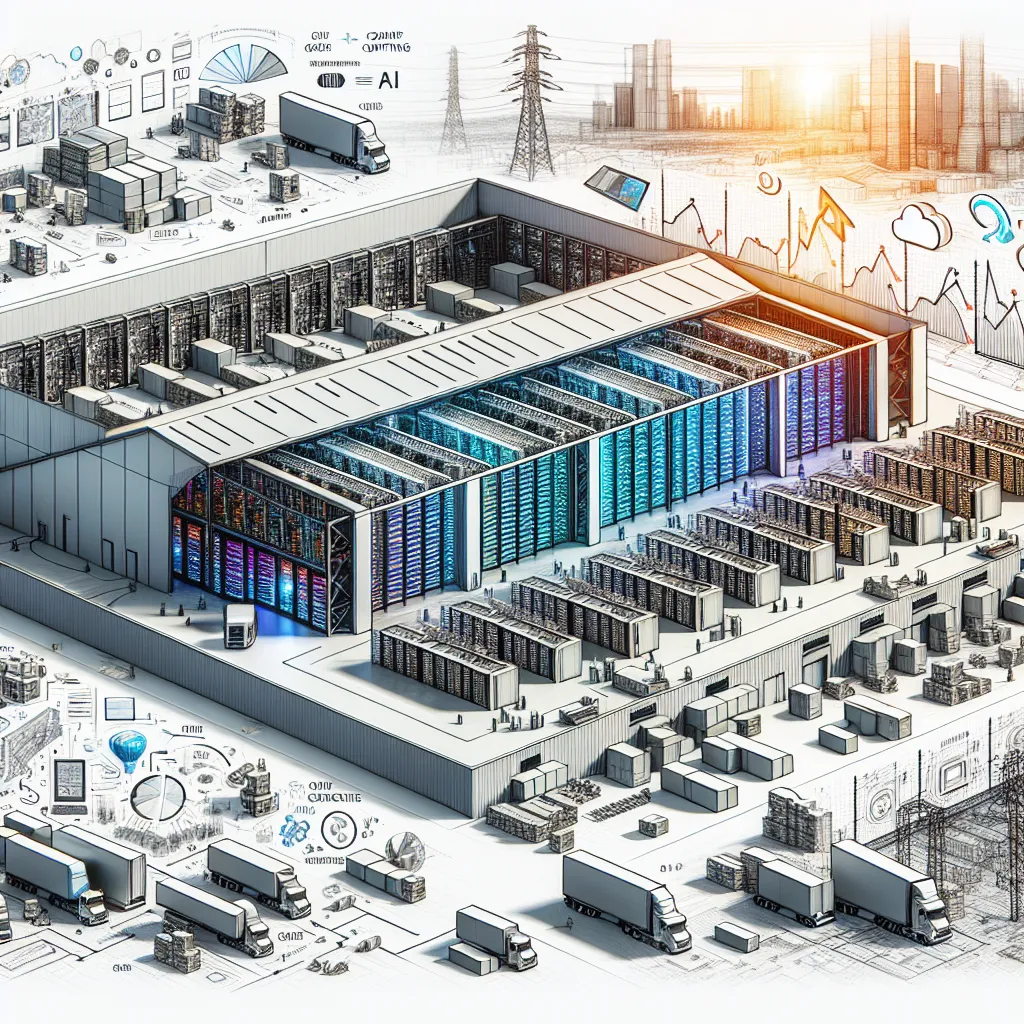
The problem is warehouses are sitting idle, becoming liabilities instead of assets. At the same time, the world is starving for compute and AI training infrastructure. Data centers can’t be built fast enough because of zoning, power constraints, and high construction costs. The solution: retrofit vacant warehouses into modular, energy-efficient micro data centers that can be spun up and down like cloud storage — essentially turning excess industrial real estate into an elastic layer of “programmable warehouses.” With modular cooling, prefabricated server racks, and AI-optimized energy loads, these spaces could flip overnight from wasted square footage to income-generating compute farms. The trend is clear — AI demand for compute is growing exponentially, while industrial real estate is softening for the first time in 15 years. An example is how Amazon converted excess malls into distribution hubs; this goes further, transforming empty shells into the physical substrate of the AI economy. Whoever cracks this first builds the bridge between two trillion-dollar markets: industrial real estate and cloud computing.
Description
No additional description provided.
The Pitch
In recent years, a curious juxtaposition has emerged in the realms of industrial real estate and computing infrastructure. Warehouses across the globe are increasingly sitting idle, rapidly transforming from assets into liabilities due to dwindling demand for traditional storage. Simultaneously, there's an insatiable global hunger for computational power and AI training infrastructure that existing data centers cannot fulfill. The limitations of current data center setups—hampered by zoning restrictions, power supply constraints, and steep construction costs—further exacerbate the issue.
This situation presents a distinct opportunity: transforming vacant warehouses into modular, energy-efficient micro data centers. By reimagining these spaces as dynamic, cloud-like storage solutions, we can unlock their potential as elastic, programmable assets. Such facilities could be operationalized with modular cooling systems, prefabricated server racks, and AI-driven energy optimization technologies, allowing them to pivot overnight from underutilized spaces into lucrative compute farms.
The timing for this transformation is propitious. We are witnessing an unprecedented surge in AI's computational demands, just as the industrial real estate sector experiences its first significant slowdown in fifteen years. This mirrors historical innovations, like Amazon’s conversion of excess retail space into logistical centers, and takes the concept one step further. By turning dormant structures into the foundational infrastructure of the burgeoning AI economy, we bridge the gap between two massive industries: industrial real estate and cloud computing.
For those keen on pioneering this niche, starting with a Minimum Viable Product involves leveraging agile methodologies and focusing on scalability. Key steps include:
1. **Assessing Warehouse Viability**: Identify potential warehouse sites close to power and data grids. 2. **Modular System Design**: Develop prefabricated components for rapid deployment and scaling. 3. **Energy Optimization Solutions**: Integrate AI-driven systems to manage and optimize energy consumption dynamically. 4. **Partnerships**: Collaborate with technology and real estate firms to accelerate development and deployment.
There are several existing tools and platforms conducive to launching this MVP. Cloud-based architectural design software can facilitate modular design planning. Emerging IoT technologies offer solutions for monitoring and managing energy usage. Furthermore, AI and machine learning tools come into play for optimizing server loads and energy efficiency.
To successfully bring this concept to market, a well-defined go-to-market strategy is essential. Begin by targeting tech companies, research institutions, and startups that require scalable compute power. Develop strategic partnerships with real estate firms to access infrastructure and negotiate favorable lease terms. Employ an inbound marketing approach to educate potential clients about the benefits of programmable warehouses through content marketing, webinars, and case studies.
The business model revolves around leasing out computational space and services on a subscription or pay-per-use basis, similar to existing cloud service providers but with the added advantage of dedicated physical infrastructure. Revenue streams might also include consulting services for custom configurations or on-site support, and alliances with AI companies for bespoke platforms.
Entrepreneurs who succeed in this endeavor will not only innovate within a lucrative market but will also contribute to reshaping how industrial spaces and technology infrastructure are perceived and utilized in an ever-evolving economic landscape.