Transform Free Finds into Profitable Furniture Flips
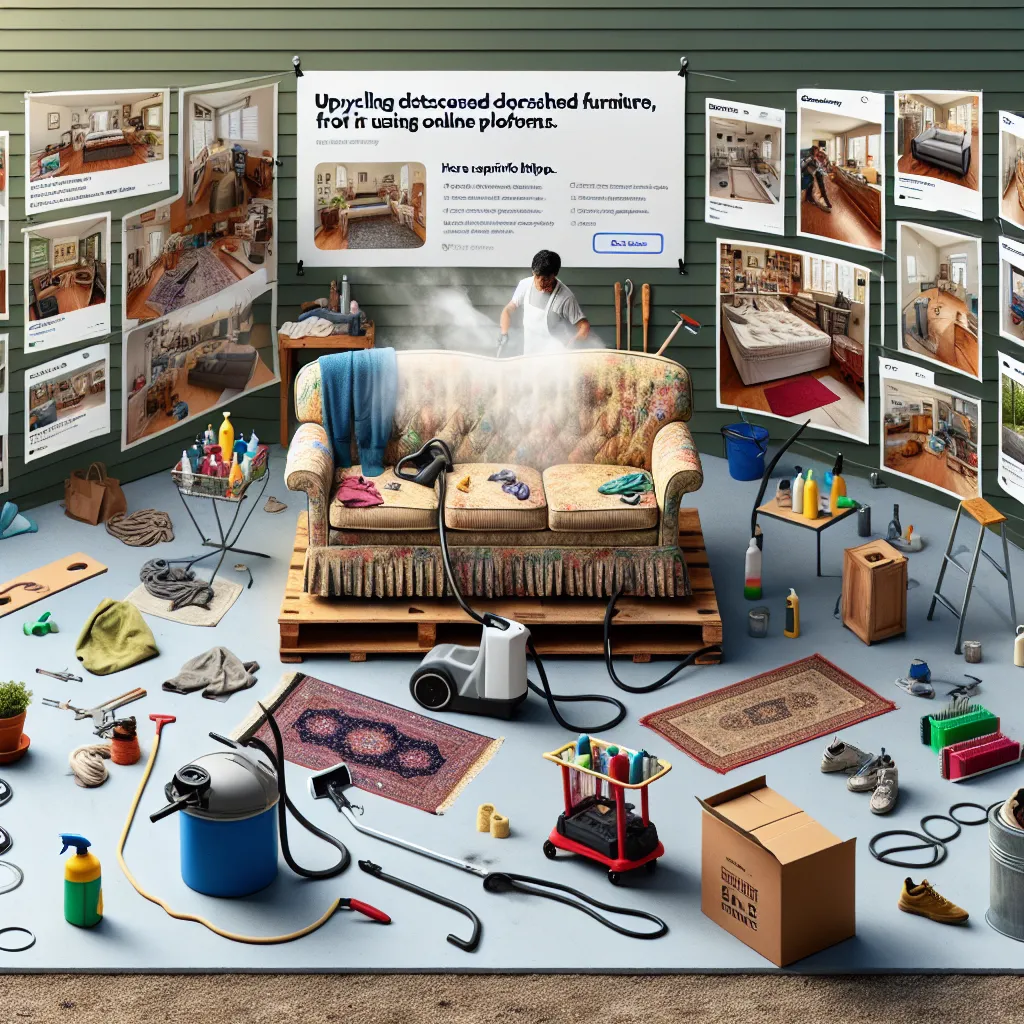
People underestimate the value of “junk” given away online. A platform could train users to pick up free furniture—like couches—from places like Facebook Marketplace, clean and re-stage them, and resell locally for profit. “We have a member…who picks up free couches, cleans them, and resells them.” Example: A user grabs a duct-taped free couch, steam-cleans it, takes high-quality photos, and sells it for $200 the next day. With no cost besides time and effort, it’s the ideal starter hustle for someone with a garage and a few cleaning tools. The network could include cleaning tutorials, optimized photo guides, and flipping case studies, making it easy for anyone—even teenagers or retirees—to generate consistent income using overlooked local resources.
Description
No additional description provided.
The Pitch
In the digital age, the concept of trash to treasure has taken on a new dimension. The rise of online marketplaces has made it easier than ever to find items people no longer want, and among these are countless pieces of furniture and goods with untapped potential. This opportunity is especially ripe for individuals seeking a simple and low-cost way to earn extra income.
Backstory: The Inspiration Behind the Concept
A growing number of people have discovered the profitability in flipping free items posted online. Individuals can often find quality furniture, such as couches, that are being given away because the owners are either moving or looking to declutter quickly. This concept is inspired by resourceful individuals who have developed side hustles by picking up free items, refurbishing them, and reselling them at a profit. The idea is to capitalize on underappreciated resources while offering an accessible business model for anyone willing to invest time and effort.
Problem: The Gap in Know-How and Accessibility
Despite the availability of free items, many people do not know how to take advantage of these opportunities. There's a lack of accessible, organized information on how to effectively clean, repair, and beautify these goods for resale. Additionally, many potential entrepreneurs might not feel confident in their ability to market and sell these items beyond their immediate network.
Solution: Empowering a New Wave of Entrepreneurs
A dedicated platform can address these gaps through education and community support, offering tutorials on cleaning methods, guides to taking high-quality photographs for listings, and success stories from seasoned flippers. This platform would streamline the learning process, making it accessible even to beginners such as teenagers and retirees.
Product Details: Building the Platform
The platform will feature several key components
1. Tutorials and Guides: Detailed instructions on cleaning techniques, minor repairs, and staging furniture to increase its appeal. 2. Photography and Marketing Tips: Best practices for photographing items and writing compelling listings to attract buyers. 3. Community Forum: A space for users to share experiences, ask questions, and offer advice. 4. Success Stories: Articles and videos highlighting successful flips, offering inspiration and guidance. 5. Resources for Tools and Supplies: Recommendations for affordable cleaning products and tools, with links to purchase.
Tools for Launching an MVP
To create a minimum viable product, consider using no-code development platforms such as Webflow or Wix to quickly build and iterate on the platform's design. Online community tools like Discord or Slack can facilitate the forum aspect. Using social media platforms can also be an initial way to build a community and gain user feedback before a full launch.
GTM Strategy: Gaining Traction
1. Leverage Social Media: Utilize platforms like Instagram, TikTok, and YouTube to showcase before-and-after stories, drawing attention to the platform and its users' successes. 2. Partnerships: Collaborate with influencers in the DIY, frugality, or home decor spaces to reach a wider audience. 3. Local Focus: Begin in specific regions to create case studies, utilizing targeted ads to attract local users. 4. Workshops: Host virtual or in-person workshops to introduce people to the concept and hands-on techniques.
Business Model
The platform could operate on a freemium model. Basic content would be available for free, encouraging community growth and broad participation. Premium content, such as in-depth courses or personalized advice, could be offered through a subscription. Additionally, affiliate partnerships for cleaning tools and photography equipment could provide a secondary revenue stream.
By recognizing the profitability in what others discard and offering structured support, this platform empowers individuals to turn potential waste into financial opportunity, fostering an entrepreneurial spirit and contributing to sustainable consumption practices.