Transdermal Biologics for Veterinary Chronic Care
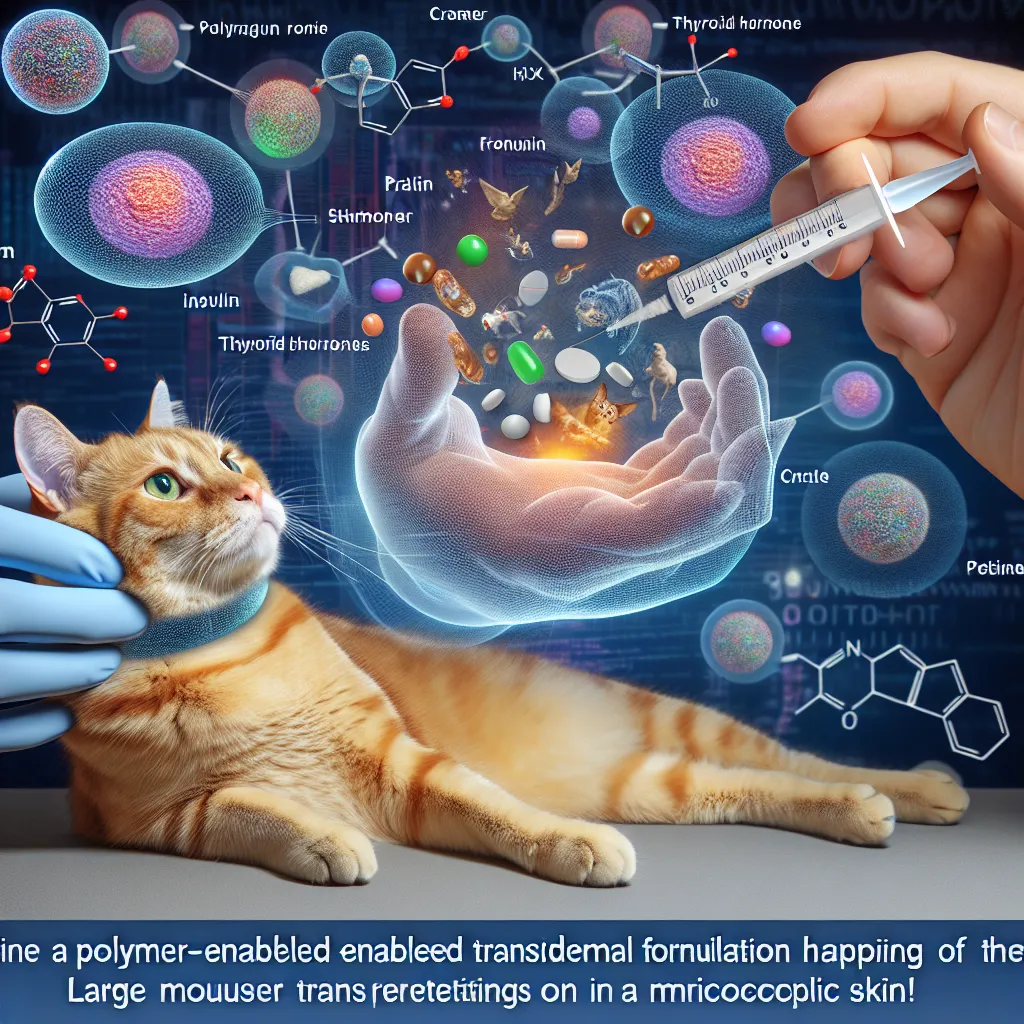
Animals—especially cats—are notoriously resistant to injections, making chronic disease management nearly impossible for owners. With polymer-enabled skin transport validated in humans, a startup could create species-specific transdermal formulations for insulin, thyroid hormones, pain-control peptides, and other biologics used in veterinary care. Vets already use limited transdermal gels for small molecules; this extends it to proteins and peptides. The “why now” is the scientific breakthrough showing large biologics can penetrate mammalian skin. A cat with diabetes could receive insulin via a daily ear-tip cream instead of stressful injections, improving outcomes and reducing abandonment.
Description
No additional description provided.
The Pitch
Managing chronic diseases in animals, particularly cats, can be challenging due to their resistance to injections. This difficulty often leads to inadequate disease management and increased stress for both pets and their owners. Advances in pharmaceutical science now offer a promising new solution: species-specific transdermal formulations. Utilizing polymer-enabled skin transport technology, it's now possible to deliver large biologics, like insulin and other essential hormones, through the skin effectively.
Backstory
For years, veterinarians and pet owners have struggled with medicating cats, especially when it involves injections. Cats are known for their independence and strong dislike for anything that disrupts their routine, making them particularly resistant to invasive procedures. Many pet owners find it distressing to administer injections, affecting their consistency in managing their pet's condition. Limited options exist, with only small molecules available in transdermal gel form, which is not sufficient for many chronic conditions requiring proteins or peptides.
Problem
There is a significant gap in the market for a convenient, non-invasive method to administer essential biologics to pets, especially for chronic disease management. Traditional methods involving injections cause stress and discomfort for animals and owners alike, often leading to poor compliance and, in severe cases, abandonment of the pet. This is particularly noticeable in feline diabetes management where daily insulin injections are necessary.
Solution
The solution lies in developing species-specific transdermal formulations that incorporate polymer-enabled skin transport. This technology allows larger biologics such as insulin, thyroid hormones, and pain-control peptides to penetrate animal skin efficiently. By creating a simple, daily-use ear-tip cream or similar application method, we can transform the way chronic diseases are managed in pets, significantly improving treatment adherence and outcomes.
Product Details
The proposed product line would include easy-to-apply creams or gels for various chronic conditions common in pets. Product development would focus on:
1. Transdermal Insulin: A daily application for diabetic cats to replace injections. 2. Thyroid Hormone Gels: For managing feline and canine hyper- or hypothyroidism. 3. Pain-Control Peptides: Targeted formulations to aid pets suffering from chronic pain conditions.
Tools for Easy Launch
1. Research Partnerships: Collaborate with veterinary schools and research institutions for animal trials. 2. Regulatory Guidance: Consulting with veterinarians familiar with pharmaceutical regulations for approval processes. 3. Formulation Kits: Identify and collaborate with pharmaceutical and biotech companies for formulation expertise. 4. Testing Platforms: Partner with labs equipped to validate skin permeability and bioavailability.
Go-To-Market Strategy
1. Veterinary Collaborations: Initially, work with veterinary clinics and pet hospitals to roll out the product to ensure professional endorsement. 2. Awareness Campaigns: Educate through seminars, webinars, and pet health magazines about the benefits of non-invasive treatment options. 3. Direct-to-Consumer Channels: Online sales through a dedicated platform with a focus on educational content. 4. Influencer Marketing: Partner with pet influencers and veterinary experts for credibility and broader reach.
Business Model
1. Subscription Service: Offer monthly subscription plans for chronic condition management to ensure steady revenue. 2. Product Bundling: Combine related treatments for comprehensive care packages. 3. Licensing and Partnerships: Partner with established pet care brands for expanded distribution. 4. Veterinary Incentives: Provide clinics with special incentives for recommending the products, ensuring ongoing professional endorsement.
By leveraging recent scientific advancements, this venture can reshuffle the paradigm of chronic disease management in pets, ushering in a more empathetic, effective approach that aligns with the needs of both animals and their owners.