TouchAI: Quantifying Clinical Touch for Diagnosis
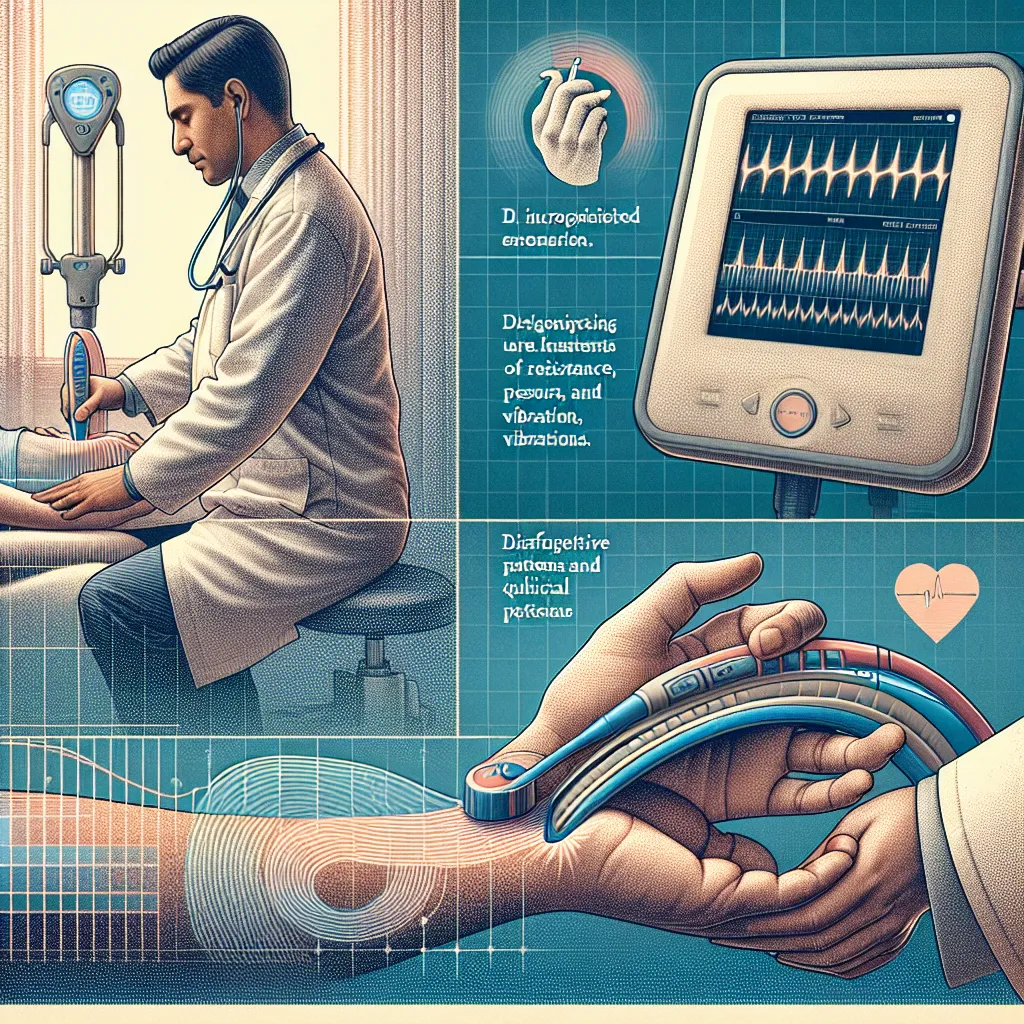
Doctors rely on touch for diagnosis, yet palpation is entirely subjective and unrecorded. Neuromorphic skin makes it possible to quantify touch — pressure patterns, resistance, vibration response — with clinical precision. TouchAI would offer diagnostic tools that “feel” patients the way expert clinicians do, but produce measurable data. Why now: healthcare needs earlier detection with fewer specialists, and tactile sensing is finally digitizable. Example: a handheld device that detects early nerve damage in diabetic patients before symptoms are obvious.
Description
No additional description provided.
The Pitch
In the medical field, the sense of touch is fundamental to diagnosis. Clinicians have long relied on palpation to assess a patient’s condition, feeling for abnormalities in tissue, nerves, and organs. However, this method is inherently subjective, relying heavily on a practitioner's experience and skill. It also lacks a standardized form of recording, making it difficult to share insights and outcomes universally.
The pressing need for precision in medical diagnostics is more crucial than ever. With a growing demand for early detection of diseases, especially in an aging population, and a shortage of specialists to meet this demand, the healthcare industry is in urgent need of innovative solutions. Fortunately, advancements in sensory technology, specifically in neuromorphic skin, have reached a point where they can significantly transform how medical diagnostics are performed.
Problem Statement:
The current reliance on subjective touch for diagnostic purposes has significant limitations. It does not provide quantifiable data, thus posing challenges in consistency, accuracy, and the ability for collaborative treatment planning. This can lead to delayed diagnoses and subsequent treatment, particularly for conditions that require early intervention, such as nerve damage in diabetic patients.
Proposed Solution:
Introducing a technology called TouchAI, which integrates neuromorphic skin that captures tactile data with clinical precision. This technology emulates the way experienced clinicians use their sense of touch, but it enhances this human capability with advanced sensors that can detect and quantify variables such as pressure patterns, resistance, and vibration response.
Product Details:
TouchAI is envisioned as a compact, handheld device that medical professionals can easily incorporate into their everyday practice. The device would use sensors embedded in neuromorphic skin to capture detailed tactile information from a patient. This data would then be processed by TouchAI's intelligent algorithms to generate actionable insights and diagnostic recommendations in real-time.
Key Features:
1. **Precision and Consistency**: Provides objective and repeatable readings. 2. **Early Detection**: Capable of identifying conditions like nerve damage before symptoms become apparent. 3. **Data Integration**: Offers seamless integration with existing electronic health records for comprehensive patient monitoring. 4. **User-Friendly Interface**: Designed for ease-of-use by medical practitioners with any level of technical skill.
Tools and Technology for MVP Launch:
To quickly develop and evaluate a Minimum Viable Product (MVP), a combination of off-the-shelf sensors, AI algorithms, and cloud computing options can be utilized. Key components would include:
- Neuromorphic sensors: Available from companies specializing in tactile sensors. - AI Algorithm Libraries: Use open-source AI platforms to develop and train the diagnostic algorithms. - Integration Platforms: Cloud-based services for data processing and storage. - Development Kits: Rapid prototyping tools for creating the device interface and user experience.
GTM Strategy:
1. **Target Market**: Focus initially on high-impact use cases such as diabetes management and early detection of neuropathy. 2. **Partnerships**: Collaborate with healthcare providers, clinics, and medical institutions to pilot the technology. 3. **Awareness Campaigns**: Engage with medical symposiums and conferences for product demonstrations and expert endorsements. 4. **Regulatory Approval**: Address necessary certifications and regulatory compliances early to ensure smooth market entry.
Business Model:
TouchAI would adopt a subscription-based model providing the device and ongoing software updates. Additional revenue streams could include data analytics services, integration with third-party health applications, and premium support packages.
Conclusion:
The TouchAI device presents a groundbreaking opportunity to equip healthcare professionals with tools that not only capture the nuances of touch but do so with measurable, objective data. By reducing the subjectivity in diagnosis, TouchAI can enhance the precision of medical evaluations, support early intervention strategies, and ultimately improve patient outcomes in a scalable and sustainable manner.