Tool to Protect Student Athletes from Online Harassment
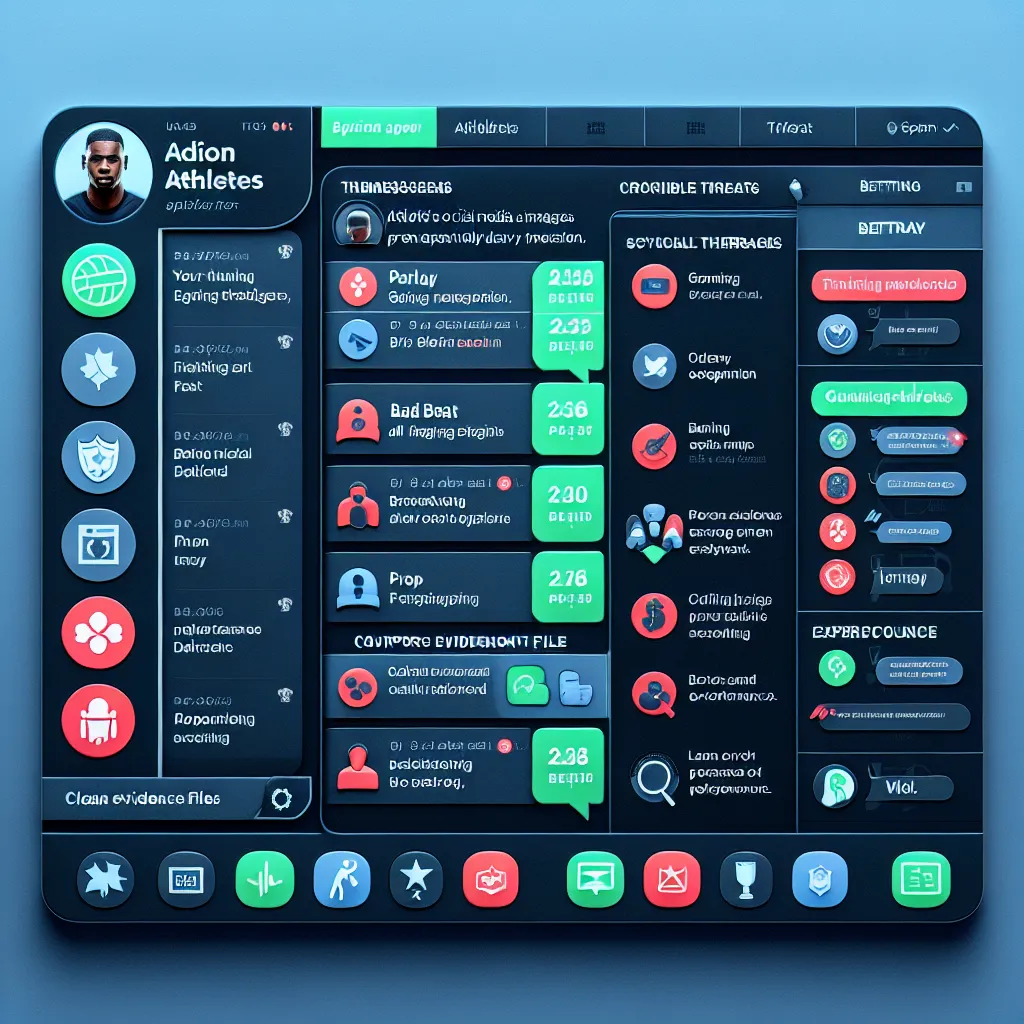
Walk into a college or pro athlete's Instagram DMs an hour after a close loss and you find a wall of voice notes and threats from grown men who lost their parlay because the kid got nine rebounds instead of eleven. The athletes' inboxes are unusable, their families are scared, and the schools' compliance teams are tracking it with screenshots in a spreadsheet. A tool that hooks into the athlete's social accounts, filters gambling-fueled harassment using a model trained on the actual language (parlay, prop, bad beat, the exact stat lines that trigger it), routes credible threats to a vetted security partner, and exports clean evidence files for police and platforms would replace work that is currently nobody's job. Sports betting is now legal in 38 states, NIL collectives put 18-year-olds in the same crosshairs as pros, and the NCAA started funding athlete-abuse monitoring during March Madness in 2024. Sell into the student-athlete welfare offices at SEC and Big Ten programs first.
Description
No additional description provided.
The Pitch
In the increasingly interconnected world of social media, college and professional athletes often find themselves at the receiving end of abusive messages, particularly when their performance affects sports betting outcomes. With sports betting now legalized in 38 states, and the rise of NIL (Name, Image, Likeness) opportunities putting young athletes in the spotlight, the issue has only intensified. This harassment can range from minor annoyances to serious threats, overwhelming athletes, alarming their families, and burdening compliance teams who currently lack an efficient system to handle these situations.
Problem:
The current situation is untenable for athletes, their families, and the institutions that are responsible for their welfare. Athletes’ social media accounts become inundated with threatening messages from bettors upset over lost wagers. These messages compromise the athletes' mental well-being, raise safety concerns, and create a chaotic environment that is hard to manage. Compliance teams, who are often tasked with monitoring and documenting these incidents, struggle with limited tools and resources, resorting to manual documentation via screenshots and spreadsheets.
Solution:
The solution lies in developing an integrated tool designed specifically to combat gambling-related harassment directed at athletes. This tool would automatically connect with athletes' social media accounts, utilizing advanced language models to identify and filter messages that are indicative of betting-related abuse. It would be capable of distinguishing credible threats and routing them to a trusted security partner for further investigation and action. Additionally, the tool would compile evidence files in a structured format, facilitating reporting to law enforcement and social media platforms when necessary.
Product Details:
- Social Media Integration: Direct connection to popular social media platforms for real-time monitoring.
- Advanced Language Processing: A sophisticated model trained on keywords and phrases commonly associated with gambling abuse (e.g., parlay, bad beat, stat lines) to accurately filter and identify problematic messages.
- Threat Assessment and Routing: Automated detection of credible threats with immediate notification to security partners for rapid response.
- Evidence Compilation: Generation of organized, easily exportable evidence files that can be used for official reporting.
- Compliance Dashboard: A user-friendly interface for compliance teams to monitor, track, and manage harassment incidents, improving upon the current manual processes.
Tools for MVP Launch:
- Language Processing: Utilizing NLP frameworks like spaCy or Google's BERT to train the harassment detection model.
- Social Media APIs: Leveraging APIs from platforms like Twitter, Instagram, and Facebook for seamless account integration.
- Cloud Services: Using AWS or Google Cloud for scalable infrastructure and data storage.
- Security Partnerships: Collaborating with security experts to validate and handle credible threats.
Go-to-Market Strategy:
- Target Audience: Initiate by selling the solution to student-athlete welfare offices at large athletic programs, like those in the SEC and Big Ten.
- Strategic Partnerships: Form alliances with athlete advocacy groups, NIL collectives, and security firms to broaden network and trust.
- Pilot Programs: Implement pilot programs during high-risk periods, such as March Madness, to demonstrate efficacy and gather testimonials.
- Educational Outreach: Conduct workshops and seminars at universities to raise awareness about digital harassment and the benefits of the solution.
Business Model:
- Subscription-Based Pricing: Offer a tiered subscription model based on the size of the athletic program and the number of athletes covered.
- Enterprise Licensing: Provide an enterprise option for large institutions or conferences seeking comprehensive coverage.
- Freemium Trial: Offer a limited-time trial to encourage adoption and demonstrate the tool’s value.
By addressing the escalating problem of sports betting-driven harassment with a dedicated, high-tech solution, institutions can better protect their athletes, preserve the integrity of their programs, and foster a safer online environment.