Tokenizing Economic Impact from Major Events
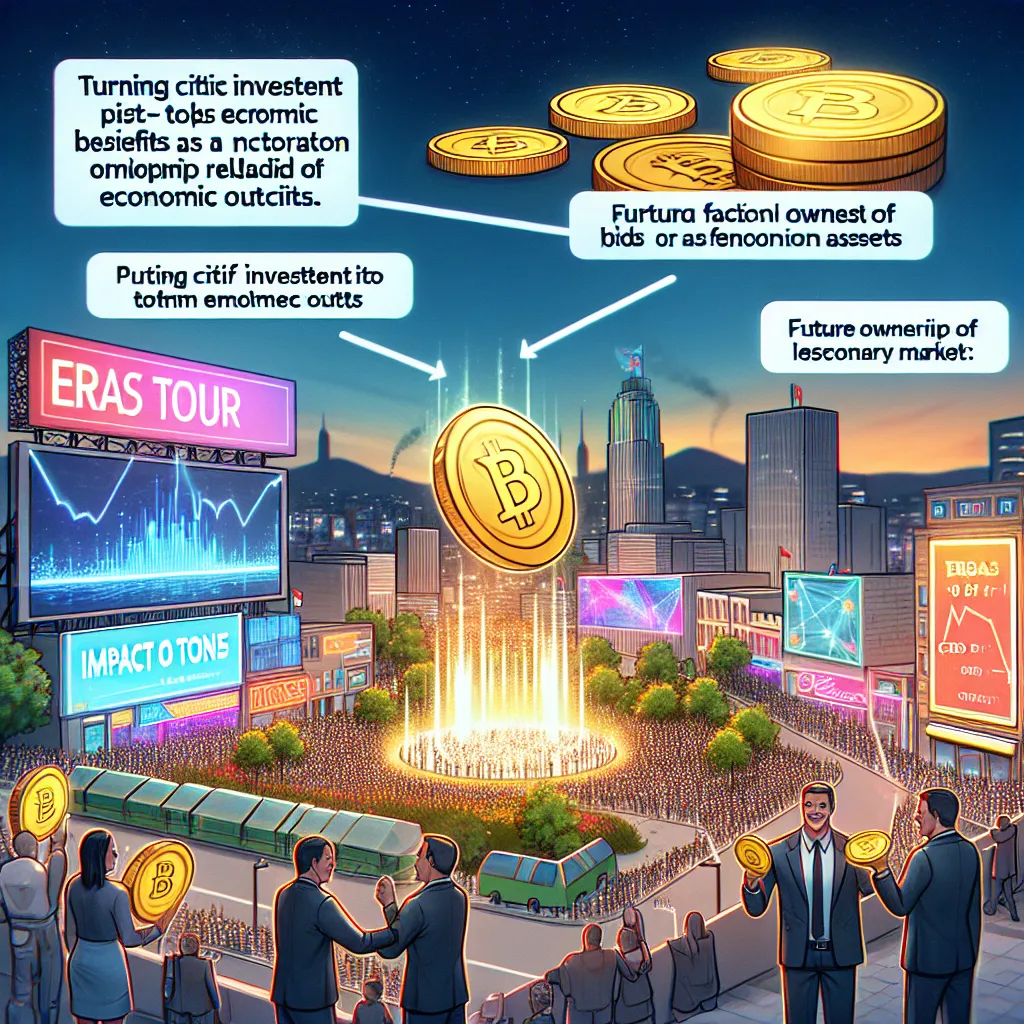
Cities invest heavily to host major tours but gain no lasting financial benefit or proof of success beyond temporary GDP boosts. Solution: tokenize post-tour economic impact — cities earn tradable “Impact Tokens” based on spending uplift during the event, usable to offset costs or sell to investors. Why now? Cities compete fiercely for mega-events; blockchain tech now enables fractional ownership of economic outputs. These tokens turn civic investment into longer-term assets. Example: Hosting the Eras Tour earns Nashville “Swift GDP Tokens,” redeemable for discounts on future tour hosting bids or sold on secondary markets.
Description
No additional description provided.
The Pitch
Cities around the world heavily invest in hosting major events, such as music tours and sports tournaments, with the hope of boosting local economies and gaining international recognition. Despite the significant spending, these cities often see only short-term economic gains and have no concrete, lasting proof of success. This initiative proposes an innovative solution by leveraging blockchain technology to create a system of economic impact tokenization. This concept, Impact Tokens, enables cities to transform their short-lived economic boosts into sustainable assets.
Backstory
Municipal governments globally are engaged in intense competition to host mega-events that offer the promise of increased tourism, job creation, and enhanced city profile. However, post-event analyses typically highlight a lack of sustained financial and civic benefits. While these events temporarily increase GDP and local spending, this effect is ephemeral, and cities are left facing the costs incurred during preparation and execution.
Problem
The primary issue lies in the transient nature of economic benefits derived from hosting major events. Cities invest substantial amounts of money and resources with little to no quantifiable long-term financial returns. Furthermore, without tangible proof of success, cities struggle to justify such investments to stakeholders and residents. This limits their ability to strategically plan or invest in future events, ultimately placing them at a disadvantage in the competitive mega-event market.
Solution
Introducing Impact Tokens—a blockchain-based solution that tokenizes the economic uplift generated during major events. After a city hosts an event, the economic impact (measured by increased spending, GDP growth, etc.) is converted into tradable tokens. These tokens represent a share in the post-event economic uplift and provide cities with several options:
1. Offset future event costs: Cities can redeem Impact Tokens for discounts or rebates on future hosting bids. 2. Secondary market sales: Cities can sell tokens to investors, generating additional revenue and increasing liquidity.
Product Details
1. Token Creation: The economic impact generated by an event is calculated and verified using advanced data analytics and blockchain technology. This impact is then translated into a certain number of Impact Tokens.
2. Token Management Platform: A secure, user-friendly platform where cities can manage their tokens. The platform offers a dashboard with analytics tools to track token valuation and market trends.
3. Marketplace for Impact Tokens: An integrated marketplace allowing cities to buy, sell, or trade tokens, providing flexibility and monetization options.
Tools for MVP Launch
1. Blockchain Framework: Utilize platforms like Ethereum or Polygon for a secure and transparent blockchain infrastructure. 2. Data Analytics Software: Leverage tools like Tableau or Power BI to analyze and verify economic impact data. 3. Smart Contract Development: Use programming languages like Solidity to create automated and trustworthy smart contracts.
Go-To-Market Strategy
1. Target Early Adopters: Focus on cities with a history of hosting major events, as they will likely understand the potential benefits. 2. Strategic Partnerships: Collaborate with event organizers and tourism boards to promote the concept and establish proof of concept. 3. Educational Campaigns: Organize workshops and seminars to educate city officials and stakeholders about the benefits of economic impact tokenization.
Business Model
Revenue Streams: 1. Transaction Fees: Charge a small percentage fee on token sales or trades. 2. Subscription Model: Offer subscription packages for advanced analytics and additional platform features. 3. Consulting Services: Provide expert consulting on token valuation and strategic use of tokens for city planning.
Conclusion
By adopting economic impact tokenization, cities can transform the often transient economic benefits of hosting major events into sustainable, long-term financial assets. This innovative solution not only offers cities a competitive edge in attracting world-class events but also ensures that civic investments yield measurable and lasting benefits. With the strategic use of Impact Tokens, cities can better manage and leverage their resources, ultimately contributing to more resilient and economically sound urban development.