Tokenized Barter System with Stablecoin Collateral
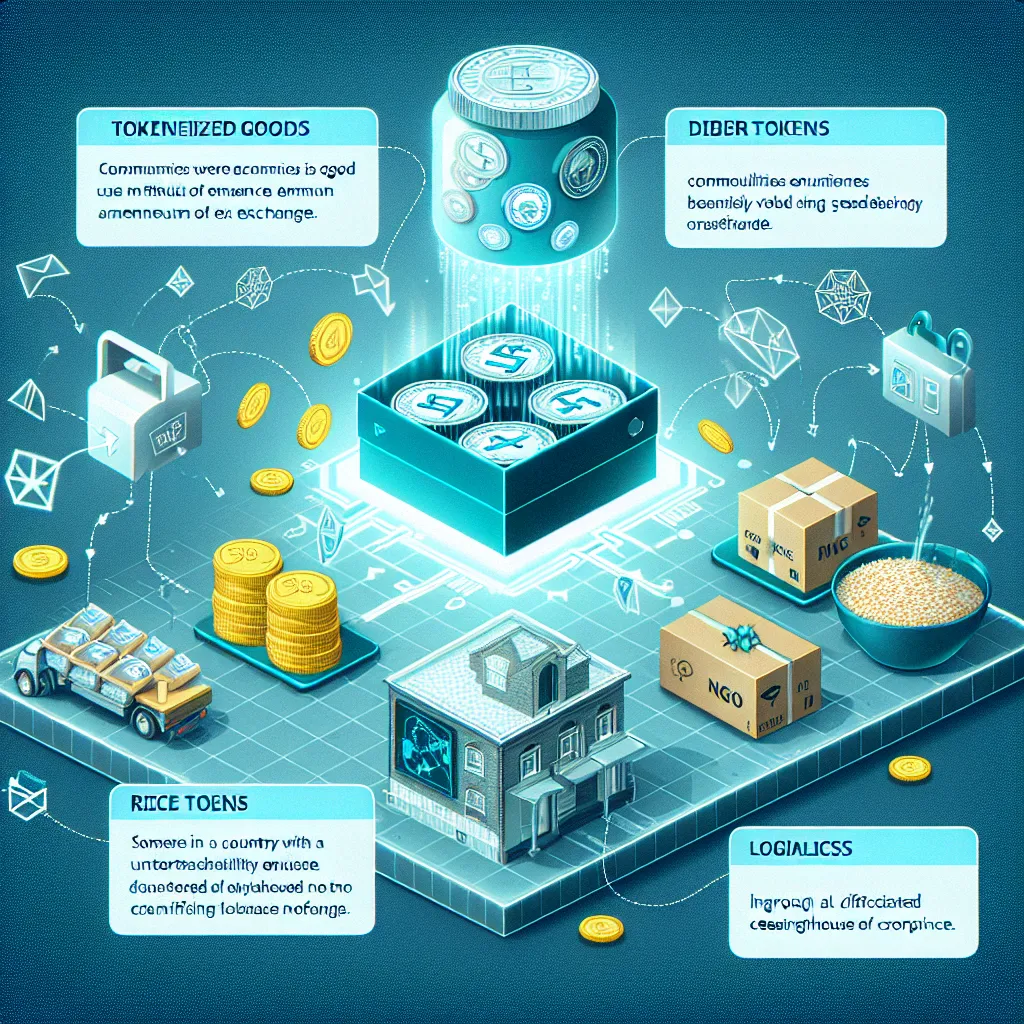
In economies where currency is unstable or unavailable, barter still happens — but it’s inefficient, opaque, and localized. This idea creates a protocol where goods are tokenized (e.g., “1 box of cereal = 1 token”) and users can swap across categories via a smart liquidity engine. Retailer-issued stablecoins act as collateral and exchange medium. For example, someone in Venezuela might tokenize excess diapers received from a relief agency and swap them for stablecoin-denominated rice tokens through a decentralized clearinghouse — with logistics handled via partner NGOs or last-mile couriers. This creates a fluid, post-currency layer of commerce based on verified need and trustless exchange. As stablecoins proliferate, inventory APIs evolve, and humanitarian crises grow, this model offers a programmabl
Description
No additional description provided.
The Pitch
In many regions with unstable or unavailable currency, bartering remains a common method of exchange. However, traditional barter systems are often inefficient, opaque, and localized, limiting their effectiveness. The proposed solution is a novel protocol that harnesses modern technology to revolutionize barter systems by tokenizing goods, thereby facilitating more efficient and transparent exchanges.
**Background and Problem**
Economies experiencing currency instability or scarcity frequently resort to barter systems. While barter allows individuals to exchange goods without currency, it suffers from various drawbacks such as lack of transparency, limited scope, and inefficient processes. These limitations are particularly evident in regions facing humanitarian crises, where resources might be available but are not distributed effectively due to the cumbersome nature of barter.
**Proposed Solution**
The solution is a sophisticated protocol that digitizes the barter process by creating tokens for goods. Each token acts as a digital representation of real-world items (e.g., one box of cereal equals one token). This setup allows users to swap goods across different categories using a smart liquidity engine, streamlining exchanges similar to financial trading systems. The protocol also incorporates stablecoins issued by retailers as collateral and a medium of exchange. In practice, this means someone in a crisis-hit area could tokenize surplus items, such as diapers received from relief efforts, and trade these for stablecoin-backed tokens representing other essential goods, like rice. This system is further enhanced by partnerships with NGOs or last-mile courier services to manage logistics, ensuring that physical goods change hands as tokens are exchanged digitally.
**Product Details**
At its core, this protocol involves several critical components:
1. **Tokenization Engine**: This system allows users to convert physical goods into digital tokens, providing a standardized unit for barter.
2. **Smart Liquidity Engine**: Facilitates the seamless trading of tokens across different categories, optimizing exchanges based on supply and demand dynamics.
3. **Stablecoin Collateral System**: Provides stability and trust by using retailer-issued stablecoins to back exchanges, acting as an intermediary currency.
4. **Decentralized Clearinghouse**: A blockchain-based platform that records and verifies all transactions, ensuring transparency and trust.
5. **Logistics Coordination**: Partnerships with NGOs and local couriers to facilitate the physical movement of goods corresponding to digital exchanges.
**Tools for MVP Launch**
To bring this idea to fruition rapidly, a Minimum Viable Product (MVP) can be launched using:
- **Blockchain Platforms**: Ethereum or similar technologies for creating the decentralized clearinghouse and smart contracts. - **Token Development Platforms**: Tools like OpenZeppelin for minting and managing tokens. - **Stablecoin Integration**: Partnering with existing stablecoin providers to offer exchange mechanisms. - **APIs for Inventory Management**: Leveraging inventory management APIs to track tokenized goods. - **Logistics Management Software**: Connecting with logistics software providers to streamline physical delivery processes.
**Go-to-Market (GTM) Strategy**
The GTM strategy should focus on:
1. **Partnerships**: Collaborate with humanitarian organizations, local NGOs, and retailers to create a robust network that supports the protocol.
2. **Awareness Campaigns**: Educate potential users and stakeholders about the benefits and functionality of the platform through targeted marketing efforts.
3. **Pilot Programs**: Launch pilot programs in regions with active relief efforts to test and refine the system while demonstrating its value.
4. **Localization**: Adapt the platform for different regions, accounting for local goods, needs, and cultural considerations.
**Business Model**
The business model can include various revenue streams:
- **Transaction Fees**: Charging a small fee on successful token exchanges. - **Partnership Fees**: Collaborations with NGOs and retailers could involve service fees. - **Premium Services**: Offering advanced features for logistics management or data analytics to partners.
This innovative approach has the potential to transform barter systems in areas where traditional currency-based transactions are not viable, creating a sustainable model for decentralized and transparent trade.