Tokenized Access Rights for Real Asset Usage
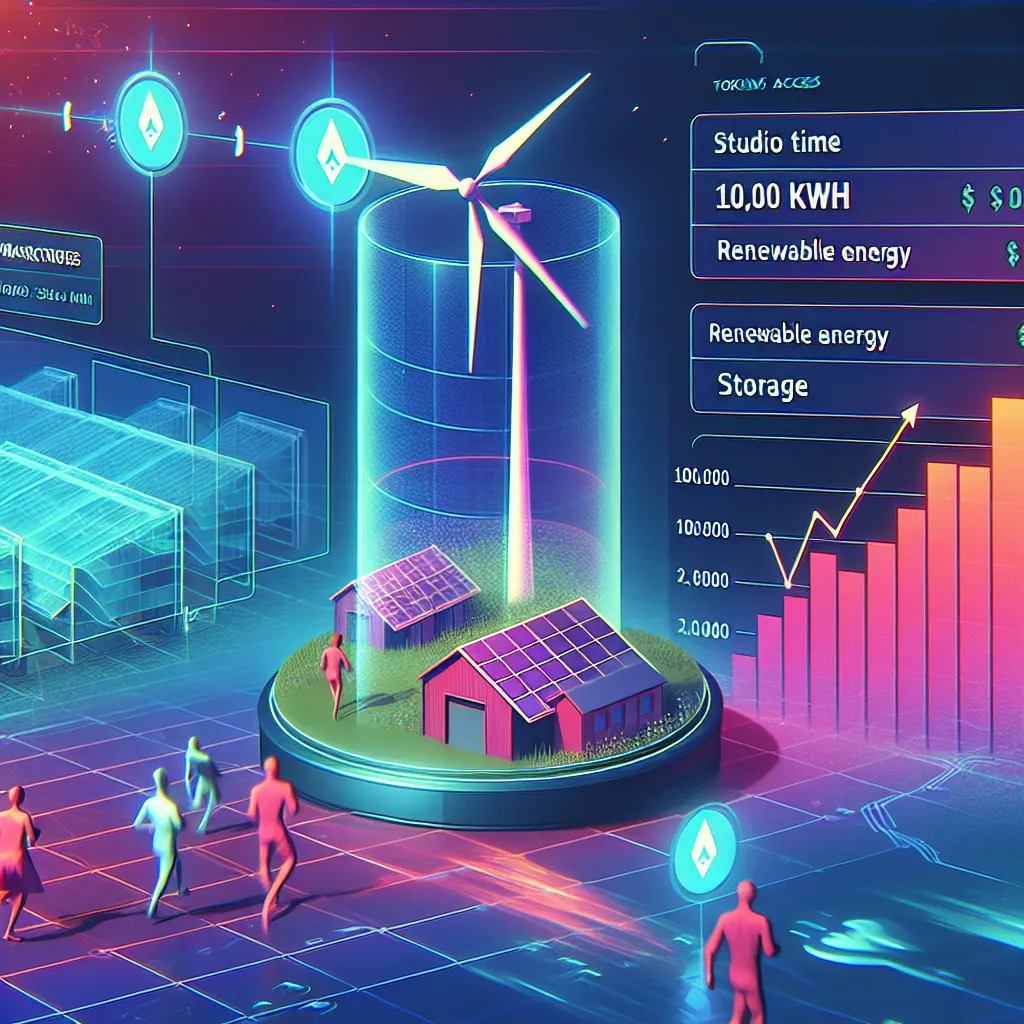
Fractional ownership of real assets exists, but access is still clunky. This startup issues fungible “synthetic access tokens” that represent usage rights for real-world goods—studio time, renewable energy, storage space. These tokens can be traded or staked, allowing marketplaces to emerge for underutilized capacity. Why now? Tokenization infra is here (ERC-1155, RWAs), and post-COVID, access > ownership is a rising trend. Example: A wind farm tokenizes 10,000 kWh of excess power as tradable tokens; consumers, miners, or energy DAOs can buy and redeem power credits on-chain with pricing based on demand.
Description
No additional description provided.
The Pitch
Fractional ownership of real assets has been a growing trend, aimed at democratizing access and reducing individual burden. This model has been around for assets like real estate and luxury items. However, despite its promises, current systems are often inefficient and inaccessible to the average person. For example, complex legal requirements and high entry costs can create significant barriers.
In the wake of the COVID-19 pandemic, there's been a cultural shift towards valuing access over ownership. This is evident in the rising popularity of services like car-sharing and subscription models, where users prefer to pay for usage rather than owning the asset outright.
**The Problem**
While fractional ownership has gained popularity, the systems supporting it are largely clunky and inefficient. Real-world assets (RWAs) like studio time, renewable energy, or storage space remain unutilized to their full potential because of the barriers in accessing fractional ownership models. On the other hand, many of these assets are often underutilized themselves, representing a significant waste of potential resources and value.
**The Solution**
Fractional Ownership 2.0 takes the concept to a new level by introducing fungible synthetic access tokens. These tokens represent usage rights for specific real-world goods or services. Rather than owning a fraction of the asset itself, buyers acquire tokens that can be traded, staked, or redeemed, giving them the right to use the resource.
**Product Details**
The platform issues fungible tokens using the ERC-1155 standard, which allows multiple token types to exist within a single contract, making the process more efficient. This facilitates the creation of synthetic access tokens that are directly linked to real-world assets such as studio time, renewable energy credits, and storage space. An example would be a wind farm tokenizing its excess 10,000 kWh of power into tradable tokens. These tokens can then be purchased and redeemed for power credits on-chain, with their value influenced by market demand.
**Tools for Launching as an MVP**
1. **Blockchain Frameworks**: - Ethereum or Polygon for creating smart contracts using ERC-1155. - Chainlink for integrating real-world data into smart contracts.
2. **Development Tools**: - Truffle or Hardhat for Ethereum development and testing. - Metamask for wallet integration and testing user interactions.
3. **Token Management**: - OpenZeppelin for smart contract security libraries. - IPFS for decentralized storage of metadata related to the tokens.
4. **Marketplace Setup**: - ThirdWeb or Rarible Protocol to create a basic marketplace for token trading.
5. **User Interface**: - React or Angular for front-end development. - Web3.js or Ethers.js for blockchain interaction.
**Go-to-Market Strategy (GTM)**
1. **Initial Target Market**: - Partner with renewable energy producers and creative studios to tokenize underutilized capacity.
2. **Community Building**: - Engage early adopters through targeted social media channels, forums, and Discord servers. - Conduct webinars and educational sessions to explain the benefits of synthetic access tokens.
3. **Partnership and Alliances**: - Collaborate with platforms focused on decentralized finance (DeFi) to integrate staking options. - Establish alliances with existing fractional ownership platforms to enhance token offerings.
**Business Model**
1. **Transaction Fees**: A small fee on each token trade to facilitate platform sustainability. 2. **Membership Model**: Offer premium memberships for entities needing priority access to certain assets or features. 3. **Staking Benefits**: Introduce staking opportunities where users can earn rewards for holding tokens. 4. **Consulting Services**: Provide consulting for asset owners on tokenization strategies.
By identifying and solving the inefficiencies inherent in current fractional ownership systems, the platform can open a world of opportunities, unlocking the potential for synthetic access tokens as a mainstream solution.