Thriving Local Dance Studio for Young Children
In many suburban and mid-sized cities, parents struggle to find high-quality, engaging extracurricular activities for young children. Traditional dance studios may be outdated, inconsistent, or lack a structured curriculum for early childhood development. The solution is a locally run children’s dance studio that provides well-designed, age-appropriate classes with a clear path of progression, recurring tuition plans, and built-in community events like recitals and holiday performances. These studios generate income not only from lessons but also from seasonal shows, costumes, and family photo packages. The opportunity lies in replicating a proven model in a city or region where such services are currently lacking. With low overhead, strong word-of-mouth potential, and high emotional appeal to families, this concept can thrive in areas underserved by current market offerings.
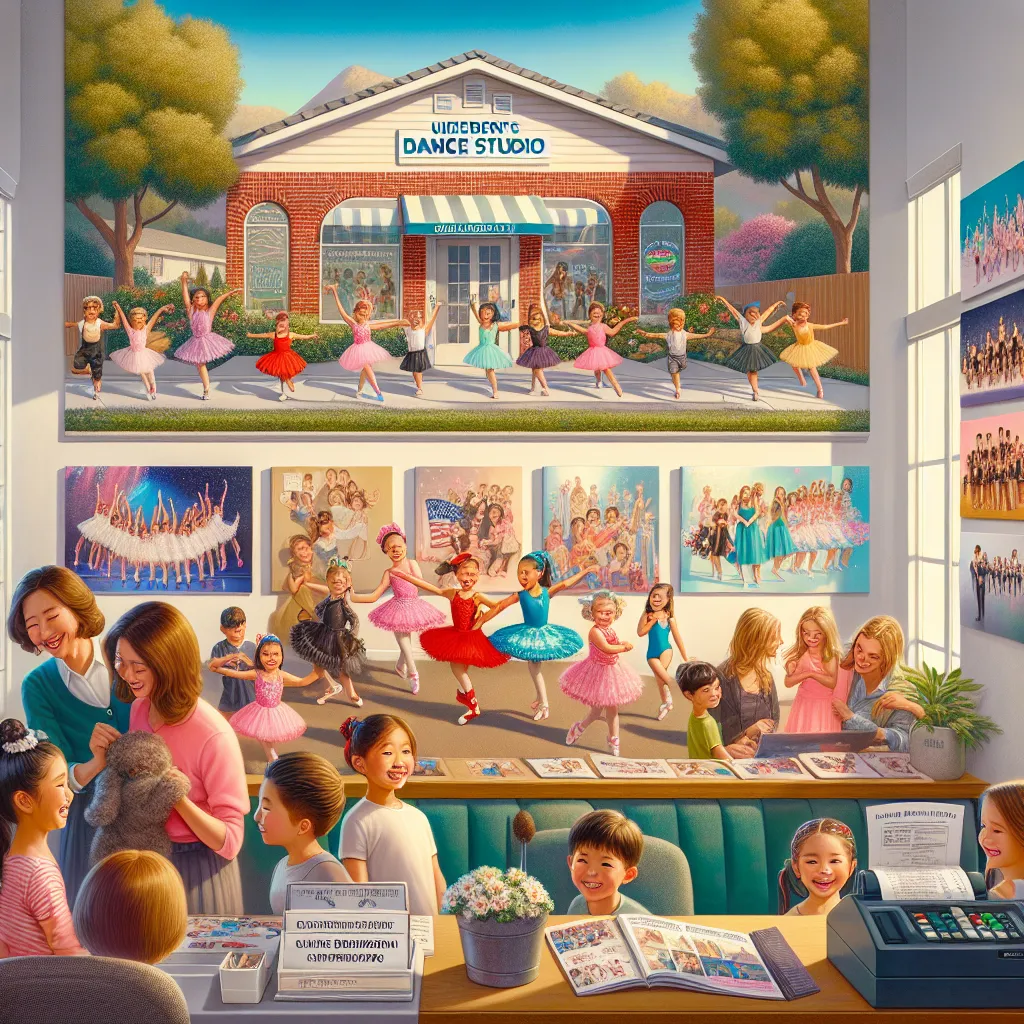
Description
No additional description provided.
The Pitch
In many suburban and mid-sized cities, parents face difficulties in finding high-quality, engaging extracurricular activities for young children. Often, the available options, such as traditional dance studios, may suffer from outdated practices, inconsistency, or lack a structured curriculum tailored for early childhood development. This presents a unique opportunity to introduce an innovative solution to the market. The concept is a locally run children's dance studio that offers well-designed, age-appropriate classes with a clear path of progression. Alongside this, the studio will have a recurring tuition plan and host community events like recitals and holiday performances.
The problem is clear: existing options for children's dance education fall short of modern expectations for quality and engagement. Many parents wish for a more structured curriculum that caters to the developmental needs of young children, ensuring they are not only learning dance but also improving their motor skills, social abilities, and confidence.
The proposed solution involves creating a dance studio that sets itself apart from traditional studios by focusing specifically on young children and offering an engaging, structured pathway for their growth. This studio will not only provide dance lessons but also generate income through seasonal shows, costume rentals or purchases, and family photo packages during recitals and events.
Product Details: 1. Age-appropriate classes with a progressive curriculum tailored for young children. 2. Recurring tuition plans that ensure steady revenue, offering discounts for siblings or long-term enrollment. 3. Community events, such as recitals and holiday performances, that foster a sense of belonging and provide additional income streams. 4. Opportunities for parents to purchase dance-related merchandise, including costumes and accessories. 5. Professional family photo packages during events to capture memorable moments.
Tools and Resources for Launching as an MVP (Minimum Viable Product): 1. A basic website for class schedules, online enrollment, and payment processing. 2. Studio space that can be rented or shared with other community activities to keep overheads low. 3. A simple marketing plan focusing on digital channels like social media and local parenting groups. 4. Collaboration with experienced dance instructors who can develop and teach the curriculum.
Go-To-Market Strategy: 1. Leverage local online communities and parenting forums to build awareness. 2. Use introductory offers, such as free trial classes or discounted first-month tuition, to attract initial customers. 3. Network with local schools and community centers for cross-promotional opportunities. 4. Host open house events in the studio to allow parents and children to experience the space and curriculum firsthand. 5. Create engaging content for social media that showcases the studio's environment, student testimonials, and behind-the-scenes glimpses.
Business Model: 1. Subscription-based tuition model ensuring predictable monthly revenue. 2. Add-on sales from merchandise, costumes, and event tickets. 3. Partnerships with local businesses for costume rentals and photography services, potentially adding commission-based income. 4. Opportunities for sponsorships and community partnerships for events and recitals.
This concept can thrive in areas underserved by existing options, leveraging its unique value proposition of structured, high-quality dance education for young children. By understanding the needs of the community and providing an emotionally appealing service to families, the children’s dance studio can establish itself as a staple within the local market.