The Rule of 100: Commit to Mastery
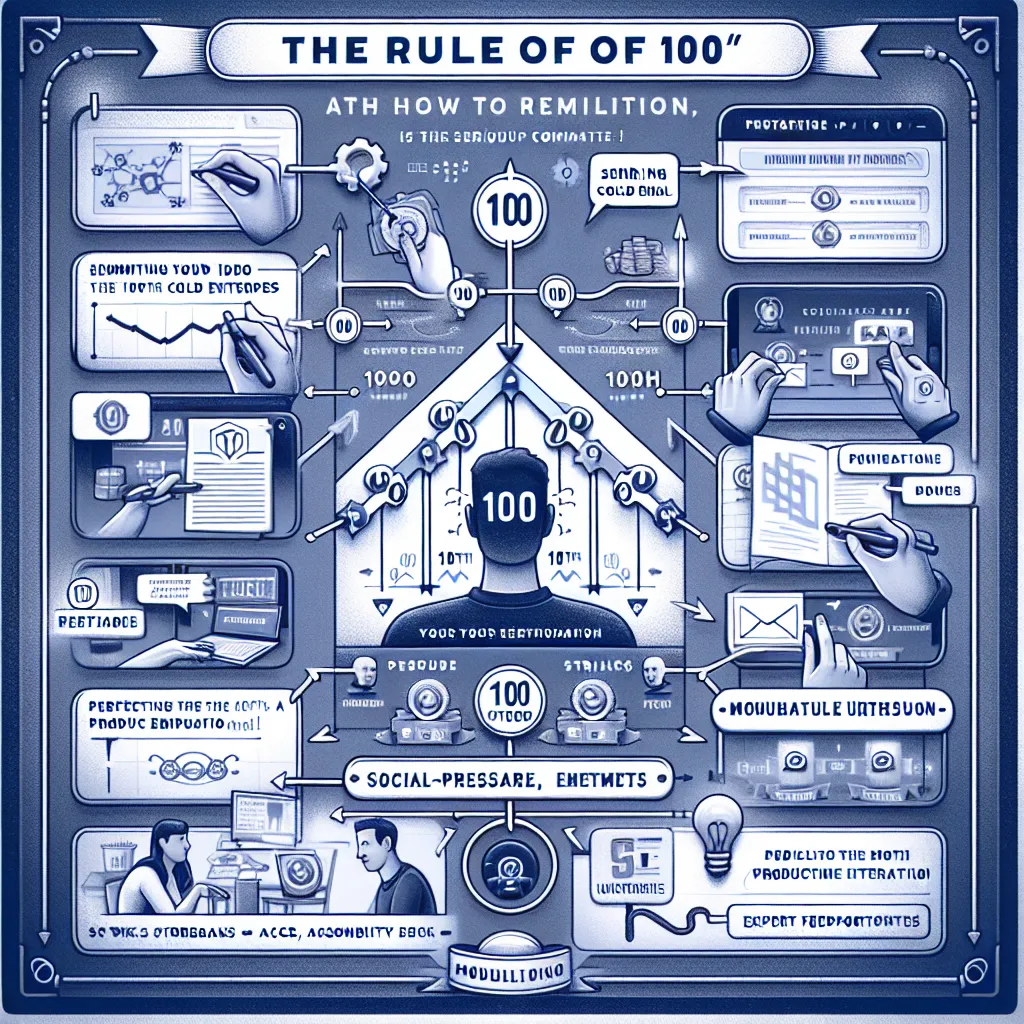
Most people don’t fail because they lack ideas—they fail because they never do enough reps to get good. Everyone wants to start a podcast, build an audience, or launch something, but almost nobody is willing to do the first 100 attempts it actually takes to break through. The advice is everywhere (“just ship consistently”), but there’s no system that enforces it. The idea is a “Rule of 100” platform where users commit to doing something 100 times—100 videos, 100 cold emails, 100 product iterations—and the product is built around completion. Every attempt is logged, slightly improved (one tweak per rep), and tracked publicly or within a cohort. You don’t just consume content—you’re forced to execute. Add social pressure, streaks, milestone unlocks, and expert feedback at key checkpoints. Charge for access, accountability, and outcomes. In a world full of people who want results but avoid repetition, this becomes the engine that turns intention into momentum—and momentum into skill.
Description
No additional description provided.
The Pitch
In a world where the gap between intention and execution is wide and often insurmountable, many aspiring creators, entrepreneurs, and learners find themselves stuck in an endless cycle of procrastination and underachievement. This becomes particularly evident when people set out to achieve ambitious goals, such as starting a podcast, building an audience, or launching a business, but fail due to a lack of commitment and consistency. The core of the problem is not a lack of ideas or ambition, but rather the absence of a structured and motivating framework that encourages persistence through repeated effort.
**Identifying the Problem**
The primary challenge faced by most people today is not the shortage of ideas or informational resources but the lack of habitual execution. Many ambitious projects require hundreds of iterations and consistent repetition to gain traction and achieve success. However, the lifestyle culture of instant gratification and fear of failure often deters individuals from executing the necessary number of attempts. Despite a plethora of advice advocating consistency, there is no structured system that enforces or facilitates this repetitive effort.
**Solution Proposal**
Enter the Rule of 100 platform: a dynamic environment that transforms ambition into action through enforced consistency. The platform enables users to commit to executing an activity 100 times, whether it's creating 100 videos, sending 100 cold emails, or refining a product 100 times. This approach is designed around completion, where each attempt is logged, slightly improved with one tweak, and tracked either publicly or within a cohort.
**Product Details**
1. **User Commitment**: Users start by choosing a project and committing to 100 iterations of a specific task. This could be creating content, improving a skill, or iterating a product.
2. **Tracking System**: Each attempt is documented and logged with progress, improvements, and reflections. Users can choose whether to share their progress publicly or within a private cohort of peers undergoing similar challenges.
3. **Feedback and Milestone Unlocks**: As users advance, they receive feedback at key checkpoints and unlock milestones that provide motivation and a sense of achievement.
4. **Social Engagement**: The platform incorporates elements of social pressure, allowing users to form groups or cohorts to encourage each other and hold one another accountable.
5. **Expert Interaction**: Periodically, users will have access to expert feedback and opportunities to learn from seasoned professionals who have succeeded in similar endeavors.
**Tools for MVP Launch**
To quickly launch a Minimum Viable Product, consider utilizing the following tools:
- **Web Development**: Use no-code platforms like Webflow or Bubble to quickly build the front-end interface. - **Progress Tracking**: Employ platforms like Airtable or Google Sheets for initial progress logging and tracking. - **Community Building**: Integrate community tools like Slack or Discord to build user cohorts. - **Feedback Systems**: Utilize platforms such as Typeform for gathering user feedback and suggestions. - **Analytics**: Set up Google Analytics or Mixpanel to track user interaction and engagement metrics.
**Go-to-Market Strategy (GTM)**
1. **Target Audience**: Focus on individuals who are highly driven but struggle with execution. Ideal users include content creators, entrepreneurs, freelancers, and self-learners.
2. **Initial Outreach**: Collaborate with influencers and communities already advocating for consistency and improvement frameworks. Guest blogs, podcasts, and webinars can be effective channels.
3. **Early Adopter Cohorts**: Create a sense of exclusivity and urgency by forming early adopter groups that receive added benefits and reduced pricing in exchange for feedback.
4. **User Stories and Testimonials**: Highlight success stories from early users to establish social proof and demonstrate the platform's value.
**Business Model**
- **Subscription Service**: Charge a monthly or annual fee for access to the platform, with tiered options for additional expert interactions and resources. - **Freemium Model**: Offer basic functionalities for free to attract users, with premium features available via paid subscriptions. - **Corporate Partnerships**: Develop partnerships with companies and educational institutions looking to enhance their training programs and staff development initiatives.
By coupling structured accountability with a focus on iteration and improvement, the Rule of 100 platform will serve as the catalyst that transforms intention into consistent action, bridging the gap between ambition and achievement both for individuals and organizations.