Test-First Retail: Mobile Modular Storefronts
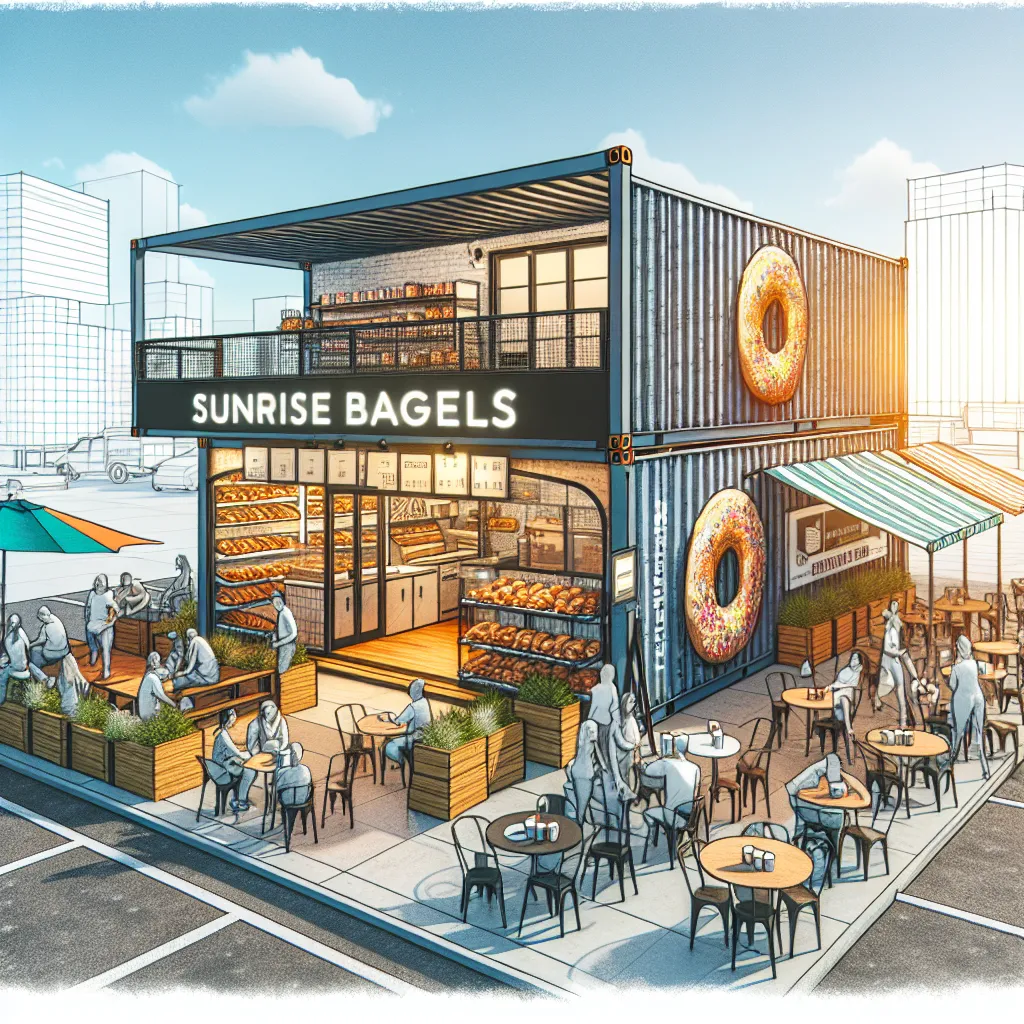
Launching a retail concept like a coffee shop or bakery requires high upfront investment, often with no way to test location viability. This startup deploys modular, mobile storefronts—essentially business-ready shipping containers or food trucks—to temporarily operate on underutilized lots or outside existing businesses. With real estate risk rising and modular construction booming, it’s the right time for test-first entrepreneurship. An aspiring entrepreneur could open “Sunrise Bagels” in a parking lot for 3 months, track foot traffic, and decide whether to invest in a permanent storefront or move on with minimal loss.
Description
No additional description provided.
The Pitch
Introducing an innovative approach to launching retail concepts, particularly those like coffee shops or bakeries, which traditionally require significant upfront investments. The challenge often lies in determining location viability without incurring substantial costs. Enter a groundbreaking solution: modular, mobile storefronts. These are essentially business-ready shipping containers or food trucks that enable temporary operation on underutilized lots or outside existing businesses.
Amidst rising real estate risks and a boom in modular construction, this approach aligns perfectly with the trend toward test-first entrepreneurship. Consider the scenario of an aspiring entrepreneur wanting to open a café called Sunrise Bagels. By setting up a mobile storefront in a parking lot for three months, the entrepreneur can track foot traffic and assess the viability of the location before deciding on a permanent investment. If successful, they can proceed confidently knowing there's demand. If not, they can relocate or pivot with minimal financial loss.
The product, a customizable modular storefront, comes equipped with essential infrastructure for specific business types, like a simple kitchen setup for a café or bakery. This flexibility caters to a wide array of entrepreneurs aiming to test their business ideas without heavy capital investment.
To facilitate the launch of this concept as a Minimum Viable Product (MVP), entrepreneurs can leverage tools like 3D design software for custom storefront modifications, mobile payment systems for on-the-go transactions, and foot traffic analytics to gather data and insights. Partnering with local real estate agencies can also help identify promising lots for temporary setup.
The Go-To-Market (GTM) strategy would focus on identifying urban areas with high foot traffic and vacant lots, forming partnerships with property owners to temporarily host these mobile storefronts at a low cost. Social media marketing and collaborations with local influencers can further amplify brand visibility and attract customers.
In terms of the business model, revenue can be generated through rental fees for the modular storefronts, providing tiered packages based on customization and amenities. Additional revenue streams might include consulting services to assist entrepreneurs in the setup phase, analytics subscriptions for ongoing location assessment, and a marketplace platform to facilitate transactions between property owners and entrepreneurs.
By offering a low-risk entry point into retail entrepreneurship, this concept empowers individuals to test their business ideas in real-world settings, ultimately fostering innovation and reducing the barriers to launching new ventures.