Teen-Safe AI Certification for Companion Safety
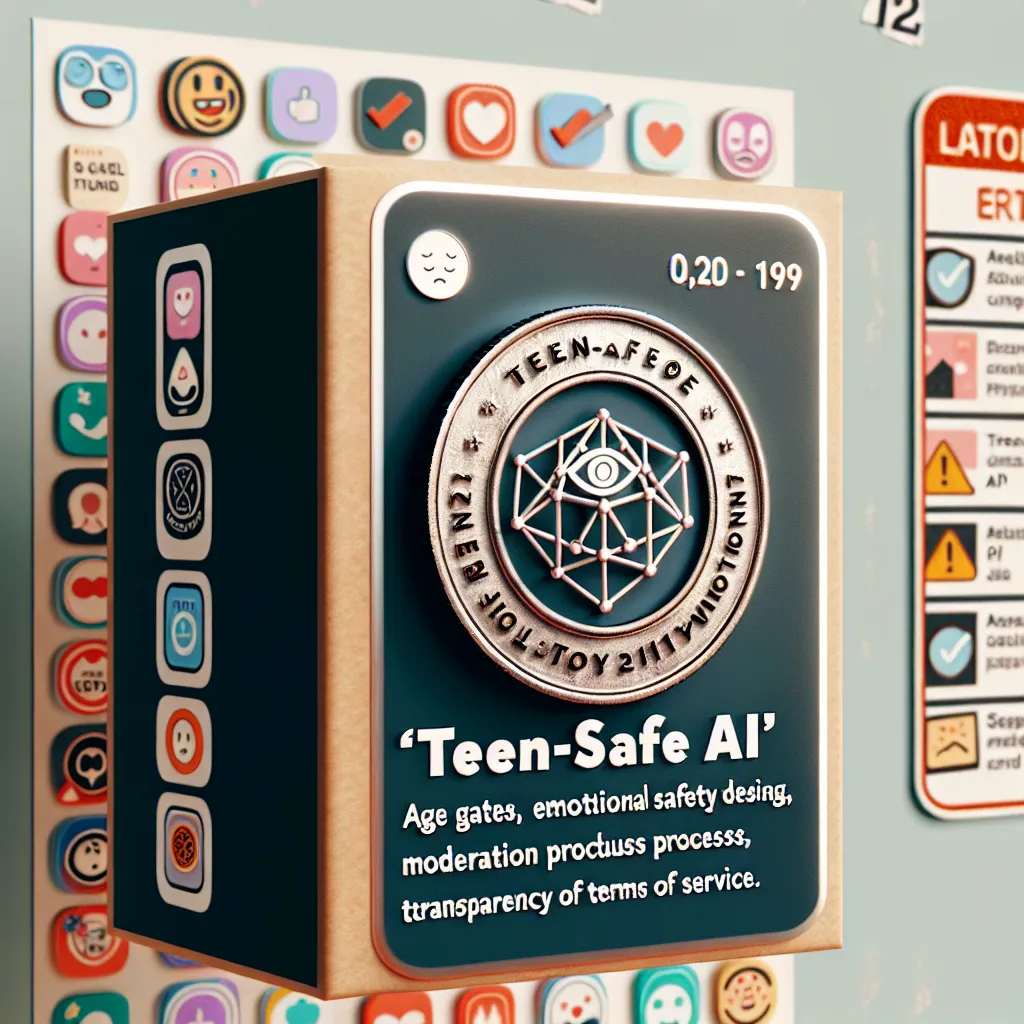
There’s no standardized way to know if an AI companion is safe for teen use. Common Sense Media offers reviews, but platforms are not held to public standards or required to disclose safety metrics. The solution is a third-party “Teen-Safe AI” certification network—similar to the “Organic” or “Fair Trade” labels. Developers submit AI tools for audit, and the system assesses age gates, emotional safety design, moderation processes, and terms-of-service transparency. Platforms that pass earn a public trust badge. Insight: With 72% of teens trying AI companions and 1 in 3 using them for emotional support, a public registry of vetted tools is urgently needed. Example: a new AI tool for social anxiety support could advertise its certification in app stores or school portals, signaling to parents and educators that it meets safety criteria—while unsafe tools can be flagged or blacklisted.
Description
No additional description provided.
The Pitch
The rise of AI companions has been meteoric, with a significant portion of teenagers now interacting with these digital entities. According to recent data, 72% of teens have tried AI companions, signaling a major shift in how young people engage with technology. Notably, 1 in 3 teens relies on these tools for emotional support. However, the rapid adoption of AI companions comes with its challenges, primarily centered around the safety and suitability of these tools for adolescents. Platforms are currently not held to standardized safety metrics, leaving parents, educators, and teens themselves in the dark regarding which tools are genuinely safe for use.
Problem:
The core issue is the lack of a standardized safety and suitability certification for AI companions specifically tailored for teens. While organizations like Common Sense Media offer reviews, they do not enforce public standards or require platforms to disclose comprehensive safety metrics. This gap leaves users without the guidance needed to make informed decisions about the AI tools they or their children use, particularly when these tools might provide emotional support or influence mental health.
Solution:
Introducing a third-party certification network named “Teen-Safe AI” could solve this prevalent issue. This organization would operate similarly to existing organic or fair trade certifications. Developers of AI tools would voluntarily submit their products for a thorough audit. The audit would focus on age appropriateness, emotional safety design, moderation processes, and the transparency of terms of service. Successfully vetted tools would earn the “Teen-Safe AI” badge, acting as a trust signal to users, parents, and educators. This process would not only foster safer digital environments but also encourage developers to prioritize safety and transparency in their design processes.
Product Details:
1. **Certification Process:** Developers submit applications. An assessment team evaluates the AI tools based on rigorous criteria including age gating, emotional safety features, moderation processes, and transparency in terms of service.
2. **Public Trust Badge:** Certified platforms receive a “Teen-Safe AI” badge for their marketing, app store listings, and other promotional materials.
3. **Registry and Monitoring:** A public registry of certified tools will be maintained, allowing users to verify certifications. Ongoing monitoring ensures continued compliance with safety standards.
Tools for MVP Launch:
To quickly bring this concept to life, the following tools and strategies could be employed:
1. **Website and Platform:** Leverage web-building platforms like WordPress or Wix to create an intuitive website that details the certification process, lists certified tools, and explains the importance of AI safety.
2. **Audit Tools:** Utilize existing software for workflow automation (e.g., Zapier) to manage submissions and certification processes efficiently.
3. **Community and Feedback:** Build a community using platforms like Discord or Slack, inviting developers, educators, and parents to engage and provide feedback on safety criteria and processes.
GTM Strategy:
1. **Partnerships:** Collaborate with educational institutions, parent organizations, and technology trade bodies to promote the certification.
2. **Public Awareness Campaigns:** Launch campaigns across social media and educational platforms stressing the importance of safe AI use among teens.
3. **Showcase Success Stories:** Highlight case studies or endorsements from certified platforms to build trust and demonstrate the value of certification.
Business Model:
1. **Certification Fees:** Charge a fee for the certification process from developers, scaled according to the size or type of the AI tool.
2. **Subscription Services:** Offer premium listings or customization options for certified platforms on the official website.
3. **Sponsorship and Grants:** Seek sponsorship opportunities from tech companies or grants from educational foundations interested in the safety of digital tools for teens.
By implementing a structured and transparent safety certification process, “Teen-Safe AI” could become a pivotal player in the AI landscape, ensuring that teenagers can safely benefit from advancements in AI technology without compromising their emotional and psychological well-being.