Teen Incubator: Empowering Young Innovators’ Startups
Many high-agency teenagers today, especially those who are homeschooled or learning online, are capable of building real-world products but lack access to the capital, mentorship, and structure they need to succeed. “Y Combinator for teens,” targeting ages 11–18, to find and fund these young founders early. Such a program would offer seed funding, mentorship, and a supportive community to help them build ambitious companies while still in their formative years. For example, this could support a 14-year-old building an AI tutoring app or a decentralized game economy. This idea responds to the growing autonomy of young people in a post-LLM world.
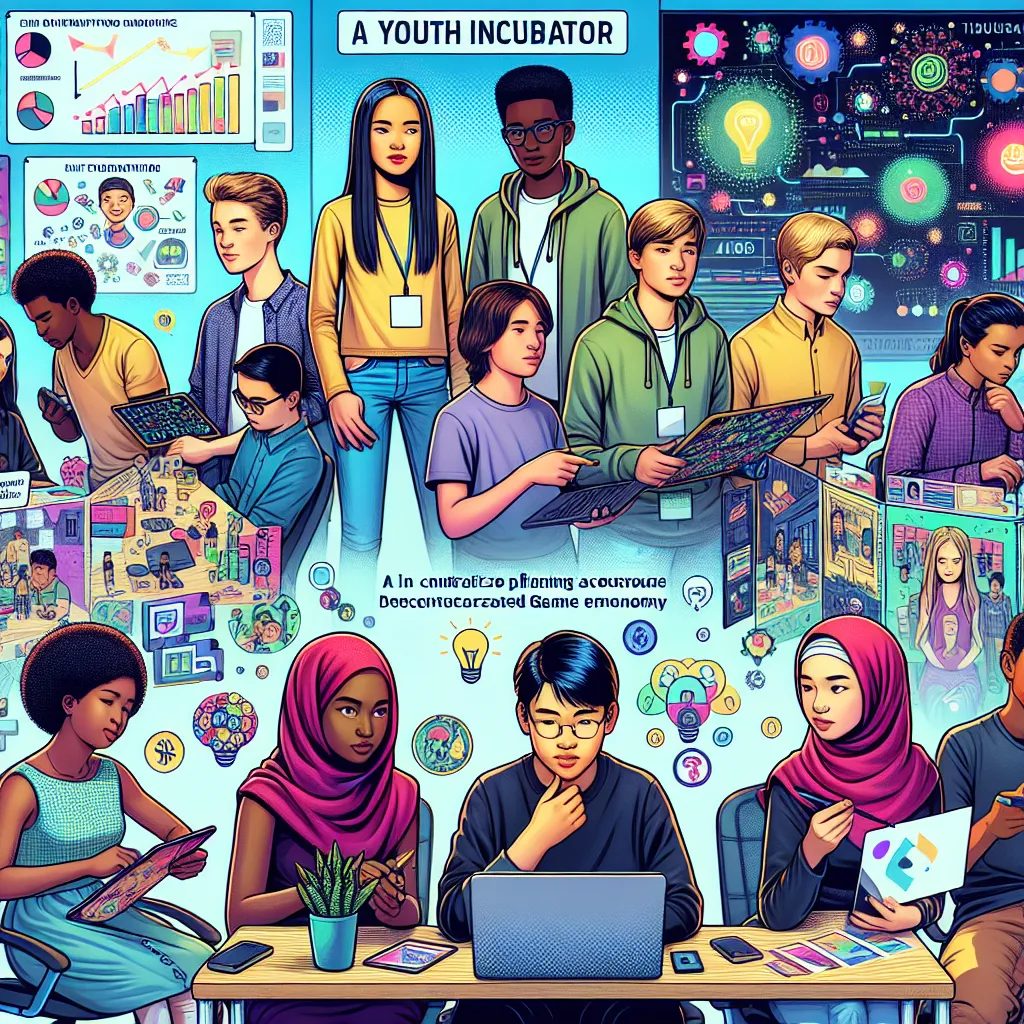
Description
No additional description provided.
The Pitch
With the rapid advancement of technology and the emergence of a digital-first generation, many young individuals are showing remarkable entrepreneurial potential. In particular, high-agency teenagers, especially those who are homeschooled or learning online, are developing skills required to create groundbreaking products. However, they often encounter barriers such as limited access to capital, mentorship, and a structured environment necessary for nurturing their ideas. In this context, envisioning a platform akin to a Y Combinator for teens could transform how young founders are discovered, supported, and empowered.
The Challenge
Despite the increasing capabilities of teenagers in today's tech-savvy world, several challenges impede their progress:
1. **Access to Capital**: Traditional investment avenues are often inaccessible to teenagers due to age restrictions and investors' apprehensions about their ability to deliver profitable returns.
2. **Lack of Mentorship**: Young founders frequently lack guidance from experienced entrepreneurs who can provide insights into navigating the complexities of building a successful enterprise.
3. **Need for Structured Support**: Aspiring young entrepreneurs may struggle with structuring their ideas, developing viable business models, and understanding market dynamics without a foundational support system.
4. **Community and Networking**: The importance of a robust community and networking opportunities cannot be understated in fostering innovation and collaboration. Teen entrepreneurs often find themselves isolated from such environments.
The Vision
To address these challenges, imagine a platform designed to find, fund, and develop young founders aged 11 to 18, offering them seed funding, mentorship, and a community-driven support system. This initiative would not only target their entrepreneurial skills but also ensure that they have the resources and guidance needed to bring their innovative ideas to fruition.
Solution and Product Details
1. **Seed Funding**: Provide initial capital to young founders to help kickstart their projects. This could involve small grants or investment without the expectation of immediate returns, focusing instead on long-term growth and learning.
2. **Mentorship Program**: Pair young founders with experienced entrepreneurs and industry experts who can guide them through various stages of their business journey, from ideation and development to scaling and execution.
3. **Educational Workshops**: Offer a series of workshops covering diverse topics such as product development, business strategies, marketing, and financial literacy tailored specifically for young minds.
4. **Community Building**: Create a vibrant online and offline community where young entrepreneurs can network, share experiences, and collaborate on projects, fostering a sense of belonging and mutual support.
5. **Structured Curriculum**: Develop a curriculum that provides a step-by-step approach to entrepreneurship, ensuring that participants gain both theoretical knowledge and practical experience.
Tools for MVP Launch
To build and launch this platform as a Minimum Viable Product, the following tools can be utilized:
1. **No-Code Platforms**: Use no-code development tools like Bubble or Adalo to quickly create a user-friendly platform without extensive programming.
2. **Communication Tools**: Implement Slack or Discord for effective communication and community interaction among participants and mentors.
3. **Virtual Workshop Services**: Utilize platforms like Zoom or Google Meet to conduct virtual workshops and mentoring sessions.
4. **Learning Management System**: Set up a system like Teachable or Thinkific to host the educational curriculum and track the progress of young founders.
Go-to-Market Strategy
1. **Partnerships with Schools and Online Learning Platforms**: Collaborate with educational institutions and online platforms to identify potential candidates and leverage their networks.
2. **Social Media Campaigns**: Launch engaging social media campaigns targeting teens, parents, and educators to create awareness about the platform and its benefits.
3. **Content Marketing**: Regularly publish success stories, testimonials, and thought leadership pieces on entrepreneurship to generate interest and credibility.
4. **Referral Program**: Encourage participants to refer peers by offering incentives, thereby expanding the reach of the platform organically.
Business Model
1. **Freemium Model**: Offer basic access to workshops and community resources for free, while charging a premium for advanced mentorship and specialized resources.
2. **Equity Stake**: Consider taking a small equity stake in any successful ventures launched by participants as a long-term investment strategy.
3. **Sponsorship and Grants**: Seek sponsorships and grants from governmental and private organizations interested in supporting youth entrepreneurship.
Conclusion
By creating such a platform, we can unlock the immense potential of young entrepreneurs, providing them with the tools and support they need to succeed. This initiative not only addresses the current gaps in resources and guidance but also nurtures a new generation of innovators ready to make their mark on the world.