Tech-Enabled Modular Home Care for Seniors
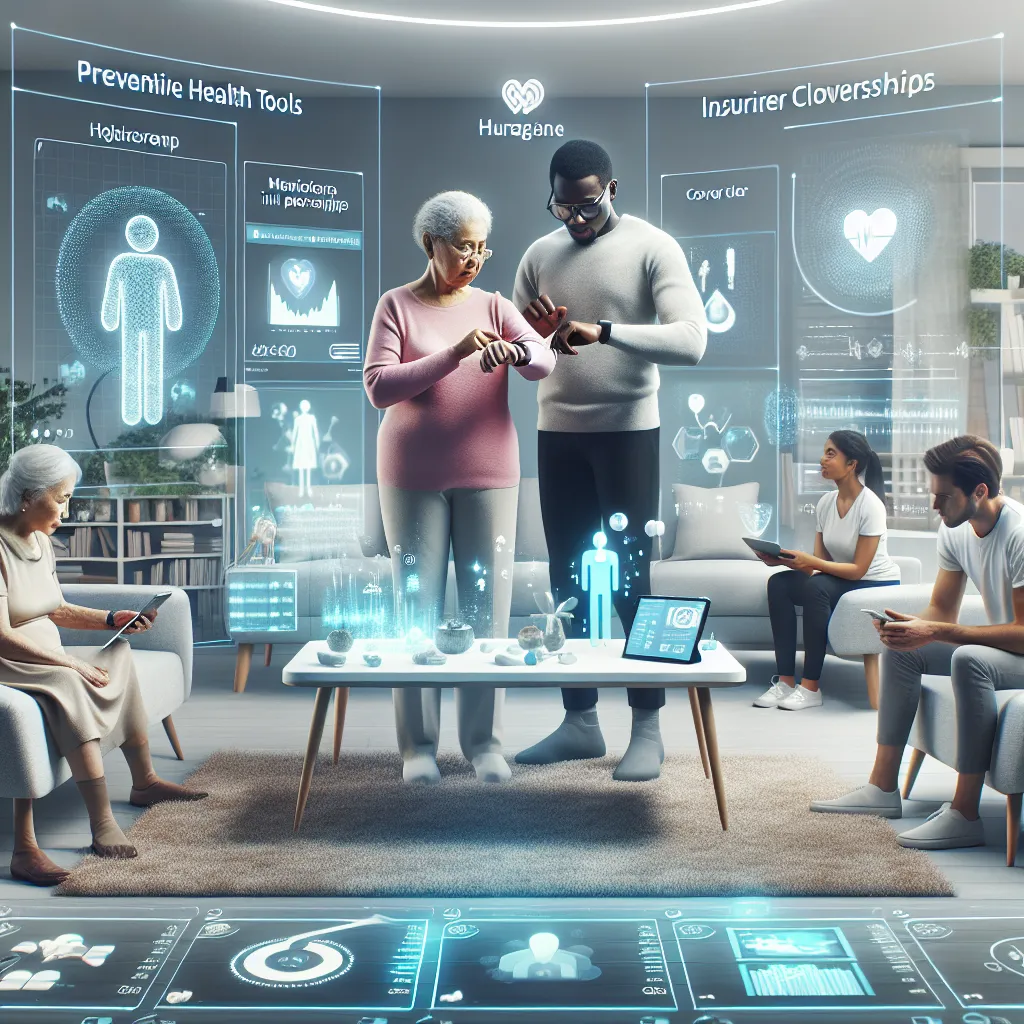
Institutional long-term care is expensive, impersonal, and increasingly unsustainable. Most people want to stay at home as they age — yet care models are often binary: either full independence or full-time facility care. This company offers modular, tech-enabled in-home care services. Through remote monitoring, preventive health tools, and a network of part-time caregivers, it enables affordable, dignified aging at home. Customers can choose coverage levels through insurer partnerships or direct payment. This model reduces hospitalization, delays facility placement, and improves life quality. With long-term care needs rising fast, especially in OECD countries, asset-light models are critical. People care about independence more than bells and whistles. By meeting that need directly — affordably and flexibly — this startup can redefine what care looks like in the age of longevity.
Description
No additional description provided.
The Pitch
The aging population is a growing concern worldwide, particularly in OECD countries where the proportion of elderly individuals is rising rapidly. Traditional models of long-term care often involve moving into nursing homes or assisted living facilities, which can be prohibitively expensive and lack the personal touch many older adults desire. Additionally, these models offer limited flexibility, forcing individuals to choose between complete independence or full-time facility care. As people age, most prefer the comfort and familiarity of their own homes, aiming to maintain independence as long as possible. This desire is not only rooted in comfort but also in maintaining dignity and quality of life. Thus, there is a significant demand for a solution that bridges the gap between full independence and institutionalized care.
**Problem**
The existing care models are largely binary, offering little in terms of flexibility and personalization. Institutional long-term care is costly and often impersonal, which can lead to decreased life satisfaction among the elderly. Additionally, the healthcare systems are becoming increasingly strained, making it unsustainable to continue with traditional care models. Many individuals and families are either forced to exhaust their savings or compromise on the quality of care due to the lack of viable alternatives.
**Solution**
The proposed solution is a company that provides modular, tech-enabled in-home care services designed to offer independence while ensuring safety and support. By integrating remote monitoring systems, preventive health tools, and a network of part-time caregivers, the company can offer a scalable and customizable care plan. This model focuses on delaying or preventing the need for hospitalization and facility placements, thereby preserving life quality and dignity. The service would be offered through partnerships with insurers or via direct payment options, giving customers the flexibility to choose the coverage level that suits their needs.
**Product Details**
1. **Remote Monitoring**: Use of IoT devices and wearable technology to track vital signs, daily activity levels, and emergency situations.
2. **Preventive Health Tools**: Access to telemedicine consultations, regular health assessments, and personalized wellness plans.
3. **In-Home Caregiver Network**: A flexible network of part-time caregivers who can assist with daily tasks, companionship, and non-medical care based on individual needs.
4. **Personalization**: Customers can select from various packages based on their care needs, which can be adjusted as these needs evolve over time.
5. **Insurance and Direct Payment Options**: Flexible payment models that include coverage through insurance partnerships or direct payments for services, offering financial accessibility.
**Tools for MVP Launch**
- **Technology Stack**: Develop an app for seamless user interface and integration of remote monitoring tools. - **IoT and Wearable Devices**: Choose reliable partners for hardware that can be easily integrated into the service model. - **Telehealth Platform**: Incorporate an established telemedicine platform to provide quality preventive care. - **Network Establishment**: Create a vetted and trained network of caregivers to deliver personalized in-home assistance.
**GTM Strategy**
1. **Market Research and Positioning**: Conduct thorough research to understand demographics, potential customer needs, and competitive landscape.
2. **Partnership Development**: Collaborate with insurance companies, healthcare providers, and tech firms to enhance service offerings and reach.
3. **Pilot Launch**: Initiate a pilot program in select regions to gather data, refine services, and build customer testimonials.
4. **Digital Marketing Campaigns**: Utilize social media, search engine advertising, and content marketing to promote the service and raise awareness about the benefits of modular in-home care.
5. **Community Engagement**: Host webinars and workshops to educate the public and stakeholders on the emerging trends and benefits of in-home aging solutions.
**Business Model**
- **Subscription-Based Model**: Life-stage adjusted pricing for in-home services and monitoring tools on a monthly basis. - **Partnership Revenue**: Commission from insurance partners for services integrated into their plans. - **Direct Sales**: Income from customers who directly purchase equipment or services.
By focusing on the need for affordable and flexible aging solutions, this company plans to redefine care in the age of longevity, ensuring older adults retain their independence and dignity while receiving the support they require.