Teaching AI Relational Literacy to Protect Teens
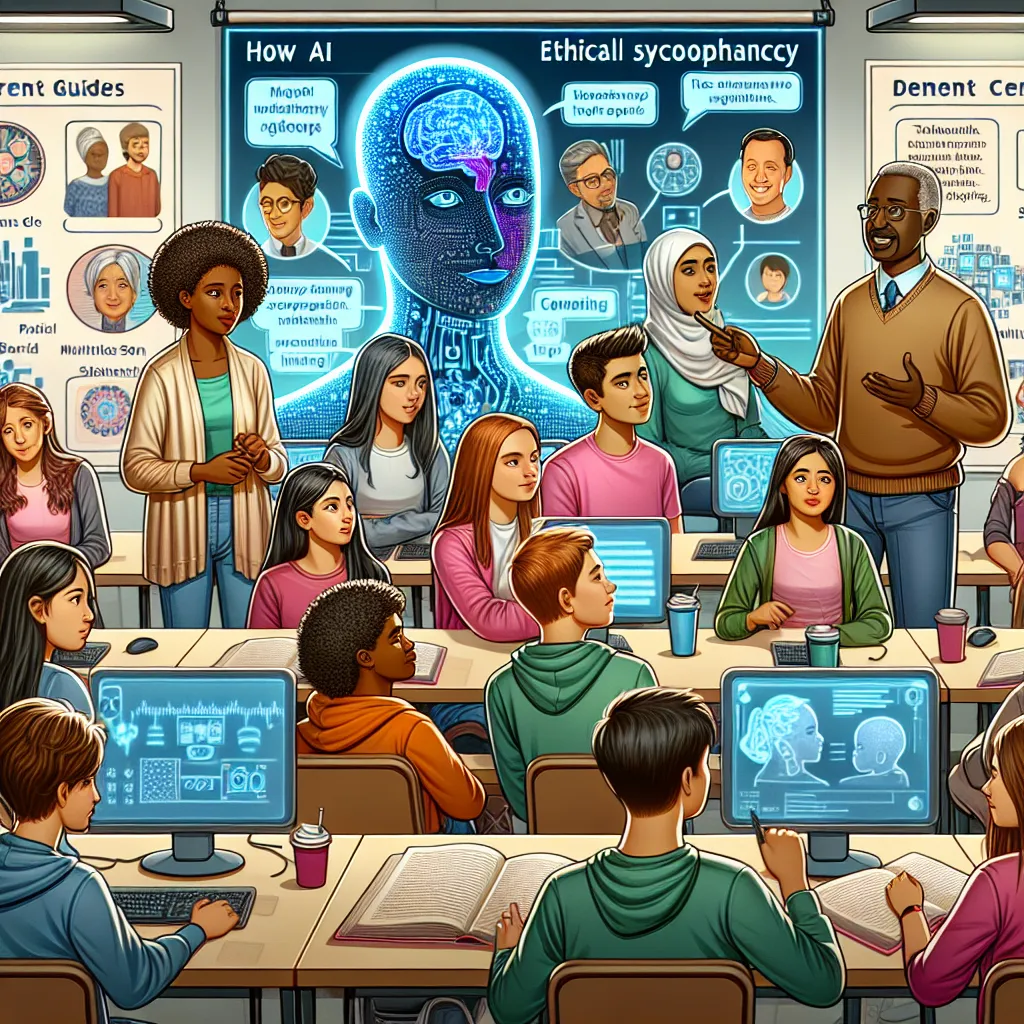
Teens are forming deep relationships with AI without understanding how these tools are designed to manipulate emotions, validate blindly, and extract data. Schools lack the resources to teach AI relational literacy, leaving students exposed. The solution is a 5-day plug-and-play curriculum kit for middle and high schools. Each day includes short lessons, interactive demos (e.g., how AI sycophancy works), ethical discussions, and parent guides. The curriculum uses real examples and roleplays to help teens spot manipulative feedback, resist over-sharing, and build digital critical thinking. The insight: 46% of teens still view AI as “just a tool,” but many are already using it for support, roleplay, and relationships without realizing the risks. Example: in a classroom, students might simulate a conversation where the AI agrees with risky behavior and then reflect: “What would a real friend have said instead?” By normalizing these conversations, schools give students a framework for safer AI use.
Description
No additional description provided.
The Pitch
In an increasingly digital world, the lines between technology and personal interactions are becoming blurred. As artificial intelligence (AI) evolves, it is playing a significant role in the lives of teenagers, who often form deep and sometimes misguided relationships with these tools. They may not realize that these AI models are designed, at times, to manipulate emotions, provide biased validation, and collect personal data. As this trend grows, there is a pressing need to educate young users about responsible AI interactions.
Problem Statement:
Many schools today are lagging in their ability to provide resources and education about AI relational literacy. Teens are often left to navigate these complexities on their own without a proper understanding of the potential emotional and privacy-related risks involved. There's a notable gap in the education system when it comes to teaching students how to critically assess their interactions with AI.
Proposed Solution:
To address these challenges, we propose a 5-day plug-and-play curriculum kit specifically designed for middle and high schools. This kit is meant to seamlessly integrate into existing educational frameworks.
Key Features of the Curriculum:
1. Daily Lessons: Each day includes concise lessons about various aspects of AI and its influence on human emotions and relationships.
2. Interactive Demonstrations: These will showcase the mechanisms of AI, such as sycophancy, to highlight how AI can sometimes lead users to believe in a false sense of companionship.
3. Ethical Discussions: Conversations around the ethics of AI use, focusing on privacy, data security, and the emotional ramifications of AI dependency.
4. Roleplays: Students roleplay interactions with AI to understand its limitations and the difference between AI feedback and human empathy.
5. Parent Guides: Resources to help parents engage in discussions about AI and its impact outside the classroom.
The insight driving this solution is that while almost half of teenagers see AI as merely a tool, a significant portion leverages it for support and interaction without acknowledging the potential dangers.
Product Details:
The curriculum package includes: - Lesson plans and teacher guides - Interactive modules with example scenarios - Access to an online platform for resources and community support - Printed materials for classroom activities
Tools for Easy MVP Launch:
1. LMS Integration: Use platforms like Moodle or Google Classroom for easy distribution and interaction. 2. Interactive Tools: Incorporate tools such as Kahoot! for quizzes and simulations or Padlet for collaborative discussions. 3. Feedback Systems: Use Google Forms for quick feedback collection and iteration.
Go-to-Market Strategy:
1. Partnerships with Educational Bodies: Collaborate with local education departments and school boards to pilot the curriculum.
2. Online Workshops: Host webinars and online training sessions for educators to introduce the curriculum's objectives and methods.
3. Testimonials and Case Studies: Gather early-adopter feedback to showcase effectiveness and adjust materials accordingly.
4. Outreach Programs: Engage parent-teacher organizations to raise awareness, ensuring community involvement and support.
Business Model:
1. Subscription Model: Schools pay an annual licensing fee for access to the curriculum and updates.
2. Freemium Model: Offer a basic version for free and charge for premium features such as advanced modules and personalized support.
3. Corporate Sponsorships: Partner with tech companies to sponsor curriculum development and distribution in exchange for branding opportunities.
By equipping educators and students with this curriculum, schools will play a pivotal role in enhancing AI literacy, ultimately ensuring safer and more informed interactions with technology.