Tariff-Free Supplier Solutions for Shopify Sellers
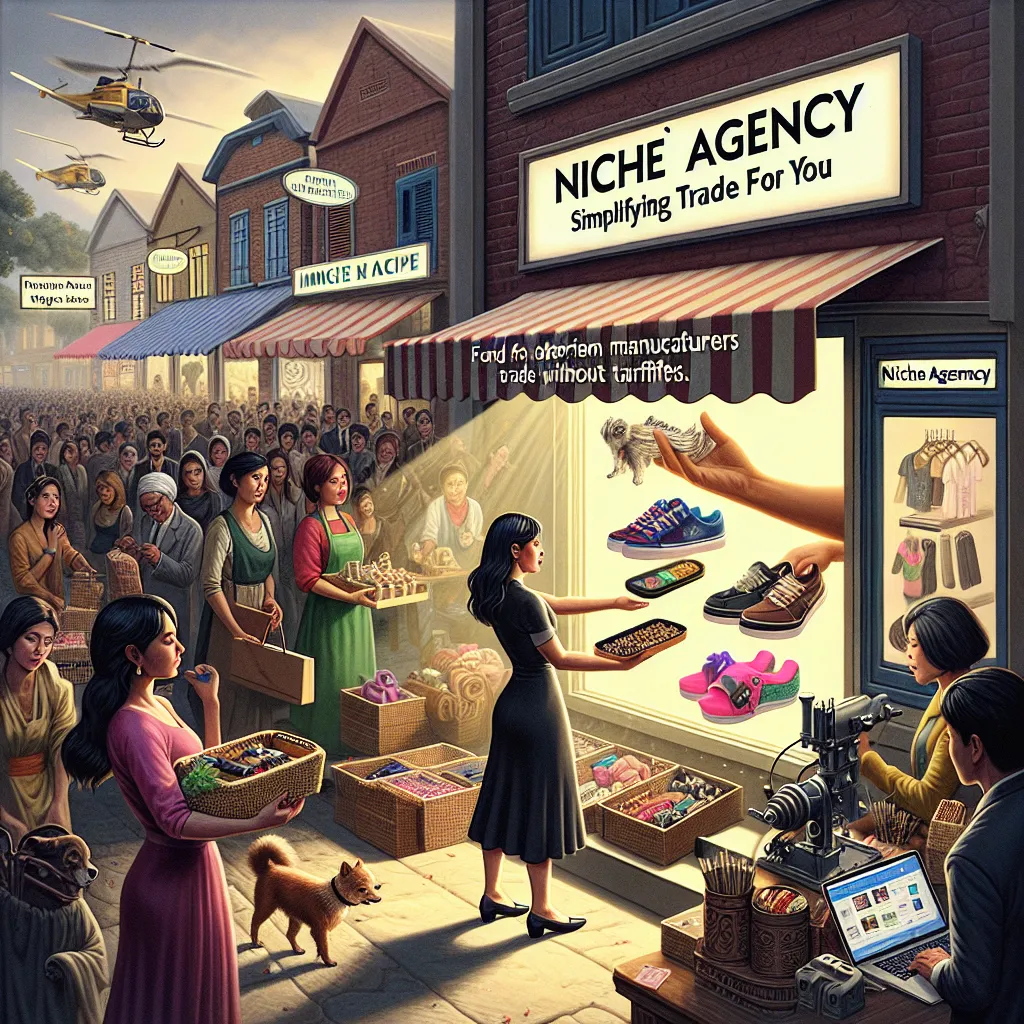
Small e-commerce businesses, especially Shopify sellers, often rely on a single Chinese factory and are now blindsided by new tariffs that threaten profitability. Most don’t have the resources to find new suppliers. A niche agency could step in, offering a simple pitch: “Give us your three best-selling products, and we’ll find tariff-free alternative manufacturers within 24 hours.” By scraping sales data using the Shopify URL suffix trick and tools like ImportYeti, the agency can deliver manufacturer leads without needing much input from store owners. For example, a pet accessories brand selling out of custom dog harnesses could be shown two Vietnamese manufacturers with comparable products, samples, and pricing—without lifting a finger. The agency only charges if the client uses the recommendation, keeping friction low and conversion high. This plays especially well with DTC brands who are agile and margin-sensitive.
Description
No additional description provided.
The Pitch
The e-commerce landscape has undergone significant changes over the years, with platforms like Shopify empowering small businesses to reach a global customer base. However, recent geopolitical shifts have introduced challenges such as new tariffs on Chinese imports, affecting profitability for many online sellers. These small to medium-sized e-commerce businesses, particularly those relying heavily on a single Chinese factory, suddenly face increased costs that threaten their bottom line. Many lack the resources or expertise to swiftly navigate these changes by finding alternative suppliers.
**Identifying the Problem:** Tariffs present a significant hurdle for small e-commerce businesses, many of which are already operating on razor-thin margins. The task of sourcing new, tariff-free suppliers is daunting due to a lack of resources and expertise. This creates a business gap where these sellers encounter increased pricing yet do not have a streamlined method to mitigate the impact.
**Proposed Solution:** Enter a niche agency dedicated to connecting e-commerce businesses—especially Shopify sellers—with tariff-free manufacturers. The agency will offer a straightforward value proposition: clients provide their top three best-selling products, and the agency handles the rest, delivering leads for tariff-free manufacturers within 24 hours. This process simplifies the supply chain transition, allowing sellers to maintain profitability without a significant investment of time or resources on their part.
**Product Details:** 1. **Target Clients:** Small to medium-sized e-commerce businesses, with an initial focus on those operating through Shopify. 2. **Core Service:** Identifying alternative, tariff-free manufacturers for a client's best-selling products. 3. **Tools & Processes:** - Utilize tools like ImportYeti to uncover manufacturing connections and catalogs. - Leverage the Shopify URL suffix trick to extract pertinent sales data from the client's store. - Develop a user-friendly platform where sellers can submit product details with ease. 4. **Pricing Model:** Success-based, where the agency only charges a fee if the client decides to utilize the recommended manufacturer. This model minimizes risk for the client and encourages higher conversion rates.
**Tools for MVP Launch:** - **Web Scraping Tools:** Automate the data extraction process from Shopify stores. - **Database & CRM:** Establish a robust system for managing client data and communication, utilizing platforms like Airtable or HubSpot. - **Client Portal:** Create an intuitive online platform for clients to submit product information and receive manufacturer recommendations.
**Go-to-Market (GTM) Strategy:** - **Targeted Outreach:** Focus on direct outreach to Shopify store owners through email marketing, social media, and online forums. - **Partnerships:** Collaborate with industry organizations and Shopify experts to build credibility and reach. - **SEO and Content Marketing:** Develop content that addresses the impact of tariffs and the benefits of diversifying suppliers, positioning the agency as an industry thought leader.
**Business Model:** The business will operate on a contingency model where fees are only charged upon successful client conversion. This lowers the entry barrier for clients and builds trust by directly aligning the agency's services with client success. Additionally, several tiers of service could be developed over time—such as rush orders or ongoing supplier monitoring—for freemium and premium offerings.
In conclusion, as small e-commerce businesses grapple with the challenges posed by changing trade policies, the proposed agency offers a solution that fills a crucial gap. By taking on the complexities of supplier sourcing, it frees sellers to focus on their core business activities, thereby fostering resilience and continued growth in an evolving market landscape.