Tardigrade Sensors: Extreme Environment Monitoring Solution
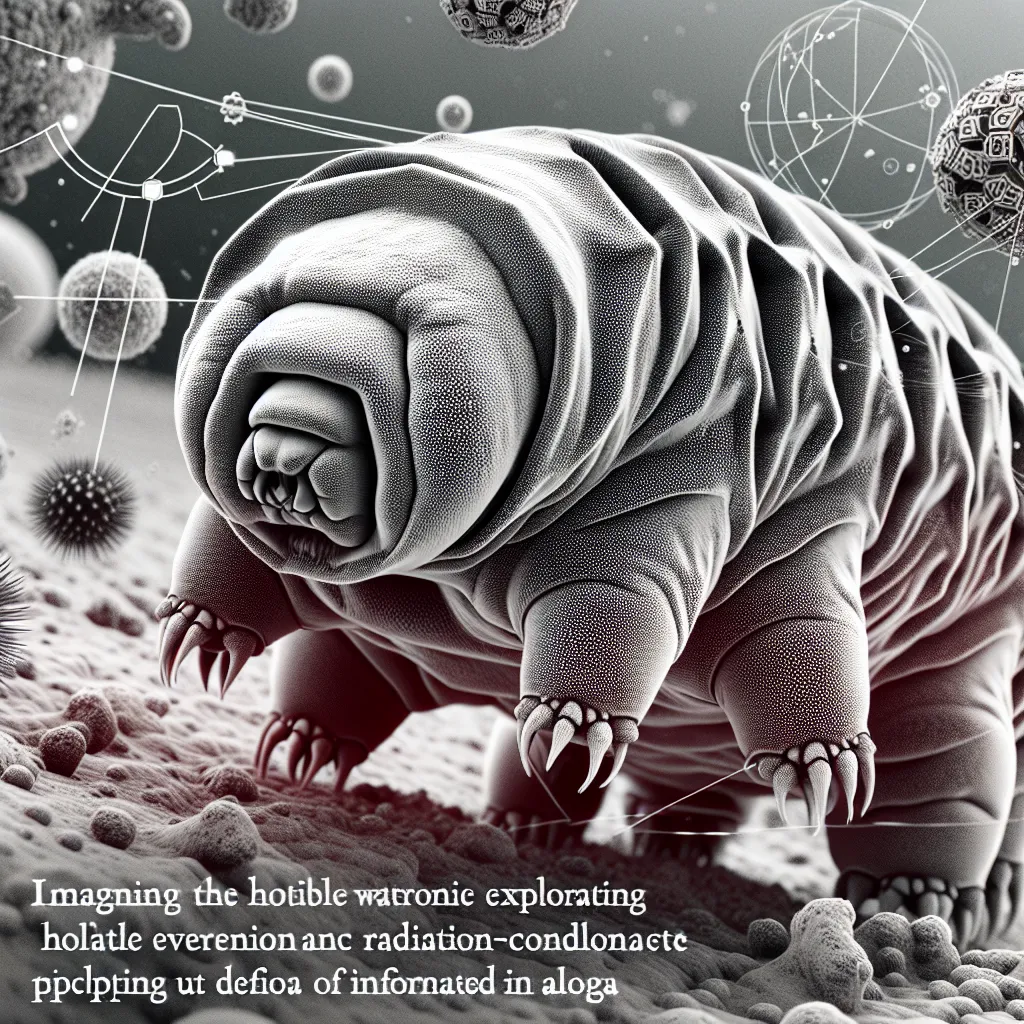
Right now, it’s really hard to track things like pollution, radiation, or temperature in places that are too hot, cold, deep, or dangerous—like the bottom of the ocean or near nuclear waste. Regular machines break down or stop working. But scientists just figured out how to “tattoo” tiny patterns onto living creatures called tardigrades—little animals that can survive extreme environments. A startup could turn these creatures into living sensors that go places machines can’t. They’d act like roaming weather stations or pollution detectors, sending back important info. For example, you could send them into deep ocean areas to measure chemical leaks or rising temperatures caused by climate change.
Description
No additional description provided.
The Pitch
In a world where monitoring extreme environments is crucial yet challenging, recent scientific advancements have opened a window of opportunity. Traditional machines often fail in conditions that are excessively hot, cold, deep, or hazardous, such as oceanic depths or areas surrounding nuclear waste. A breakthrough technique allows for the “tattooing” of microscopic patterns onto tardigrades—tiny, resilient creatures known for their ability to withstand extreme environments. This innovation can transform tardigrades into living sensors, capable of collecting valuable data from places out of reach for conventional devices.
### Background and Problem Statement
Monitoring environmental parameters such as pollution levels, radiation intensity, and temperature extremes in inaccessible or harsh locations is a growing necessity, especially with the intensifying impact of climate change. Existing solutions frequently involve complex and expensive machinery which are prone to failure in extreme conditions, resulting in ineffective data collection and analysis. This technology gap inhibits our ability to accurately monitor and respond to environmental threats, leaving critical regions under-observed.
### Solution Overview
A potential startup can capitalize on this new technology by turning tardigrades into self-sufficient, living sensors. These bioengineered creatures will act as mobile monitoring units, capable of surviving and functioning in environments that are typically hostile to mechanical devices. By embedding monitoring capabilities within these resilient creatures, the startup can provide a reliable, cost-effective solution for gathering crucial environmental data from the most challenging locations on the planet.
### Product Details
The core product revolves around the bioengineering of tardigrades to include functionalized tattoos or patterns that enable them to sense specific environmental parameters. These tattoos can be designed to detect variables such as:
- Chemical pollution - Temperature variations - Radiation levels - Salinity or pH changes
These living sensors can be deployed in various ecosystems, including ocean depths, polar regions, and nuclear sites, to collect and transmit data back to researchers or monitoring stations. The data collected will be relayed through a network of satellite or ground-based receivers, integrated into an accessible digital platform for real-time analysis and visualization.
### Tools and Technologies for MVP Launch
To develop and launch a Minimum Viable Product (MVP), the startup can leverage a variety of tools and technologies:
- **Bioengineering Platforms**: Utilizing CRISPR or similar technologies for precise genetic modifications. - **Remote Sensing Tech**: Implementing satellite or drone-based data collection to retrieve information from deployed tardigrades. - **Data Analytics Software**: Deploying AI and machine learning platforms to process and analyze environmental data. - **Cloud Infrastructure**: Utilizing cloud services (e.g., AWS, Google Cloud) to store and manage data. - **User Interfaces**: Developing a web-based dashboard for stakeholders to access and visualize data insights.
### Go-To-Market Strategy
For successful market penetration, the following GTM strategy can be employed:
1. **Target Market**: Start with niche sectors that have urgent needs, such as marine exploration companies, environmental NGOs, and governmental environmental agencies.
2. **Partnerships**: Collaborate with research institutions and environmental organizations for credibility and access to required resources.
3. **Demonstrations and Pilots**: Conduct pilot projects in collaboration with strategic partners to demonstrate efficacy and reliability.
4. **Marketing and Awareness**: Develop a robust content marketing strategy to highlight the benefits and breakthroughs of the technology via social media, webinars, and industry conferences.
5. **Regulatory Compliance**: Ensure adherence to environmental regulations and ethical guidelines surrounding the deployment of bioengineered organisms.
### Business Model
The startup could adopt a subscription-based model offering tiered service packages, with pricing based on the scale and depth of data management required. Additional revenue streams can be explored through:
- **Custom Solutions**: Offering tailored biosensor solutions for specific industries or use cases. - **Licensing**: Licensing the technology to other entities involved in environmental monitoring. - **Data Sales**: Selling anonymized and aggregated data insights to research organizations, governmental bodies, and private enterprises interested in environmental data.
This innovative approach not only opens new frontiers in environmental monitoring but also contributes significantly to efforts in managing and mitigating the impacts of climate change and ecological hazards.