Synthetic Labor Liability Insurance for AI Errors
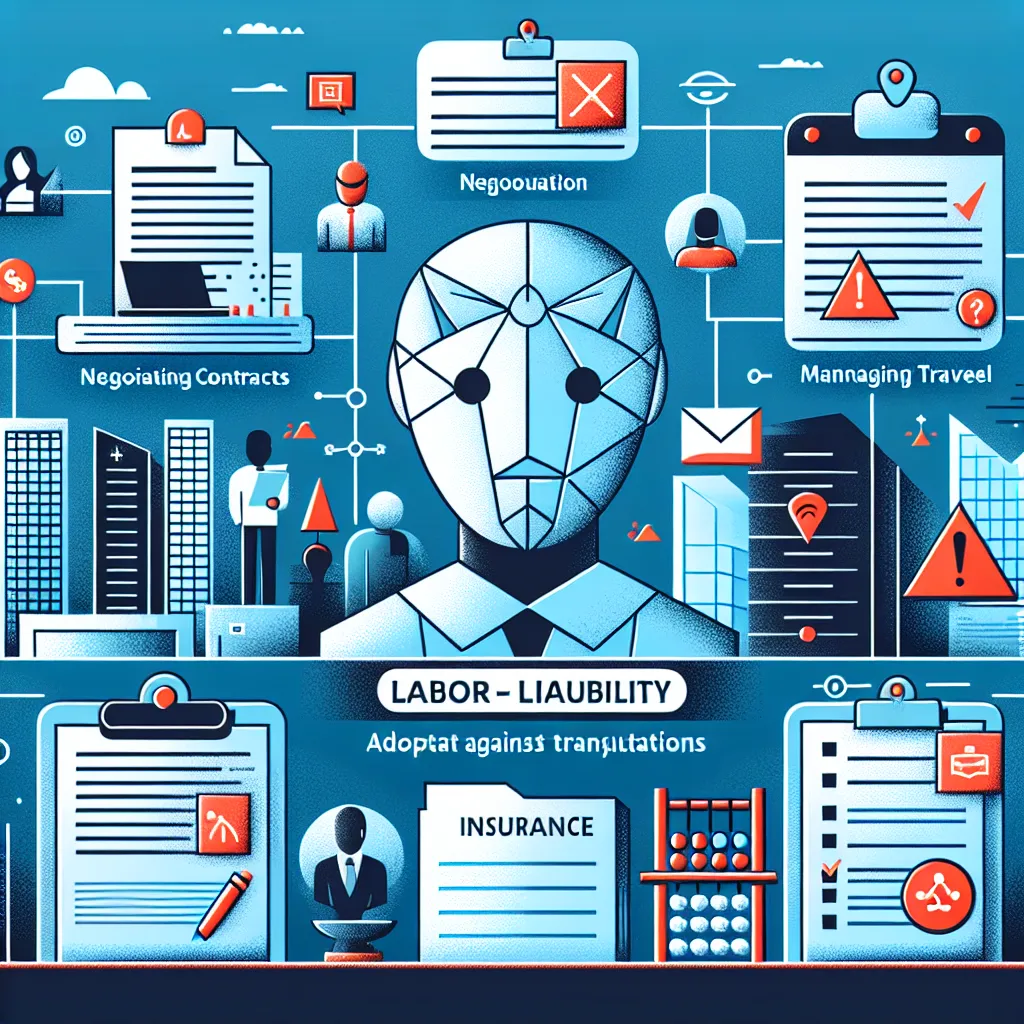
As AI agents take on tasks traditionally handled by humans—negotiating contracts, booking travel, managing accounts—they introduce a new category of risk: synthetic labor errors. Today’s liability insurance doesn’t cover AI-driven mistakes, like an agent filing the wrong tax document or triggering an unauthorized crypto transaction. Synthetic Labor Liability Insurance is a first-of-its-kind product that protects businesses from financial and reputational damage caused by autonomous software. This aligns with the trend of AI agents becoming transaction-capable, with companies like Stripe and Coinbase enabling agent wallets. As enterprises adopt agent-based workflows, there’s a massive gap in coverage. For example, a marketing agency using AI to run $50K ad campaigns could purchase a micro-policy that activates if the agent overspends, violates TOS, or uses copyrighted content—becoming the insurance layer for tomorrow’s autonomous workforce.
Description
No additional description provided.
The Pitch
As artificial intelligence continues to evolve, AI agents are increasingly taking on tasks traditionally handled by humans. These tasks include negotiating contracts, booking travel, and managing accounts. While this shift brings about significant efficiencies and cost savings, it also introduces a new category of risk: synthetic labor errors. Currently, most liability insurance policies do not cover mistakes made by AI, such as an agent filing the wrong tax document or accidentally triggering an unauthorized cryptocurrency transaction.
Synthetic Labor Liability Insurance (SLLI) emerges as a pioneering solution to this problem. This innovative product is specifically designed to safeguard businesses from the financial and reputational damage resulting from errors or malfunctions caused by autonomous software. The introduction of SLLI is particularly timely, as AI agents are becoming increasingly transaction-capable, with platforms like Stripe and Coinbase now enabling agent-managed wallets.
As more enterprises adopt agent-based workflows to enhance productivity, a significant gap in insurance coverage becomes evident. For instance, consider a marketing agency that utilizes AI to manage its advertising campaigns, which can involve budgets of up to tens of thousands of dollars. Such agencies could benefit from micro-policies that activate under specific circumstances, such as if the AI overspends, violates terms of service, or inadvertently uses copyrighted material. In essence, SLLI acts as a protective layer for the emerging autonomous workforce.
For those interested in developing and launching this insurance product as a minimum viable product, the following framework can be utilized:
1. Backstory: Highlight the rapid adoption of AI agents in various industries and the potential risks associated with their increased autonomy. Emphasize the need for a tailored insurance product that addresses these unique risks.
2. The Problem: Current liability insurance policies are not equipped to handle the unique errors and risks associated with AI agents, creating a vulnerability for businesses that use them.
3. The Solution: Developing Synthetic Labor Liability Insurance to cover errors made by AI, providing comprehensive protection against financial losses and reputational damage.
4. Product Details: Outline the specifics of the insurance coverage, including the types of errors covered (e.g., financial transactions, intellectual property violations) and the conditions under which the policy activates.
5. Tools for Launch: Utilize InsurTech platforms that offer APIs for quick integration with existing business tools. Leverage AI and machine learning for risk assessment and pricing models to tailor policies effectively.
6. Go-To-Market Strategy: Begin with sectors that are early adopters of AI, such as digital marketing, finance, and travel. Establish partnerships with AI platform providers (e.g., RPA vendors, cloud services) to offer value-added services. Implement a content marketing strategy to educate potential customers about the need for this new type of insurance.
7. Business Model: Adapt a subscription-based model with tiered levels of coverage. Offer customization options to allow businesses to tailor policies based on their specific AI usage and risk exposure. Evaluate partnerships with existing insurance carriers to leverage their distribution networks and customer bases.
Overall, Synthetic Labor Liability Insurance aims to address a pressing need in the face of growing AI deployment, providing businesses with the confidence to innovate and expand without the looming concern of unprotected risks.