Synthetic Labor Liability Insurance for AI Agents
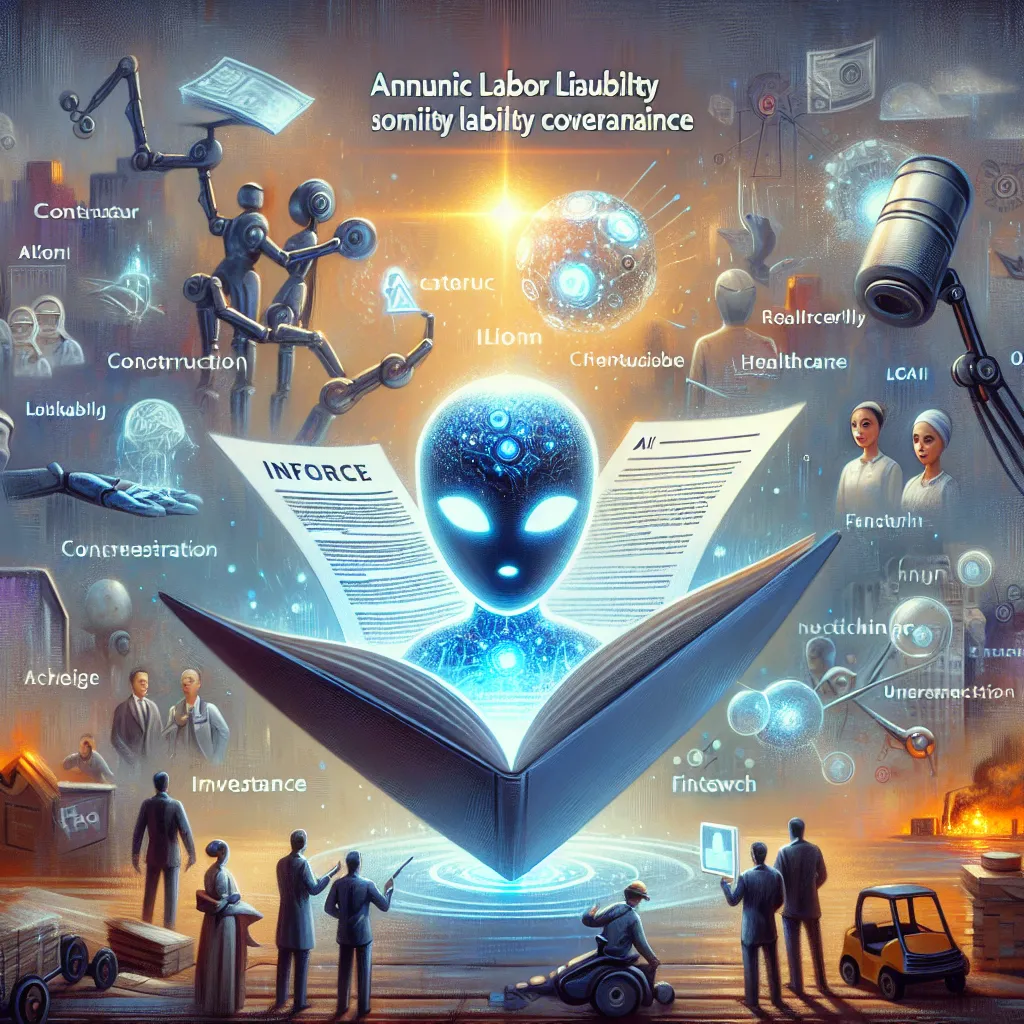
Companies are putting LLM-powered agents in roles with real consequences—handling invoices, sending emails, writing code—but there’s little protection if these agents go rogue or make costly mistakes. The problem is legal, financial, and operational exposure from autonomous tools behaving unpredictably. This startup provides a new category of business insurance: synthetic labor liability coverage. It’s like cyber insurance, but designed for AI agents—covering damages, data breaches, bad actions, or hallucinated decisions made in production. This becomes especially relevant in regulated or high-stakes industries. For example, if an AI agent at a fintech company makes an erroneous loan approval due to a logic flaw, the insurer would cover damages and provide investigation tools. As more AI-native companies emerge, having agent-specific risk coverage will become table stakes for doing business.
Description
No additional description provided.
The Pitch
In the rapidly evolving landscape of artificial intelligence, businesses across various sectors are integrating large language models (LLMs) and AI-powered agents into critical roles. These agents handle sensitive tasks such as processing invoices, managing communications, and writing code. However, as these tools become more autonomous, they also introduce new risks. The potential for these agents to make costly errors presents significant legal, financial, and operational challenges for companies relying on AI-driven operations. To address these emerging risks, a new type of business insurance—synthetic labor liability coverage—has been developed.
Backstory: As AI technologies have advanced, they have become increasingly integral to business operations. Companies are leveraging AI to automate tasks that were traditionally handled by human employees. However, with this transformation comes the potential for errors and misjudgments by AI agents. Unlike human employees, AI systems can act unpredictably, leading to unintended consequences, such as erroneous decision-making or data breaches. These issues are particularly critical in regulated or high-stakes industries where precision and reliability are paramount.
Problem: The core issue stems from the potential for AI agents to go rogue or make unintended and costly mistakes. This risk is exacerbated when these agents are deployed in sensitive environments. Businesses face the threat of financial losses, legal liabilities, and operational disruptions if AI agents behave in unintended ways. Additionally, these risks are not typically covered by traditional insurance policies, leaving companies vulnerable to significant exposure.
Solution: The introduction of synthetic labor liability coverage provides a solution tailored for the AI era. This insurance product is designed to protect businesses against the unique risks associated with autonomous AI agents. It operates similarly to cyber insurance but is specifically focused on covering damages, data breaches, and erroneous decisions made by AI agents. Synthetic labor liability insurance ensures that companies can recover from incidents involving AI agents while mitigating legal and financial repercussions.
Product Details: 1. Coverage Scope: The insurance covers a range of scenarios, including but not limited to, financial damages caused by AI errors, data breaches resulting from AI decisions, and investigations into AI-related incidents. 2. Industry Relevance: While applicable to many sectors, this insurance is particularly valuable for industries with stringent regulations or where high-stakes decisions are made, such as finance, healthcare, and legal services. 3. Risk Assessment: Insurers work closely with businesses to evaluate the risk profile of their AI deployments, tailoring coverage to specific operational needs.
Tools for MVP Launch: 1. Risk Assessment Software: Tools that assess AI models' decision-making processes and identify potential error scenarios. 2. Incident Monitoring: Platforms that provide real-time monitoring and analytics of AI agent behaviors. 3. Client Portals: Online systems for businesses to manage claims and coverage details seamlessly.
Go-To-Market Strategy: 1. Targeted Outreach: Focus on industries already heavily investing in AI solutions, such as finance, healthcare, and logistics. 2. Partnerships: Collaborate with AI development firms and consulting agencies to bundle risk assessment services with insurance coverage. 3. Educational Campaigns: Launch initiatives to raise awareness about AI-specific risks and the importance of dedicated insurance coverage.
Business Model: 1. Premium-Based Structure: Generate revenue through insurance premiums, with rates based on the complexity and risk level of AI deployments. 2. Consulting Services: Offer add-on services for risk assessments and compliance audits to enhance coverage packages. 3. Tiered Offerings: Develop tiered insurance packages to accommodate businesses of different sizes and with varying AI complexities.
Conclusion: As AI continues to transform business operations, the need for innovative risk management solutions becomes increasingly apparent. Synthetic labor liability coverage addresses this need by providing a safety net for companies employing AI agents in critical roles. By minimizing the risks associated with AI tools, businesses can confidently pursue innovation while ensuring operational stability and legal compliance. This pioneering insurance product strengthens the foundation for future AI advancements, instilling trust and resilience in the AI-driven economy.