Synthetic AI Teams: The Future of Startups
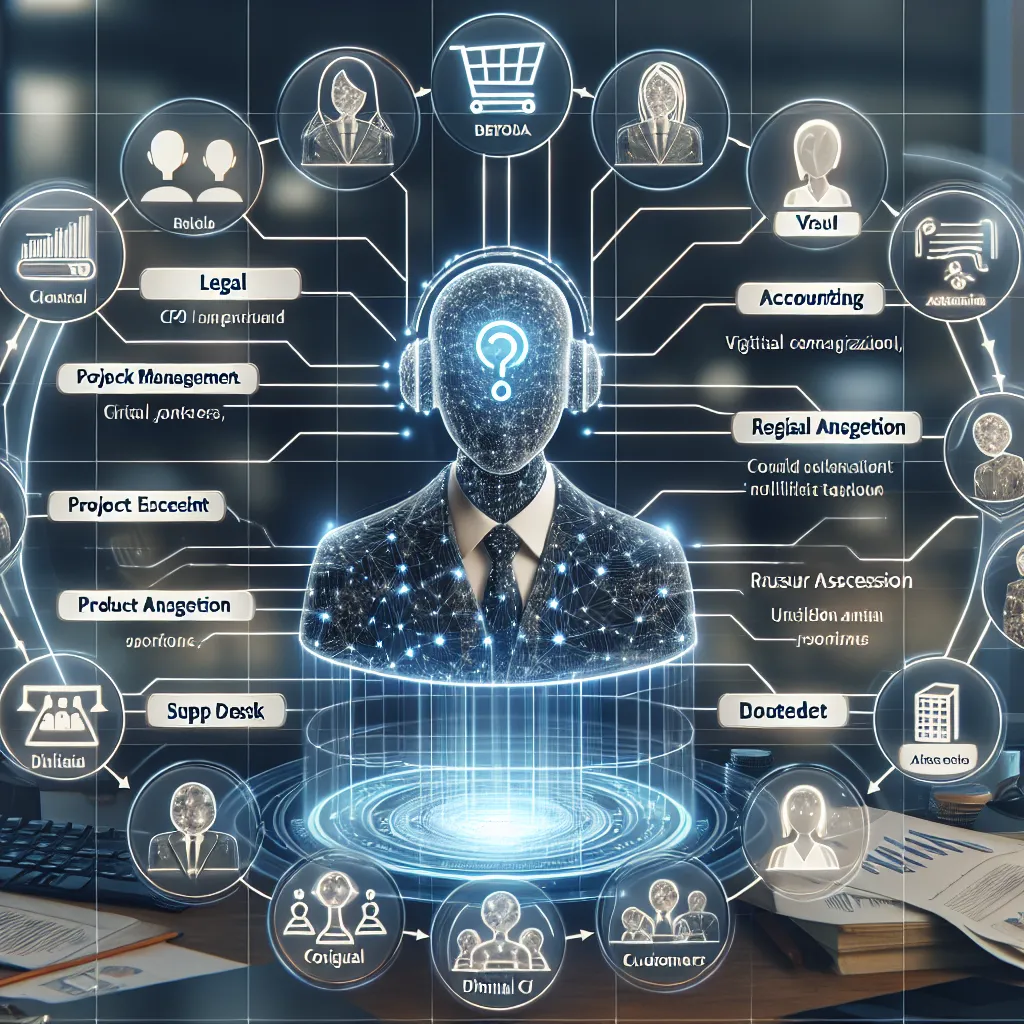
AI won’t just replace tasks—it will behave like an organization. The missing startup is a platform that auto-constructs synthetic teams: legal, accounting, project management, risk, customer success—each an agent that collaborates with others. Why now? LLMs now coordinate, not just generate. The software becomes the “company you hire” when you’re too small to build one. Imagine a founder signing up and instantly getting a virtual CFO, legal counsel, support desk, and product analyst that run the day-to-day. It’s talent without headcount.
Description
No additional description provided.
The Pitch
Imagine a world where businesses, regardless of size, have immediate access to a well-rounded, expertly coordinated team with no traditional hiring process. This concept could revolutionize the way startups and small businesses operate by providing a full suite of operational functions, each handled by a specialized AI agent. Such a platform could usher in a new era of efficiency and capability for businesses that are too small to maintain fully staffed departments.
Background The rapid advancement of Large Language Models (LLMs) and other AI technologies has shifted the landscape of task automation. In the past, AI focused on generating outputs from inputs. However, we've now transitioned into an era where AI can coordinate complex activities, effectively simulating the interplay found in traditional organizational teams. Businesses are currently limited by their ability to hire and manage diverse skill sets, particularly in their formative stages when they're constrained by budget and resources.
Problem Startups and small businesses face significant hurdles in building teams capable of handling the diverse functions necessary for success. From legal affairs and accounting to customer success, each of these areas requires specialized knowledge and coordination to ensure seamless operations. The challenges lie not just in the availability of talent but in the time, resources, and costs associated with building and maintaining such teams internally.
Solution The proposed platform offers an on-demand, AI-powered team that acts like a comprehensive organizational unit. This synthetic team includes AI agents dedicated to various business functions—legal, accounting, project management, risk management, and customer success, among others. Each agent operates within its domain, collaborating with others to drive business operations effectively.
Product Details The platform features a user-friendly interface where business owners can sign up and configure their synthetic team. Once set up, they'll gain access to:
- A virtual CFO to manage financial planning and analysis - A legal counsel agent to handle contract reviews and compliance checks - Project management tools powered by AI to allocate resources and monitor progress - Customer support AI that interfaces with customers, resolving queries and gathering feedback
The platform is designed to seamlessly integrate into existing business processes, allowing for easy data exchange and minimal disruption to current workflows.
Tools for MVP Launch To simplify the launch of this product as a Minimum Viable Product (MVP), the following technology stack and tools can be utilized:
- A robust LLM framework for the backbone of AI interactions and communication - Cloud infrastructure to ensure scalability and reliability - API integrations for linking with existing business applications (e.g., CRM, ERP systems) - User interface design tools to create an intuitive experience - Continuous learning systems to ensure AI agents remain knowledgeable and effective
Go-To-Market Strategy The go-to-market (GTM) strategy focuses on capturing early adopters, primarily startups and small businesses. Key components include:
1. **Targeted Marketing Campaigns** - Leverage digital marketing channels to reach tech-savvy entrepreneurs and small business owners. 2. **Partnerships and Alliances** - Collaborate with incubators and accelerators to introduce the platform to fledgling companies. 3. **Freemium Model** - Offer a basic version of the platform for free, with premium features unlocked through a subscription model. 4. **Customer Education and Support** - Provide resources such as tutorials, webinars, and a dedicated customer success team to aid adoption and demonstrate value.
Business Model The platform adopts a scalable subscription-based model, with tiered pricing that aligns with the size and specific needs of the business. Additional revenue streams may include:
- Transaction fees for specific high-value services (e.g., bespoke legal documents) - Integration fees for businesses that wish to customize how the platform interacts with their existing systems - Marketplace fees for third-party developers who can build supplementary tools and applications within the platform
Conclusion This platform represents a paradigm shift in how businesses can structure and operate their core functions. By providing on-demand, AI-coordinated capabilities, even the smallest company can leverage the power of a well-resourced enterprise, enabling them to focus on growth and innovation while leaving the operational complexities to their synthetic team.