Swipe-to-Learn Commerce Enhances Product Understanding
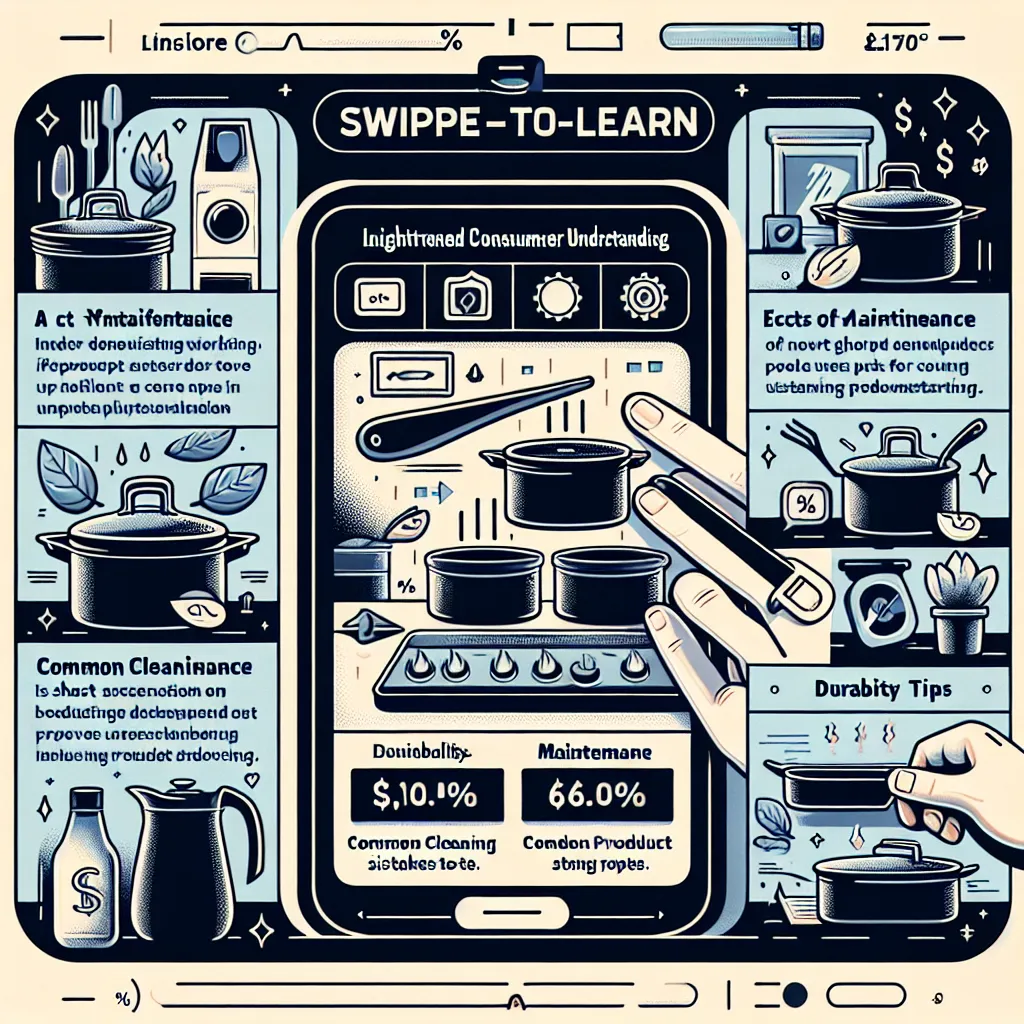
Product pages focus on persuasion while shoppers increasingly seek understanding. Swipe-to-learn commerce organizes user-generated knowledge into short, educational flows that explain how products are actually used, maintained, and misused. This works now because instructional content consistently outperforms promotional media. A cookware product teaches heat control, cleaning mistakes, and durability tips through peer-created slides, reducing returns and increasing confidence at purchase.
Description
No additional description provided.
The Pitch
In today's e-commerce environment, consumers are increasingly seeking deeper understanding and assurance before making purchase decisions. Traditional product pages, often laden with promotional content, fail to provide the experiential insights that shoppers crave. This gap presents an opportunity for building an innovative platform that leverages user-generated educational content to enhance the shopping experience.
**Backstory**
The rapid growth of online shopping has transformed the retail landscape. However, this digital shift has also led to a disconnect between consumers and the tangible experience typically provided by brick-and-mortar stores. Shoppers want to know how products are used, the potential pitfalls, and the practical benefits from real users rather than relying solely on manufacturers' promotional materials.
**Problem**
Current e-commerce platforms often emphasize persuasion over education, leading to a host of consumer pain points:
- Lack of authentic user experiences, resulting in skepticism about product claims. - High return rates due to unmet expectations and user errors. - Difficulty in understanding the practical utility and maintenance of the products. - An overreliance on customer reviews, which can be subjective and inconsistent.
**Solution**
Introducing a swipe-to-learn commerce platform designed to organize and harness user-generated knowledge into concise, educational flows. These flows offer insights into product usage, maintenance, and common mishaps. Such a platform can enhance consumer confidence, reduce return rates, and foster a community-based learning experience.
**Product Details**
- **Educational Flows**: Users can create and share slide-based insights on product usage, offering tips, tricks, and tutorials. - **Community-Driven Content**: Encourage a participatory community where active contributors are rewarded with incentives such as discounts or recognition. - **Interactive Interfaces**: Allow users to engage with the content via swiping, making it easy to absorb information quickly. - **Analytics Dashboard**: Provide sellers with insights into how their products are utilized, misused, and understood.
**Tools for Easy Launch**
- Use a no-code platform like Bubble or Webflow to quickly prototype and iterate the platform's user interface. - Incorporate existing tools such as Typeform or SurveyMonkey to gather user feedback. - Utilize platforms like Vimeo or YouTube for hosting video content while integrating tools like Loom for screen-recorded tutorials. - Implement AI tools like ChatGPT to generate and organize FAQs based on user interactions and common queries.
**Go-To-Market Strategy**
- **Beta Launch**: Begin with a closed group of influencers and community leaders within specific niches to seed quality content. - **Partnerships**: Collaborate with brands that can promote the platform through their existing customer base. - **Content Marketing**: Develop blog posts, tutorials, and video content showcasing the value of educational flows in reducing product-related anxiety. - **Social Media Engagement**: Leverage social platforms to highlight testimonials and case studies from users who found value in the educational flows.
**Business Model**
- **Freemium Model**: Offer basic features for free to users and content creators and charge for premium features like advanced analytics or higher content visibility. - **Subscription Services**: Introduce subscription tiers for brands and sellers who wish to access in-depth insights and promotional tools. - **Affiliate Marketing**: Generate revenue through affiliate partnerships by recommending related products based on user and content creator activity.
By bridging the gap between promotional content and consumer education, this platform aims to redefine the way shoppers interact with products online, creating a more informed, empowered, and satisfied customer base.