SwapScale: Smart Alternatives for Hesitant Shoppers
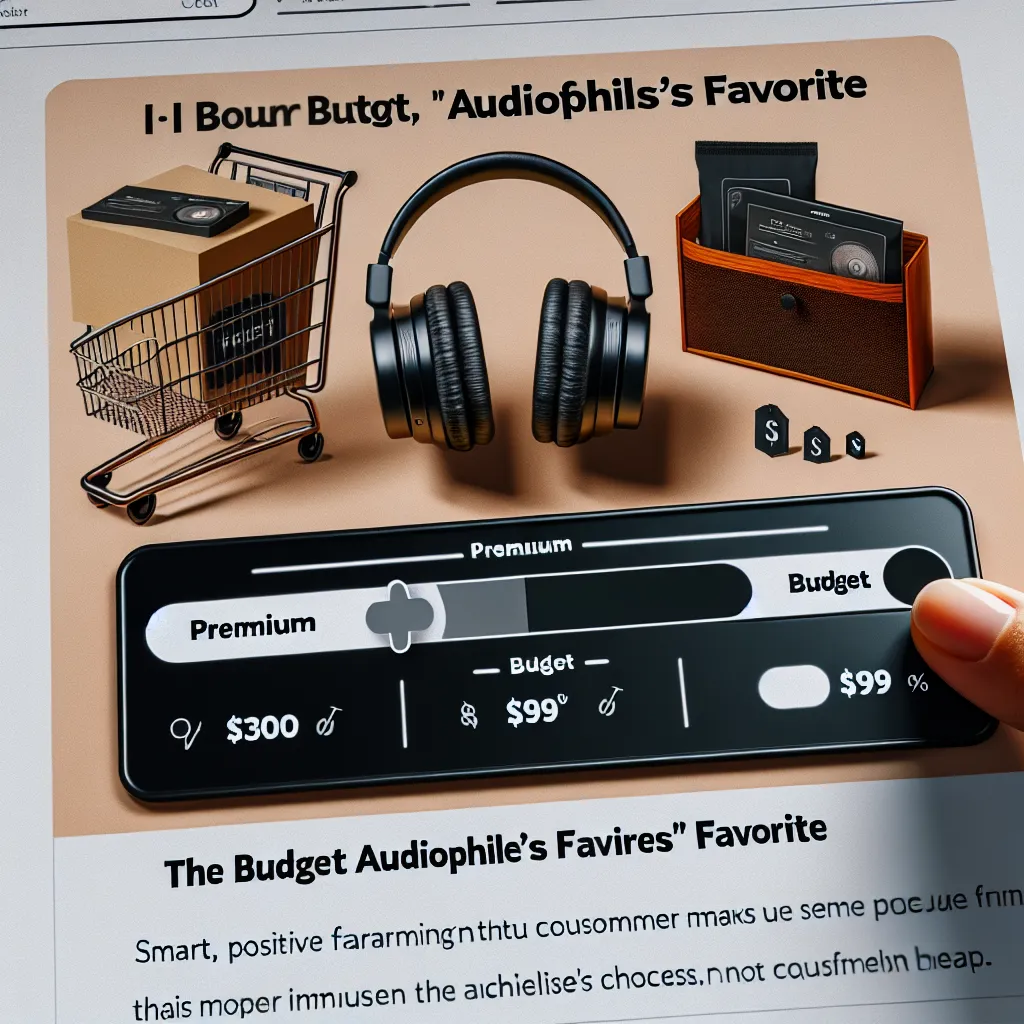
When shoppers second-guess a purchase, they often abandon carts rather than seek alternatives. SwapScale introduces a product-level UI that shows a scale from premium to budget, offering aspirational yet more affordable substitutes with clever, positive framing. Instead of saying “downgrade,” it offers “editor’s picks under $50” or “underdog alternatives.” With economic pressure high but social status still key, helping people feel smart—not cheap—matters. A shopper considering $300 headphones might happily choose a $99 pair featured as “the budget audiophile’s favorite,” reducing cart abandonment and keeping the customer in-funnel.
Description
No additional description provided.
The Pitch
In the ever-evolving world of eCommerce, cart abandonment remains a persistent hurdle for retailers. Customers frequently second-guess their purchases, leading to a significant loss of potential revenue as they abandon their carts. The main challenge here stems from the consumer's internal conflict between aspiration and practicality. Often, they struggle to balance desires for premium products with their budgetary constraints, resulting in a stalemate that ends with an empty cart.
Enter SwapScale, an innovative solution crafted to address this issue by subtly redirecting customers towards more affordable yet appealing alternatives without tarnishing the shopping experience. SwapScale introduces a dynamic product-level interface designed to guide customers through a curated scale ranging from premium to budget options. The UI uses positive framing, replacing potentially negative language like downgrade with more engaging terms such as “editor’s picks under $50” or “underdog alternatives.” This approach aims to maintain the shopper's self-esteem while aligning better with their economic needs.
Given the current climate where economic challenges are high but social identity remains crucial, shoppers value feeling intelligent and savvy rather than frugal. Imagine a scenario where a shopper considers purchasing $300 headphones. SwapScale might suggest the $99 alternative positioned as “the budget audiophile’s favorite,” making the option appealing and keeping the shopper engaged, therefore reducing cart abandonment rates.
Product Details and Tools:
- **User Interface/Experience**: Integrate a seamless UI that sits alongside product listings, showing the spectrum of options available from high-end to more budget-friendly choices, each with compelling descriptions and reviews.
- **Product Database**: Develop a comprehensive product database that catalogs alternatives based on quality, category, and pricing. Use algorithms to match products with likely substitutes that maintain perceived value.
- **Machine Learning Models**: Implement machine learning to predict potential abandonments and proactively present suitable alternatives based on user behavior and historical data.
- **CMS Integration**: Ensure compatibility with major eCommerce content management systems (CMS) such as Shopify, WooCommerce, and Magento for easy installation and functionality.
- **A/B Testing Tools**: Utilize platforms like Optimizely or VWO for testing different copy, layouts, and alternative choices to continuously enhance effectiveness.
- **Analytics and Feedback**: Collect data on conversion rates, time spent in funnel, and alternative selection metrics to iteratively refine suggestions.
Go-to-Market (GTM) Strategy:
1. **Partnerships with ECommerce Platforms**: Collaborate with platforms that can offer SwapScale as an integrated feature or an additional plugin to their merchants.
2. **Launch a Beta with Select Retailers**: Initiate a beta program with a few retailers to showcase real-time effectiveness, collecting testimonials and case studies.
3. **Influencer Campaigns**: Engage influencers in the tech and eCommerce spaces to demonstrate how SwapScale makes shopping more satisfying and affordable.
4. **Content Marketing and Webinars**: Produce educational videos, blog posts, and webinars to explain how SwapScale enhances shopping experiences and boosts sales for online stores.
Business Model:
- **Subscription-Based Pricing**: Offer tiered subscription plans for retailers based on the volume of transactions or number of listings they manage.
- **Commission on Conversion Increases**: Provide performance-based pricing where SwapScale earns a commission on additional sales generated through its suggestions.
- **Freemium Model**: Introduce a freemium model where basic features are free, with advanced analytics and customization options available on paid plans.
- **Enterprise Solutions**: Customizable solutions for large-scale retailers looking for personalized integrations and extended support.
In essence, SwapScale is created with the dual purpose of enhancing the user shopping experience while simultaneously boosting retailer conversion rates. By crafting a more intuitive and supportive shopping journey, it motivates consumers to make choices they're proud of without feeling financially compromised, thereby transforming how online shopping platforms retain and convert potential buyers.