Swappable Sodium Cartridges for Electric Planes
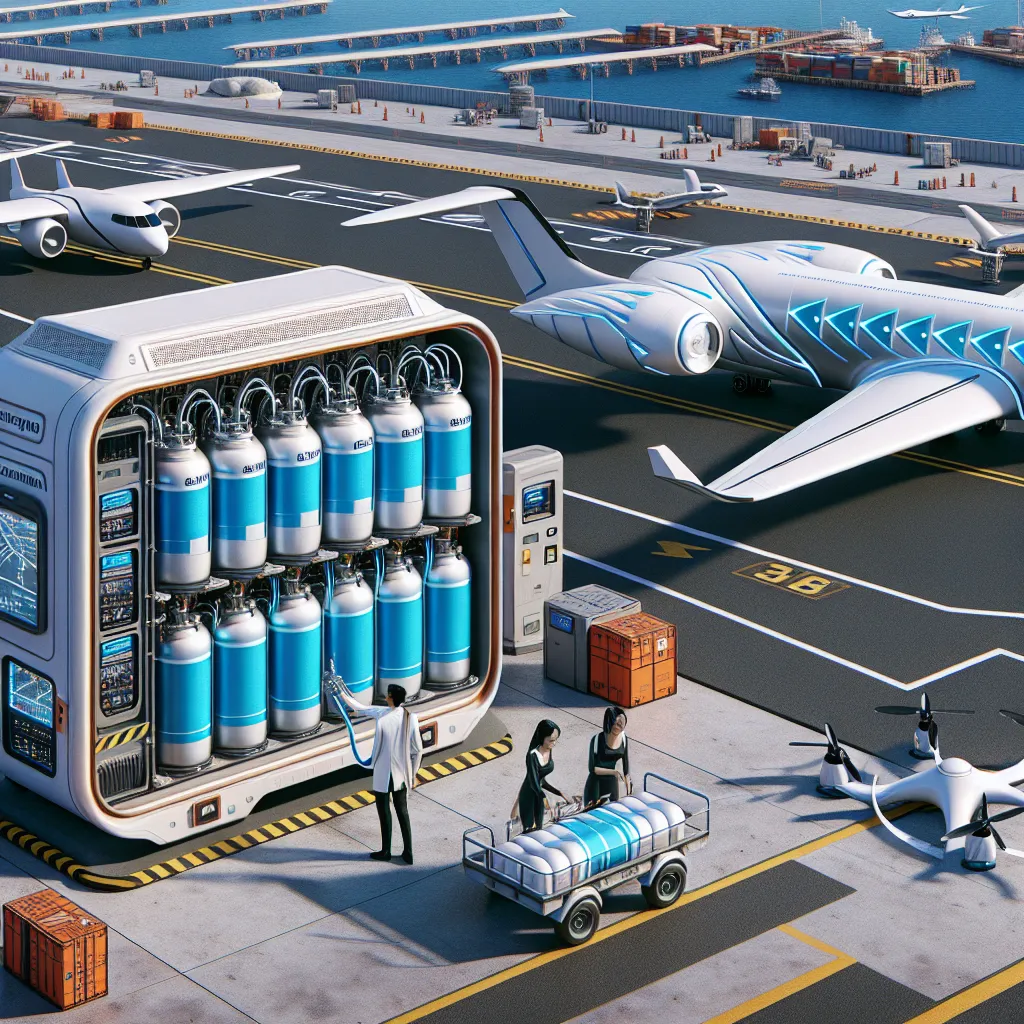
Electric planes need fast refueling options to become viable for commercial use. But today’s electric aircraft often face long recharge times or limited battery infrastructure. A startup could solve this by creating a network of standardized, swappable sodium fuel cartridges — think of it like propane tank exchanges, but for planes. Each cartridge would contain sodium-metal fuel, enabling quick pit stops instead of multi-hour recharges. The trend toward modular electric vehicle infrastructure (like swappable scooter batteries in Asia) supports this approach, and sodium’s energy density makes it ideal. This model also fits regional airports or drone hubs where full sodium fuel cell facilities aren’t yet built. Early traction could come from partnering with drone delivery networks or private air taxis in development.
Description
No additional description provided.
The Pitch
The aviation industry is undergoing a transformative shift toward sustainable energy solutions, with electric planes emerging as a promising alternative to traditional fuel-powered aircraft. However, one of the primary challenges facing electric aviation today is the inefficient refueling infrastructure. Electric aircraft often require lengthy recharge times, which can impede their commercial viability and operational efficiency. Furthermore, the current battery infrastructure is limited, making it challenging to support widespread adoption.
**Problem Statement**
The crux of the issue lies in the extended downtime needed to recharge electric planes, as well as the lack of a scalable infrastructure to support these recharge needs. This limitation affects the turnaround time for flights, operational costs, and ultimately, the growth of the electric aviation market. There is an urgent need for a solution that can provide fast and efficient refueling options to support the growing demand for electric aircraft.
**Solution Overview**
Introducing a novel concept: a network of standardized, swappable sodium fuel cartridges designed specifically for electric planes. This innovative solution draws inspiration from the model of propane tank exchanges but tailored for the aviation industry. Each cartridge is equipped with sodium-metal fuel, allowing aircraft to make quick pit stops to swap cartridges instead of enduring multi-hour recharge periods.
Sodium offers several benefits as a fuel source, including high energy density and abundance, making it an ideal choice for electric aviation. The concept aligns with the increasing trend toward modular electric vehicle infrastructure, as seen with swappable battery systems used in scooters and other small electric vehicles in Asia.
**Product Details**
The swappable sodium fuel cartridge system would function as follows:
1. **Standardization:** Develop a universally compatible cartridge design that fits a wide range of electric aircraft models.
2. **Quick Exchange Process:** Design an intuitive and time-efficient swapping process that minimizes aircraft downtime.
3. **Strategic Deployment:** Establish cartridge exchange stations at regional airports and drone hubs, particularly where full sodium fuel cell facilities have yet to be developed.
4. **Capacity:** Ensure each cartridge has sufficient energy capacity to provide a meaningful range extension for the aircraft.
5. **Safety and Compliance:** Prioritize safety in the design and deployment process, adhering to industry regulations and standards.
**Tools for MVP Launch**
To build a minimum viable product, consider leveraging the following tools and strategies:
- **Prototyping Tools:** Use rapid prototyping tools to design and test cartridge designs and swapping mechanisms.
- **Partnerships:** Collaborate with electric aircraft manufacturers to ensure compatibility and gather feedback during the development phase.
- **Infrastructure Software:** Implement cloud-based solutions to manage inventory, track cartridge usage, and optimize swapping station operations.
**Go-to-Market Strategy**
The go-to-market (GTM) strategy should focus on building early traction and credibility. Consider the following approaches:
1. **Pilot Programs:** Initiate pilot projects with drone delivery networks and developing private air taxi services to gather data, refine the system, and demonstrate efficacy.
2. **Strategic Alliances:** Form partnerships with regional airports and industry players to expand the swapping network and drive adoption.
3. **Thought Leadership:** Engage in industry forums and conferences to position the company as a pioneer in electric aviation refueling solutions.
4. **Targeted Marketing:** Focus on niche segments within the aviation industry that are early adopters of electric technologies.
**Business Model**
The business model could include:
- **Subscription Plans:** Offer flexible subscription-based models for access to cartridge exchanges and infrastructure use.
- **Pay-Per-Swap:** Implement a per-swap pricing model for customers who prefer usage-based payment.
- **Leasing Options:** Provide leasing opportunities for regional airports and drone hubs to host swapping stations.
By addressing the critical need for efficient refueling in electric aviation, the swappable sodium fuel cartridge network represents a compelling opportunity to accelerate the adoption of sustainable aviation technologies.