Sustainable Queue System for Greener Shipping
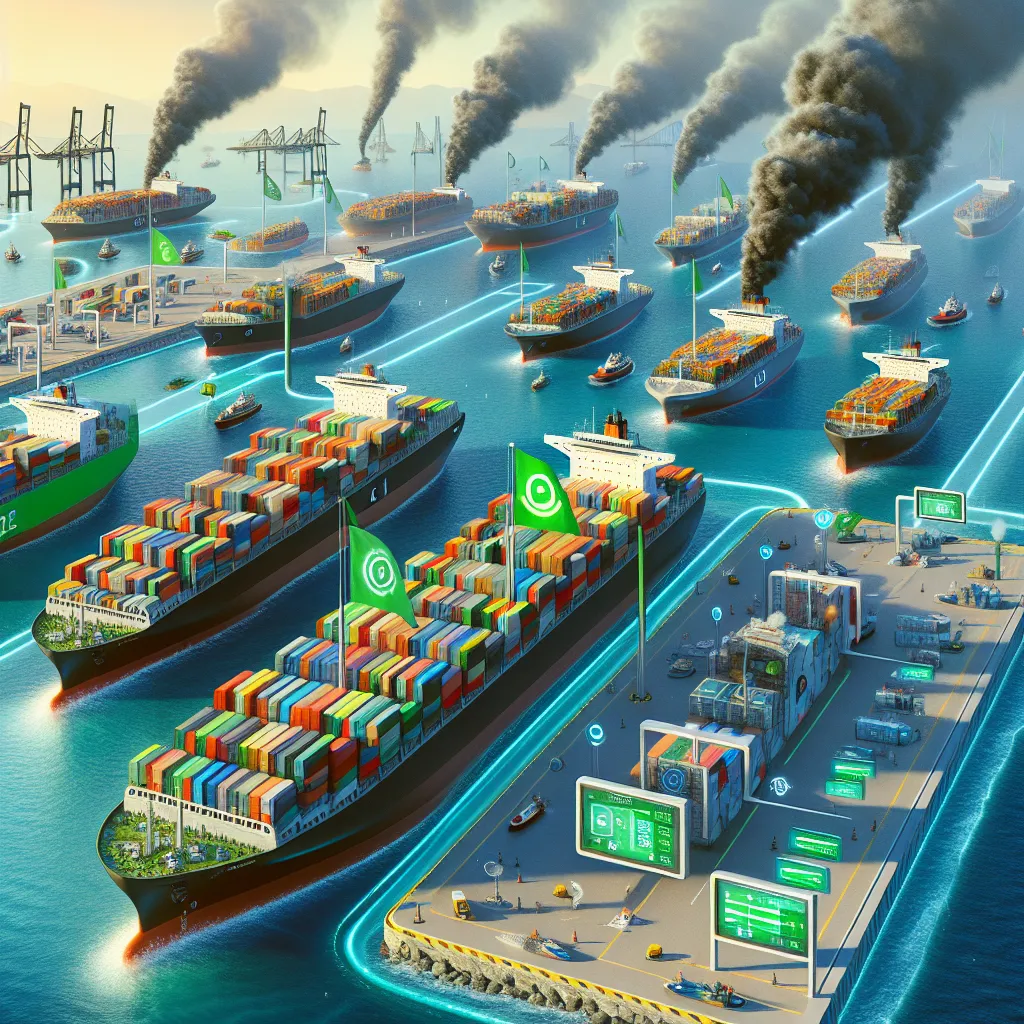
Maritime chokepoints like the Panama Canal, Suez Canal, and congested ports worldwide cause ships to idle for days, wasting fuel and emitting huge amounts of CO₂. Yet queuing today is based on first-come, first-served or auction-style systems, not sustainability. A sustainable ship queue marketplace would allow ports and canals globally to prioritize ships based on carbon efficiency, offering incentives for greener vessels while reducing emissions. As international shipping faces mounting pressure to decarbonize, a dynamic, sustainability-weighted queuing system could radically improve environmental outcomes. Imagine every major port — from Rotterdam to Singapore — using this system to reward greener fleets and reduce port congestion emissions simultaneously.
Description
No additional description provided.
The Pitch
In recent years, the maritime industry has come under increasing scrutiny due to its significant carbon footprint. Key maritime chokepoints, such as the Panama and Suez Canals, along with congested ports worldwide, often force ships to idle for days. This idling results in vast quantities of wasted fuel and contributes massively to global CO₂ emissions. Currently, ships queue based on traditional systems like first-come, first-served or auction-style processes, which largely ignore environmental considerations. This presents an opportunity to innovate and create a more sustainable maritime infrastructure.
Backstory
The issue of emissions from idling ships has long been a topic of discussion among environmentalists and industry experts. With the increasing urgency to combat climate change, the maritime industry faces pressure to decarbonize. Traditional queuing systems at ports and canals fail to incentivize greener practices or recognize ships for their carbon efficiency, thus missing a crucial opportunity to reduce emissions at scale.
Problem
The main problem revolves around the inefficiencies and environmental impact of current queuing systems at maritime chokepoints and ports. Ships burning fuel while waiting release significant CO₂, contributing to the industry’s carbon footprint. Current systems do not motivate shipping companies to enhance their carbon efficiency, nor do they reward greener fleets.
Solution
The solution lies in developing a sustainable ship queue marketplace. This marketplace would prioritize ships based on their carbon efficiency instead of just arrival times or monetary bids. By integrating sustainability metrics into queuing priorities, ports and canals can incentivize greener vessels, encouraging shipping companies to invest in cleaner technologies and reduce overall emissions.
Product Details
The proposed solution involves creating a digital platform that acts as a dynamic queuing system for ships. The platform would assess ships based on their carbon efficiency and environmental performance. Features of this platform would include:
- Real-time assessment of ships’ carbon data, using sensors and granted metrics from international shipping standards. - Integration with existing port and canal systems for seamless operation. - Incentive structures such as reduced waiting times for greener ships. - A reporting dashboard that provides insights into emissions saved and efficiency gained for both ships and ports.
Tools for MVP Development
To bring this idea to life, the following tools and technologies would be essential for developing a minimum viable product (MVP):
- IoT sensors to track and report emissions data from ships in real time. - Cloud-based software development platforms for building the digital marketplace. - APIs that integrate with existing maritime traffic management systems. - Machine learning algorithms to continuously improve the sustainability assessments and incentives offered. - Blockchain technology for secure and transparent data sharing between stakeholders.
Go-To-Market Strategy
A successful go-to-market strategy would involve:
- Partnering with major ports and canal authorities to pilot the system. - Collaborating with environmental organizations to validate sustainability metrics. - Garnering support from the maritime industry by showcasing potential cost savings and reputational benefits. - Launching marketing campaigns that highlight the platform’s positive impact on reducing emissions.
Business Model
The business model could be based on a subscription service or usage fees for ports and shipping companies. Additionally, offering premium features, such as detailed analytics reports and sustainability certifications, could provide additional revenue streams. Partnerships with green certification bodies could enhance the value proposition, aligning economic incentives with environmental outcomes.
Conclusion
By reimagining maritime queuing systems with sustainability at the forefront, this innovative marketplace can significantly reduce port congestion emissions while rewarding ships for greener practices. This solution not only addresses the maritime industry's current environmental challenges but also sets the stage for a more sustainable future.