Sustainability Toolkit for DTC Brands' Supply Chain
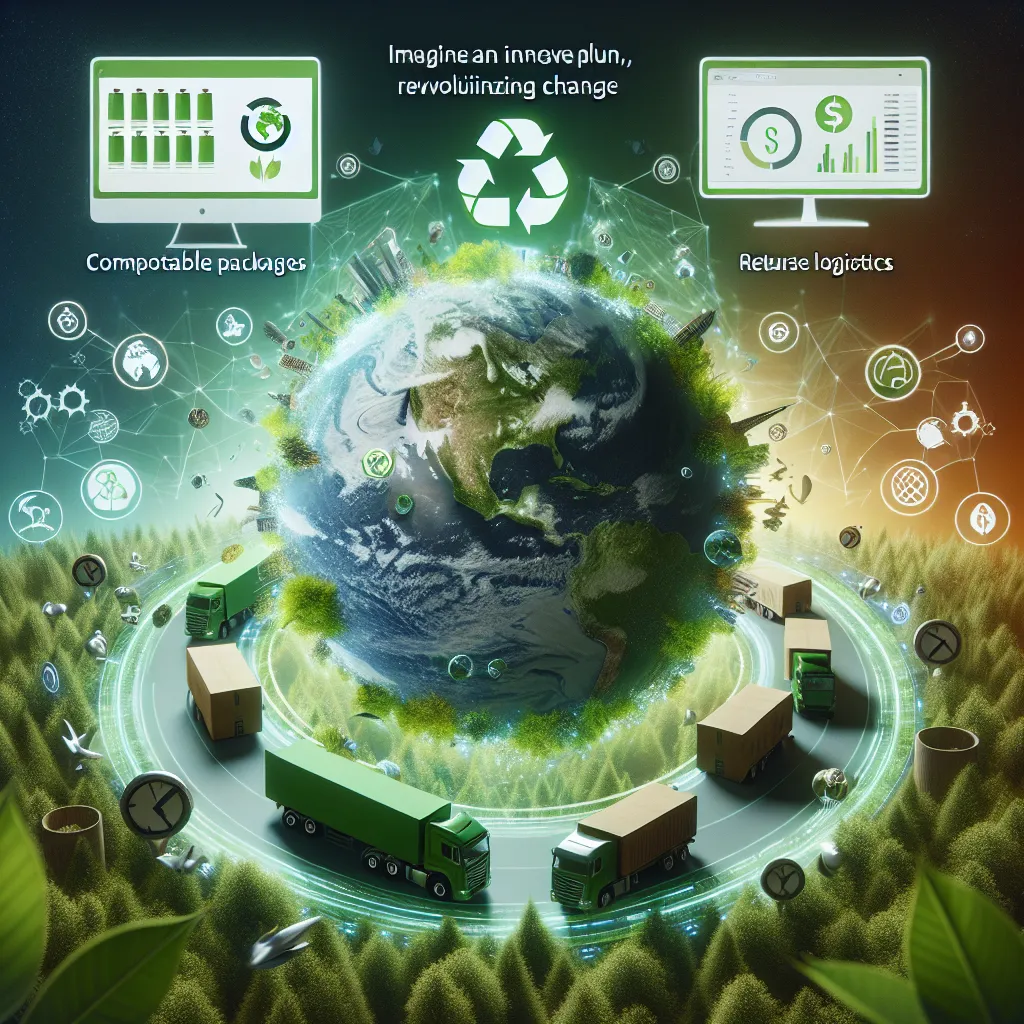
Direct-to-consumer brands want to adopt sustainable practices but don’t have the resources to redesign their supply chain. This startup offers a plug-and-play toolkit that replaces traditional packaging and shipping partners with zero-waste alternatives: compostable packaging, reverse logistics for returns, and carbon-neutral delivery partners. Think Shopify plug-in, but for sustainability, with real-time dashboards and pre-vetted partners.
Description
No additional description provided.
The Pitch
In recent years, there has been a growing awareness and concern about the environmental impact of retail operations, particularly within the direct-to-consumer (DTC) space. Many of these brands, established as disruptors in their respective markets, wish to align more closely with sustainable practices but find themselves hampered by limited resources and expertise in overhauling their supply chain.
Traditionally, sustainability initiatives require significant investment in time, research, and funds, placing them out of reach for smaller or newer brands. Many DTC companies are driven by lean teams that prioritize brand, product, and marketing, leaving little bandwidth for supply chain innovation. Yet, with consumers increasingly demanding eco-friendly practices, these companies face mounting pressure.
**Problem:**
The primary challenge is the lack of resources and knowledge for DTC brands to seamlessly transition to sustainable operations. Current supply chain practices are deeply ingrained, and altering them demands a comprehensive understanding of the ecosystem, vetting new partners, and ensuring quality and cost-efficiency – tasks that are daunting without dedicated teams.
**Solution:**
Introducing an innovative plug-and-play toolkit that empowers DTC brands to adopt sustainable practices with minimal disruption. This solution offers a suite of pre-integrated options to replace traditional packaging and shipping practices with sustainable alternatives, without the need for extensive internal reengineering.
**Product Details:**
1. **Compostable Packaging:** Options for replacing conventional shipping materials with biodegradable and compostable alternatives, reducing waste and environmental impact.
2. **Reverse Logistics for Returns:** A streamlined process for managing product returns in an eco-friendly manner, ultimately minimizing the carbon footprint.
3. **Carbon-Neutral Delivery Partners:** Connect to a network of delivery services committed to carbon-neutral operations, allowing brands to offer environmentally responsible shipping.
4. **Real-Time Dashboards:** Access to analytics and dashboards to track the environmental impact reductions achieved through the use of sustainable options, enabling brands to tangibly measure their contributions to sustainability.
5. **Pre-Vetted Partners:** Pre-selected and thoroughly vetted partner network, ensuring reliability and cost-effectiveness while maintaining high standards of sustainability.
**Tools for Easy MVP Launch:**
- **Shopify App Integration:** Seamlessly integrate with existing e-commerce platforms like Shopify to streamline the transition. - **APIs for Automation:** Utilize APIs to automate the integration of new partners into the existing supply chain. - **User-Friendly Onboarding:** Simplified onboarding process with dedicated support to assist brands in their transition.
**Go-To-Market Strategy:**
1. **Market Education:** Develop content that illustrates the economic and environmental benefits of adopting sustainable practices, targeted at decision-makers within DTC brands.
2. **Partnerships with E-Commerce Platforms:** Collaborate with leading e-commerce platforms to position the toolkit as an essential add-on for brands aiming to enhance sustainability.
3. **Early Adopter Program:** Launch an early adopter program offering discounts or incentives for brands that choose to integrate during the initial phase.
4. **Social Proof through Case Studies:** Develop case studies with early users to showcase real-world benefits and successes, creating credibility and interest.
**Business Model:**
Adopt a subscription-based model that provides recurring revenue while offering flexibility to brands. Pricing tiers can be structured based on the volume of transactions, the range of services used, or a flat fee for unlimited access to sustainable solutions. Additional revenue can be generated through consultancy services for tailored sustainability strategies.
This strategy can create a compelling pathway for DTC brands to transition into sustainable practices efficiently, aligning their operations with the growing consumer demands while fostering a significant positive impact on the environment.