Surge Infrastructure Insurance for Concert Challenges
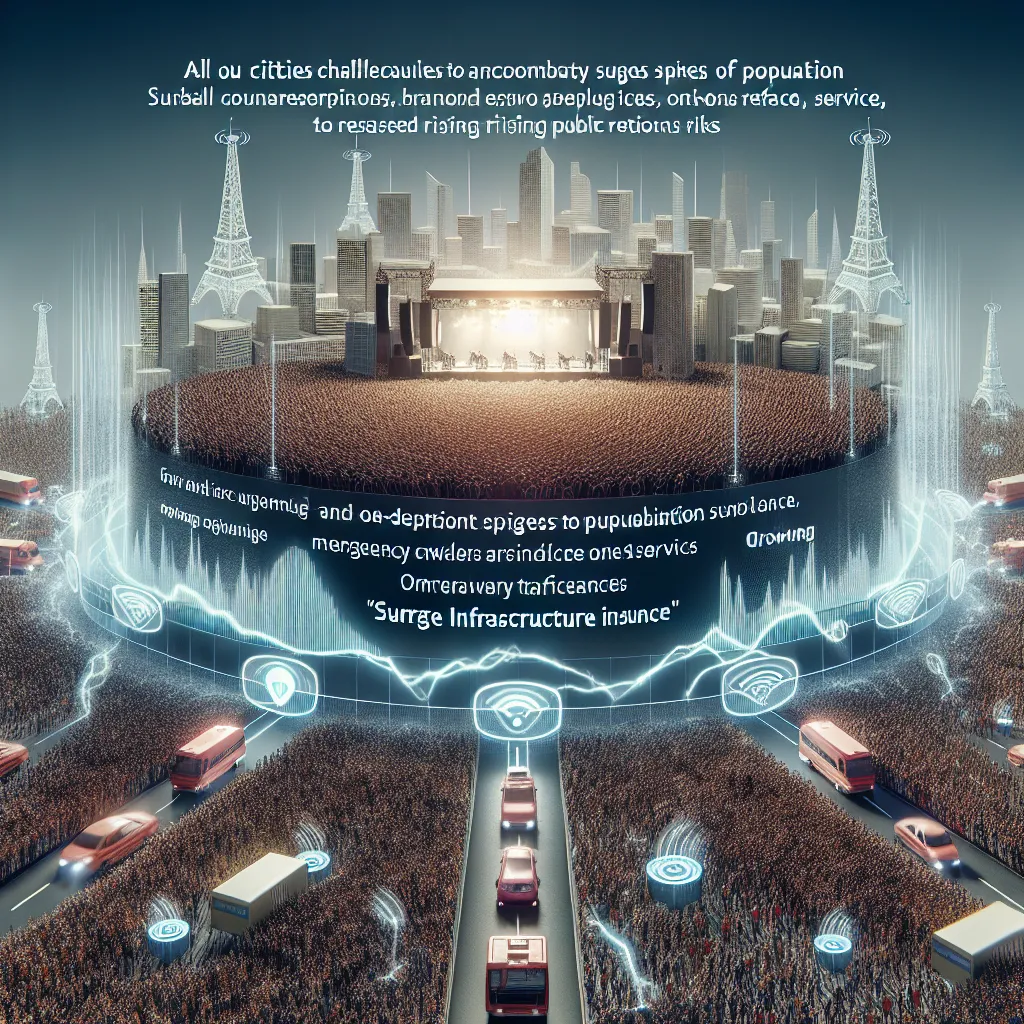
Massive concerts cause surge failures — overloaded cell towers, traffic jams, emergency service bottlenecks — but cities and venues have little recourse or preparation. Solution: a specialized “surge infrastructure insurance” — combining predictive analytics and pop-up mitigation services like mobile towers and on-demand emergency crews, triggered based on ticket sales. Why now? Tours are bigger and more frequent, but cities aren’t built for temporary 2X population spikes. Safety and PR risks are rising. Example: For Ed Sheeran’s record-setting stadium stop, insurers provide temporary traffic routing systems and mobile 5G towers, ensuring fan safety and smooth logistics.
Description
No additional description provided.
The Pitch
In recent years, the live events industry has experienced unprecedented growth. Artists and bands embark on global tours more frequently and at a grander scale, often attracting massive crowds to single events. However, with the popularity of these large-scale concerts, cities and venue operators are facing significant challenges related to infrastructure and public safety. The sudden influx of attendees can double or even triple the local population temporarily, leading to various logistical and safety issues.
Problem Statement
The primary challenges faced during these events include:
- Overloaded cellular networks, leading to communication failures. - Severe traffic congestion, hindering access to emergency services. - Bottlenecks in emergency service response due to overwhelmed systems. - Increased risk of accidents and incidents due to crowd management issues.
These complications not only create safety risks for attendees but also lead to negative media coverage and potential legal liabilities for event organizers and city officials.
Proposed Solution
To tackle these issues, the introduction of a specialized service termed Surge Infrastructure Management is proposed. This service would combine predictive analytics with deployable mitigation resources to proactively manage the challenges associated with large-scale concerts.
The key components of this solution include:
1. Predictive Analytics Platform: Utilizes data from ticket sales, historical event data, and weather forecasts to estimate infrastructure demand and potential surge points.
2. Deployable Mitigation Services: - Mobile Cellular Towers: Temporary installation of 5G towers to enhance network coverage and prevent communication breakdowns. - Traffic Management Solutions: Dynamic traffic routing systems and additional signage to manage increased vehicle flow efficiently. - On-demand Emergency Services: Pre-arranged contracts with emergency service providers to ensure adequate personnel and equipment are available.
Product Details
The proposed service would be subscription-based, tailored to the specific needs of event organizers and municipalities. Key features would include:
- A real-time dashboard for monitoring expected surges and resource allocation. - Customizable service packages focusing on different aspects, such as cellular network support or emergency services provisioning. - 24/7 support from surge management experts during event days.
Tools for MVP Launch
Developing this venture into a Minimum Viable Product (MVP) can be streamlined using a suite of readily available tools and resources:
- Data Analytics Platforms: Utilizing software like Tableau or Power BI for building the analytics dashboard. - Mobile Network Providers: Partnering with companies such as AT&T or Verizon for mobile tower services. - Traffic Management Companies: Collaborating with firms specializing in traffic control solutions. - Emergency Service Vendors: Forming alliances with local EMS providers for rapid deployment.
Go-To-Market Strategy
The initial phase of the GTM strategy would involve deep market research to identify key pain points for potential customers. Building strategic partnerships with existing players in event management and municipal planning will also be crucial.
- Target Market: Large event organizers, city councils, and stadiums hosting major concerts. - Marketing Channels: Focus on industry conferences, digital marketing (e.g., LinkedIn ads), and webinars showcasing case studies and success stories. - Relationship Building: Engage with influencers and associations within the live events industry for networking and awareness.
Business Model
The business model would be subscription-based, with tiered pricing tailored to the scale and requirements of each event. Long-term contracts with cities and venue operators would also be explored, providing stable revenue streams.
Additionally, performance-based pricing could be incorporated, where lower fees are charged in exchange for a share of the financial benefits of a successful event (e.g., reduced insurance premiums or fewer legal claims).
By addressing the critical infrastructure challenges associated with large-scale events, the proposed surge management service aims to enhance safety, improve logistical efficiency, and ultimately deliver a superior experience for both event organizers and attendees.