Suburban Triathlon
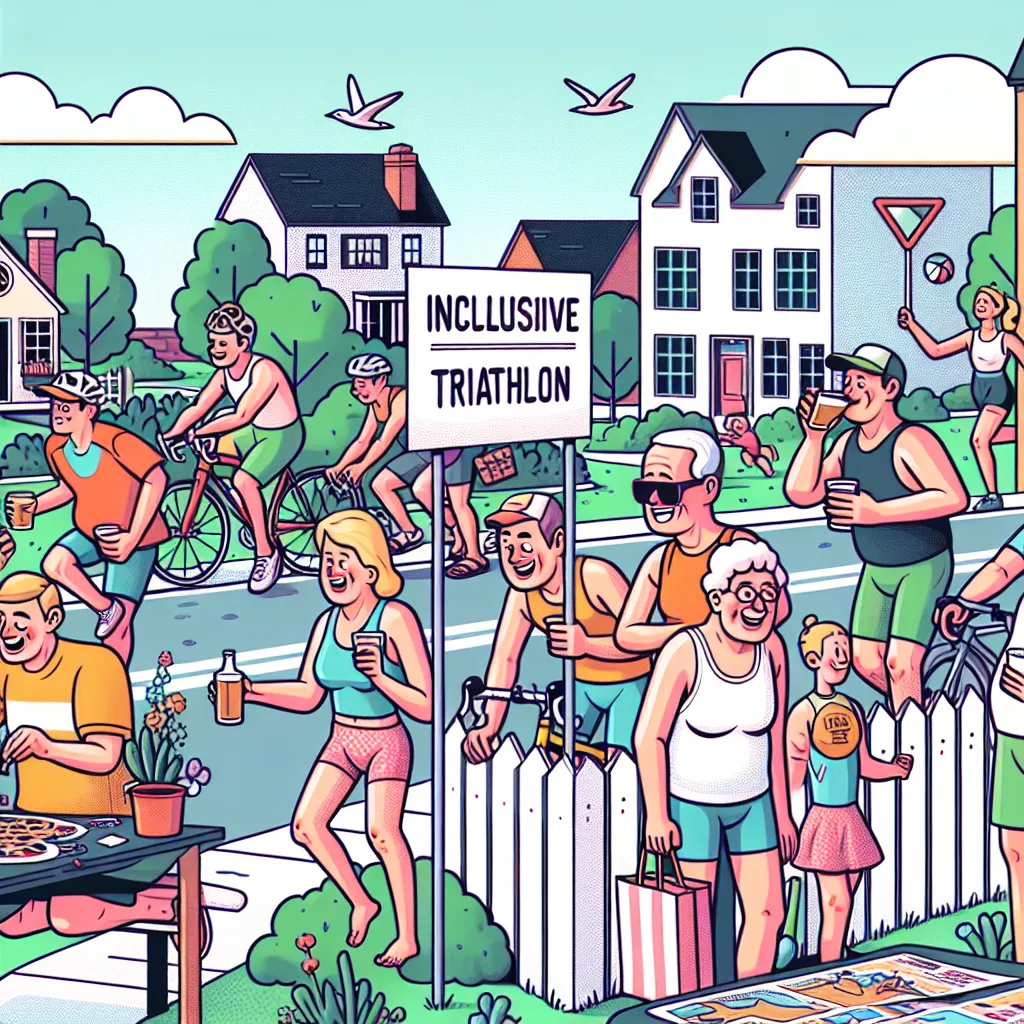
Suburban Triathlon that offers a lighthearted, inclusive alternative to traditional endurance events. With a mix of walking, drinking, and casual sports, it caters to non-athletic individuals looking for a fun, social experience. The GTM strategy focuses on local partnerships, humorous branding, and strong community engagement. Revenue streams include entry fees, sponsorships, and merchandise sales. The event has potential for national expansion and could grow into a movement for alternative fitness activities, appealing to those who want the social aspect of a triathlon without the intense physical challenge.
Description
No additional description provided.
The Pitch
Traditional endurance events like triathlons and Ironman competitions have become synonymous with fitness, pushing participants to the limits of human capacity. However, not everyone is looking for extreme physical challenges. There’s a large demographic of casual athletes and non-athletic individuals seeking less intimidating, social, and fun activities that still have an element of fitness but also prioritize leisure and community engagement. This group is currently underserved by conventional fitness events.
The “Suburban Triathlon” is a new take on the triathlon format that combines walking, drinking, and casual sports such as golf, pickleball, or darts. It’s designed to be lighthearted and entertaining, catering to individuals who want to participate in an "Ironman-style" event without the grueling physical demands. The event could be branded humorously, focusing on the irony of a “triathlon” that includes activities like bar hopping or playing mini-golf, appealing to people looking for an enjoyable day out rather than a serious competition.
2. Problem & Solution
Problem: Current endurance events alienate a large portion of the population who might want to join social events but find traditional athletic competitions too intense or unappealing. Solution: Create an inclusive event that blends light exercise, social interaction, and leisure. The Suburban Triathlon would feature short-distance walking, a couple of drinks at a bar, and a casual sport like 9-hole golf or pickleball. This format enables people of all fitness levels to participate, making it more about community and fun rather than athletic achievement.
3. Product Strategy
Event Format: The Suburban Triathlon could consist of:
Leg 1: Walking – Start with a 1-mile leisurely walk through a scenic route or suburban neighborhood.
Leg 2: Bar Stop – Include a 30-minute stop at a local bar or café for participants to socialize and have a drink.
Leg 3: Casual Sport – Conclude with a few holes of golf, a quick pickleball match, or a round of cornhole. Participants can choose their preferred activity, making the event more accessible.
Branding & Marketing: Position the event as a “fitness experience for everyone.” Use playful branding like “The Lazy Man’s Ironman” or “Triathlon for People Who Hate Triathlons” to emphasize the relaxed nature of the event. This will attract a wide audience, especially those who might feel intimidated by typical fitness events.
Local Partnerships: Partner with local bars, restaurants, golf courses, and sports clubs to host different legs of the event. In return, these partners can offer discounts to participants, making the event mutually beneficial and building local community support.
4. Go-to-Market Strategy (GTM)
Target Audience: Focus on young professionals, adults in their 30s and 40s, and middle-aged participants who enjoy social events but shy away from intense fitness challenges. Market to corporate teams, social clubs, and groups of friends looking for unique weekend activities.
Launch Strategy: Begin with a pilot event in a suburban area known for its community focus and local businesses. Promote the event through social media ads, local radio, and partnerships with neighborhood associations.
Social Media Marketing: Showcase the event’s playful and inclusive nature using humorous content, participant testimonials, and influencer partnerships. Encourage participants to share their experiences on Instagram and TikTok to build organic awareness.
Community Engagement: Build a strong online presence with a dedicated website and social media pages where participants can register, discuss future events, and suggest new activities. Run polls to involve the community in choosing new activities for upcoming events.
5. Business Model
Revenue Streams:
Entry Fees: Charge a modest fee (e.g., $30-$50) to participate in the triathlon. Sponsorships & Partnerships: Collaborate with local businesses and national brands for sponsorship opportunities. Bars and restaurants could offer drinks and food for free or at a discount in exchange for exposure. Merchandise: Sell branded T-shirts, caps, and other memorabilia that play up the event’s humorous, relaxed nature. Corporate Packages: Offer team-building packages for companies looking to sponsor employee participation or host private events. Pricing: Keep entry fees low to encourage broad participation. Bundled corporate packages could range from $500 to $1,500 depending on the size of the team and the number of activities included.
6. Scale & Expansion
Multi-City Expansion: Once successful in one city, expand to other suburban areas or even urban neighborhoods looking for unique social events. Each city’s event could have a unique twist (e.g., wine tasting in Napa Valley, taco crawls in Austin). Franchise Model: Offer franchise opportunities to local entrepreneurs who want to bring the Suburban Triathlon to their city. Provide a toolkit that includes branding, operational guides, and marketing strategies. Themed Events: Introduce variations like “Holiday Suburban Triathlons” (with holiday-themed activities) or a “Summer Series” (beach games and BBQ stops). This will keep the format fresh and attract repeat participants. 7. Risks & Mitigation
Regulatory Compliance: Given the inclusion of alcohol, ensure all events comply with local regulations and obtain necessary permits. Collaborate closely with local authorities to ensure safety. Liability Concerns: Use liability waivers and provide insurance coverage to protect against potential incidents, especially if alcohol and physical activities are involved. Maintaining Interest: The novelty factor could wear off over time. Continuously innovate by introducing new activities, partners, and themes to keep the event exciting and engaging. 8. Future Vision
The Suburban Triathlon could evolve into a nationwide movement, creating a new genre of social fitness events. The company could launch an app where participants can track their “achievements” (e.g., number of events completed), find nearby events, and interact with the community. Over time, the brand could expand to include other relaxed but social fitness challenges, making it the go-to event organizer for alternative fitness activities.