StubScore: Trustworthy Ticket Resales Made Easy
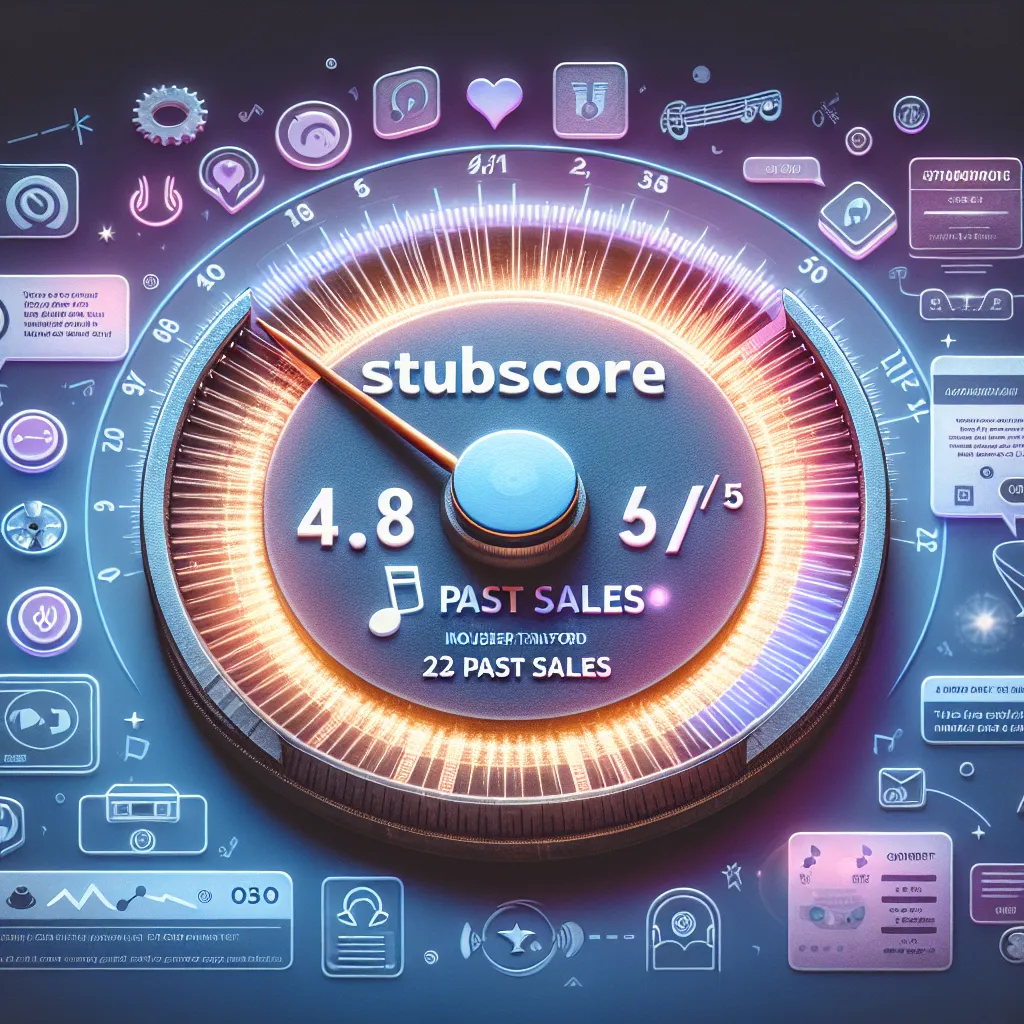
Buying tickets from strangers online—on Reddit, Facebook, or Craigslist—often feels like playing Russian roulette. There’s no way to know if the seller is legit, or if you’re about to get scammed. StubScore solves this by introducing a universal, portable trust score for ticket sellers. Think of it as a FICO score for the secondary ticket world—one that follows a seller across platforms, using verified history, peer reviews, dispute records, and even blockchain receipts to generate a reputation profile. The insight: informal peer-to-peer resale isn’t going away, but a public ledger of trust would reduce scams and boost safety across the board. Imagine you’re in a Drake fan group on Facebook—someone posts last-minute tickets, and you check their StubScore (4.8/5 with 23 past sales). You’d buy without flinching.
Description
No additional description provided.
The Pitch
In the world of ticket reselling, a major pain point that many buyers face is the uncertainty of purchasing from strangers. Whether browsing Facebook groups, Reddit threads, or Craigslist listings, the risk of encountering fraudulent sellers is a constant concern. This lack of trust often resembles a high-stakes gamble, with buyers having little more than blind faith guiding their transactions.
The core problem in this marketplace is the absence of a standardized trust metric for sellers, which leaves buyers vulnerable to scams and erodes confidence in peer-to-peer transactions. Current resale platforms lack a cohesive system to verify the authenticity of ticket sellers, leading to countless fraudulent experiences and considerable loss of trust in the online marketplace.
Enter StubScore, a transformative solution designed to address these challenges by introducing a universal trust score for ticket sellers. StubScore functions like a FICO score, but for the ticket resale market, offering an actionable and portable reputation profile for sellers. This innovation not only aggregates a seller's verified transaction history and peer reviews but also incorporates dispute records and blockchain receipts to ensure an accurate and tamper-proof profile.
The product fundamentally changes the landscape of peer-to-peer ticket sales. By implementing a public, transparent ledger of trust, StubScore diminishes the prevalence of scams and fosters a safer buying environment. Imagine participating in a fan group for an artist where last-minute ticket sales are frequent. A quick glance at a seller’s StubScore, reflecting an impressive 4.8 out of 5 based on 23 successful transactions, can instill confidence and encourage worry-free purchases.
To build and launch this product as a minimum viable product, several tools and technologies can be utilized. The platform would benefit from leveraging blockchain technology to provide verifiable transaction receipts and ensure the integrity of dispute records. Additionally, an API integration with social media platforms and ticket resale sites would enable seamless retrieval of transaction history and peer reviews. User-friendly web and mobile interfaces would also be crucial to facilitate ease of use and widespread adoption.
For the go-to-market strategy, StubScore should focus on building partnerships with major social platforms, ticket-selling communities, and event organizers. Engaging with influencers and community leaders within fan groups could also help in cultivating trust and encouraging adoption. For user acquisition, targeting tech-savvy, frequent event-goers who are familiar with the challenges of buying tickets online would be key.
StubScore’s business model could revolve around a freemium package. Basic access to seller scores could be offered for free, while advanced analytics and additional verification services might be available through a subscription. Alternatively, a modest verification fee could be charged to sellers who wish to obtain a verified badge, which could then enhance trust and potentially increase sales opportunities.
As StubScore becomes more integrated into the ticket resale ecosystem, it could reshape the way informal sales are conducted, transforming an industry fraught with uncertainty into one characterized by transparency and mutual trust.