Stress-Reducing Calendar for Balanced Productivity
Most productivity tools help you cram more in. This one does the opposite — a calendar that enforces whitespace, nudges you to block free time, and punishes overbooking. Uses AI to suggest which meetings to decline or move. The trend: calm productivity and digital balance are surging (see Sunsama, Rise, Motion). For example, a founder syncs the app with Google Calendar. It detects that 18 of 22 slots are booked. The AI proposes cutting 4, flags them politely, and suggests “Focus Fridays.” Stress goes down. Output goes up.
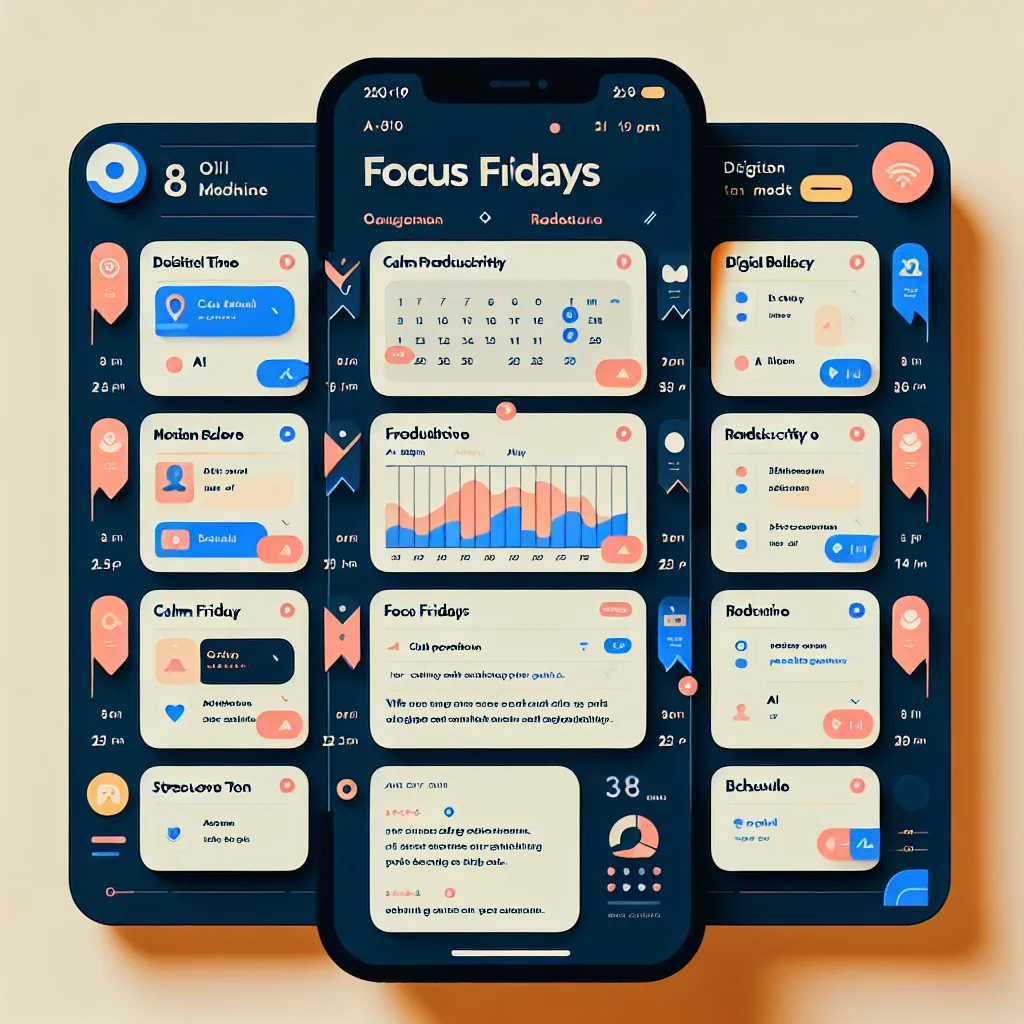
Description
No additional description provided.
The Pitch
In the ever-evolving landscape of productivity tools, the current focus has overwhelmingly been on maximizing efficiency by squeezing more tasks into a given timeframe. Traditional calendars and scheduling applications enable users to pack their days with meetings and responsibilities, often leading to burnout and decreased productivity. However, as the digital world becomes more aware of mental health and work-life balance issues, there's an emerging demand for tools that promote calm productivity and digital balance.
This shift is part of a broader trend toward sustainable productivity, where the emphasis is on achieving more by doing less but with more focus and intention. Products like Sunsama, Rise, and Motion are gaining traction, indicating a cultural movement towards balancing productivity and personal well-being.
**The Problem**
For many professionals, especially those in high-demand roles, the notion of a free calendar is nearly extinct. Overbooking is rampant, and the pressure to fill every available slot with a meeting or task can lead to stress and reduced efficiency. Many find themselves overwhelmed, with little time left for strategic thinking or creative work. There's a strong need for a solution that helps individuals manage their schedules without compromising their mental health and productivity.
**The Solution**
Enter the concept of a groundbreaking calendar tool designed to promote digital balance. This tool acts as an enforcer of whitespace in the calendar, encouraging users to allocate free time deliberately and penalizing over-scheduling. Through the use of artificial intelligence, it can intelligently analyze a user's schedule, suggest meetings that can be rescheduled or declined, and propose blocks of uninterrupted time for focused work.
**Product Details**
The proposed calendar tool would integrate seamlessly with popular calendar platforms like Google Calendar, ensuring ease of use and broad accessibility. Key features would include:
1. Whitespace Enforcement: Automatically identifies and alerts users to overcrowded schedules and encourages them to create free blocks of time.
2. AI-Based Suggestions: Utilizes advanced AI algorithms to analyze meeting importance and relevance, suggesting changes to optimize the schedule for productivity and balance.
3. Overbooking Penalty: Gently discourages scheduling beyond a healthy limit by warning users of potential stress and productivity dips.
4. Focus Time Allocation: Promotes the concept of Focus Days or Focus Hours, where users can dedicate time to deep work without interruptions.
5. Customizable Alerts: Offers personalized notifications and alerts to resolve conflicts and maintain a stress-free schedule.
**Tools for MVP Launch**
To develop and launch this innovative calendar tool as a Minimum Viable Product (MVP), consider employing the following resources and platforms:
1. Calendar APIs: Leverage APIs from Google Calendar or Outlook to integrate seamlessly with existing calendars.
2. AI and Machine Learning Libraries: Use AI libraries like TensorFlow or PyTorch to build the machine learning models for meeting analysis and suggestion algorithms.
3. Front-End Frameworks: Utilize front-end frameworks like React or Vue.js for designing a user-friendly interface.
4. Cloud Services: Deploy on cloud platforms such as AWS or Google Cloud for scalable hosting solutions.
5. Collaboration Tools: Use platforms like Slack or Microsoft Teams for internal communications during development.
**Go-to-Market (GTM) Strategy**
1. Target Audience: Initially focus on startups, tech companies, and remote teams who are likely facing productivity and burnout challenges.
2. Partnerships: Collaborate with mental health and productivity influencers to promote the tool and educate potential users on the importance of digital balance.
3. Content Marketing: Create blogs, webinars, and whitepapers discussing the benefits of digital balance and how the tool can enable this.
4. Social Media Campaigns: Leverage platforms like LinkedIn and Twitter to reach professionals and corporate decision-makers.
5. Freemium Model: Offer a basic version for free, with premium features available as part of a subscription model to encourage trial and conversion.
**Business Model**
The primary revenue stream would be a subscription-based model, offering premium features and enterprise solutions to businesses. Options for individual users could include monthly or annual subscriptions, while enterprise clients could benefit from customizable options tailored to their needs.
Additionally, explore partnerships and integrations with wellness platforms for cross-promotions, providing added value to all parties involved.
By addressing the growing demand for digital balance and calm productivity, this calendar tool has the potential to revolutionize how individuals and organizations manage their time, ultimately leading to healthier, more efficient work environments.