Streetfronts: Turning Influencers into Retail Partners
Influencers move products online, but what about the offline shelf? Streetfronts turns local creators into co-owners of temporary retail pop-ups. The platform scouts empty storefronts, outfits them with modular shelving, and rotates creator-curated products every weekend. Fans shop in person, post online, and every sale syncs to the creator’s digital store. It’s like Airbnb for micro-retail, backed by social influence instead of foot traffic. The internet built the following; Streetfronts gives it a physical address.
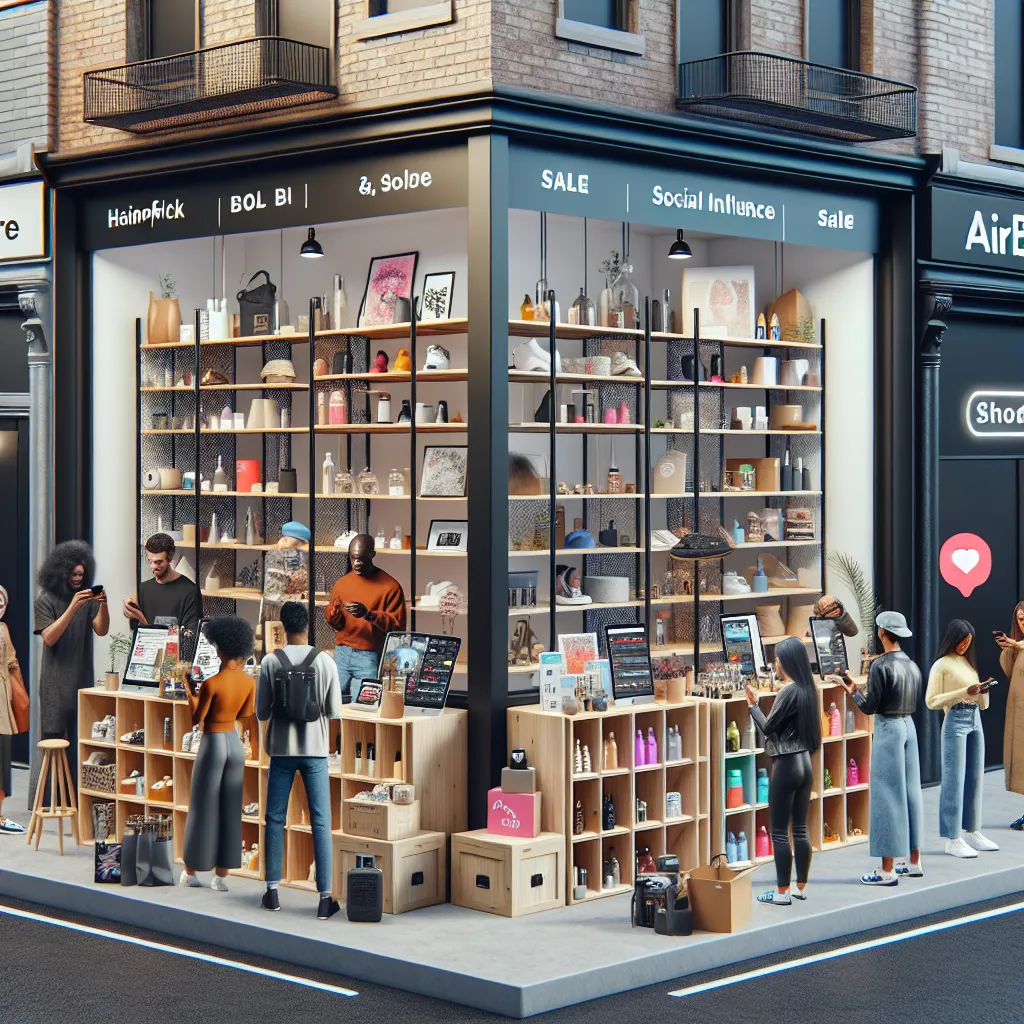
Description
No additional description provided.
The Pitch
In recent years, influencers have dramatically transformed how products are marketed and sold online. Their ability to move products is undeniable, yet their impact remains largely limited to digital platforms. This presents a unique opportunity to bridge the gap between online influence and offline retail. Enter Streetfronts, a pioneering platform that transforms local creators into co-owners of temporary retail pop-ups. This initiative aims to revolutionize the retail experience by leveraging the power of social influence to drive sales in the physical world.
Backstory
The concept of Streetfronts emerged from observing two converging trends: the decline of traditional brick-and-mortar retail and the explosive growth of influencer-driven marketing. As consumers increasingly sought personalized and authentic shopping experiences, retail stores struggled to compete with the convenience and reach of online shopping. Simultaneously, influencers amassed large followings by connecting with audiences over shared interests and aesthetics, yet these creators lacked a physical space to bring their digital communities together. The need for a novel retail format that blended digital influence with physical presence was clear.
Problem
The primary problem lies in the untapped potential of influencers to drive in-person product sales. Traditional retail setups are fraught with high costs, complex logistics, and a rigid structure that doesn't accommodate the dynamic nature of today’s influencer economy. Influencers face barriers in expanding their reach beyond digital platforms without incurring significant investment and risk. Furthermore, numerous storefronts sit vacant in cities worldwide, contributing to urban blight and lost opportunities for community engagement.
Solution
Streetfronts provides a solution by offering pop-up retail spaces co-owned and co-curated by local creators. By scouting empty storefronts and outfitting them with modular shelving, Streetfronts offers creators a low-risk entry into physical retail. Products curated by influencers are rotated every weekend, allowing for fresh and dynamic shopping experiences. Fans can shop in person and share their experiences online, with every sale synchronized to the creator’s digital store. This approach not only revitalizes underutilized urban spaces but also fosters community interaction and collaboration.
Product Details
Streetfronts operates as a platform that connects influencers with vacant retail spaces. Key features include:
1. Space Scouting and Leasing: Identification and leasing of empty storefronts in strategic locations. 2. Modular Outfits: Customizable shelving and display units adaptable to various product types and aesthetics. 3. Inventory Management: Integration with digital stores to track sales and inventory seamlessly. 4. Event Coordination: Support services for organizing pop-up events and promotional activities. 5. Digital Synchronization: Real-time syncing of in-store sales with online platforms for a unified customer experience.
Tools for MVP Launch
To build and launch an MVP for Streetfronts, the following tools and platforms would be instrumental:
1. Shopify or WooCommerce: For setting up digital storefronts and managing sales integrations. 2. Square or Stripe: For handling in-person and online payment processing. 3. Trello or Asana: For project management and coordination among team members and creators. 4. SketchUp or AutoCAD: For designing and visualizing modular shelving and space configurations. 5. Social Media Platforms: For influencer marketing and community engagement.
GTM Strategy
The go-to-market strategy for Streetfronts involves multiple phases:
1. Pilot Launch: Begin in select urban areas with a high density of vacant storefronts and active influencer communities. 2. Influencer Partnerships: Collaborate with local influencers across various niches to facilitate well-rounded product selections. 3. Community Engagement: Host exclusive launch events and influencer meet-and-greets to drive foot traffic and social media buzz. 4. Local Advertising: Utilize targeted digital advertising and partnerships with local businesses to raise awareness. 5. Continuous Feedback: Gather shopper and influencer feedback to refine offerings and improve user experience.
Business Model
Streetfronts will operate on a revenue-sharing model. Key revenue streams include:
1. Leasing Fees: Charges collected from creators for storefront usage based on time and space requirements. 2. Transaction Commissions: A percentage of sales processed through the platform. 3. Subscription Services: Offering premium services for creators, such as consultation and custom display solutions. 4. Event Hosting: Revenue from hosting private events and workshops within the pop-up spaces.
Conclusion
By bringing the dynamism of online influence into the physical retail space, Streetfronts transforms how consumers shop, influencers promote, and communities interact. This innovative approach not only addresses the challenges of modern retail but also reimagines the relationship between digital and physical commerce, paving the way for a more connected and engaging shopping experience.