Streamlining Permitting with AI for Faster Builds
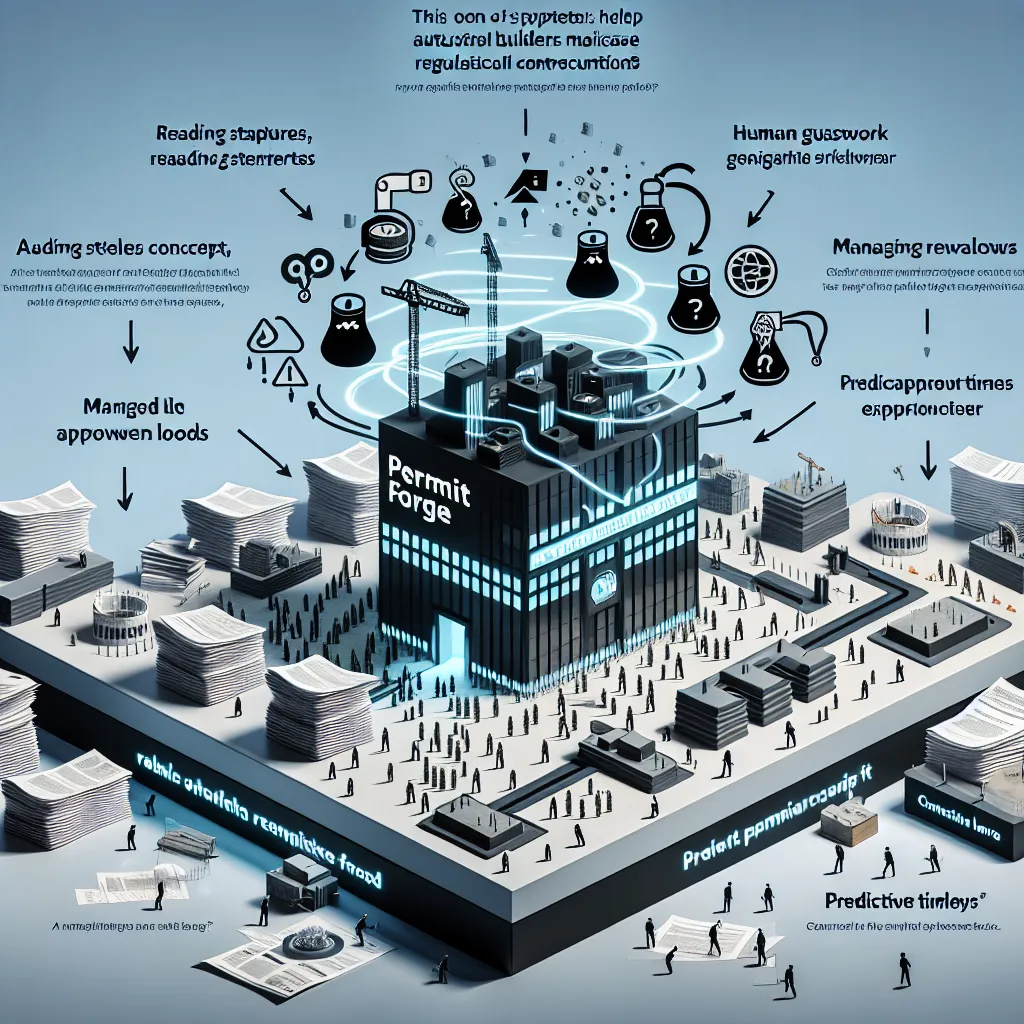
The biggest bottleneck in building reactors, housing, or datacenters isn’t capital—it’s permitting. Yet permitting runs on PDFs, human guesswork, and black-hole review loops. PermitForge automates regulatory navigation for industrial builders, turning every rule and jurisdiction into a constraint-based model that builds a compliant-by-design plan on day zero. Modular factory-style deployment only works if the permitting layer is equally modular. With AI that reads statutes, auto-generates filings, manages stakeholder workflows, and predicts approval timelines, factories can scale like software. A nuclear microreactor startup could go from “concept” to “shovel-ready” 5x faster.
Description
No additional description provided.
The Pitch
Imagine a world where building complex structures like reactors, housing, or data centers isn't stalled by the slow and often opaque process of permitting. Although funding is readily available, projects often hit roadblocks due to outdated permitting systems that rely heavily on manual reviews and extensive paperwork. This inefficiency leads to prolonged timelines, increased costs, and frustration for builders and developers.
Backstory:
For decades, the construction and industrial sectors have been plagued by bottlenecks largely attributed to sluggish permitting processes. Teams often find themselves trapped in a cycle of lengthy reviews, revisions, and resubmissions, with little visibility into the process. This experience has impeded innovation and hindered the scalable deployment of new technologies.
The Problem:
The current permitting system is fraught with inefficiencies. Key issues include:
1. Dependency on Manual Processes: Entrusted largely to human guesswork, the current system lacks the technological integration required for faster processing. 2. Fragmented Regulations: Navigating the web of regulations across different jurisdictions can be daunting, leading to delays and unexpected hurdles. 3. Inconsistent Review Cycles: The unpredictability of review timelines creates substantial planning challenges, hindering the ability to move projects forward efficiently. 4. Lack of Predictive Power: Builders struggle with the absence of tools that can reliably predict approval timelines, making project management and resource allocation difficult.
The Solution:
PermitForge aims to revolutionize the permitting process. By transforming complex regulations into a constraint-based digital model, PermitForge creates plans that are compliant by design from the outset. The platform offers:
- Automated Rule Interpretation: Using AI to parse and interpret legal statutes, turning them into actionable insights. - Instantaneous Filings: Automatically generating the necessary filings to ensure a seamless submission process. - Stakeholder Coordination: Providing tools for effective workflow management among team members and external stakeholders. - Predictive Analytics: Offering data-driven predictions on approval timelines to aid in better decision-making and planning.
Product Details:
PermitForge is designed as a user-friendly platform where:
- Users input project specifications and jurisdictions. - The system analyzes applicable regulations and creates compliant design plans. - Filings and paperwork are auto-generated and submitted to the relevant authorities. - Stakeholders can collaborate in a shared space to ensure smoother communication and higher transparency. - Machine learning algorithms predict potential approval timelines and highlight compliance risks.
Tools for MVP Launch:
To launch PermitForge as a Minimum Viable Product, consider leveraging the following tools:
- AI and Machine Learning Frameworks: Tools like TensorFlow or PyTorch to build regulation-parsing algorithms. - Cloud Platforms: Services such as AWS or Google Cloud for infrastructure hosting. - Collaboration Software: Integration with platforms like Slack or Microsoft Teams for stakeholder management. - Predictive Analytics Tools: Utilize products like Tableau for visualization and predictive modeling.
Go-To-Market Strategy:
1. Identify and engage with early adopters in sectors such as renewable energy, real estate development, and technology infrastructure. 2. Develop partnerships with regulatory bodies to facilitate smooth integration and testing. 3. Create pilot projects to demonstrate effectiveness and gather feedback for refinement. 4. Use targeted marketing campaigns and case studies to showcase successes and build credibility in the industry.
Business Model:
PermitForge can adopt a subscription-based business model, charging companies based on the scale of their operations and the complexity of projects. Additional revenue streams could include premium features like enterprise integrations or consultancy services for highly specialized projects. A tiered pricing structure could cater to startups as well as larger enterprises, allowing for flexibility and scalability.
The inevitable future of construction and industrial expansion demands a solution like PermitForge that digitizes and automates permitting. By streamlining this critical phase, we unlock a new era of innovation and growth, enabling builders to move from concept to completion swiftly and efficiently.