Streamlining AI Governance and Compliance for Enterprises
In large orgs, AI pipelines are quickly turning into tangled webs of model calls, vector store configs, API keys, and fragile workflows. ModelMesh is GitHub + Terraform for AI: a system of record for tracking, auditing, and governing LLM usage across an enterprise. It enables model version rollback, policy enforcement (e.g. “don’t use open models for PII”), dependency graphs, and approval workflows for prompt changes. Why now? Coatue warned about fragmentation of the LLM stack—this startup helps companies manage risk and regain control. For example, a global bank deploying agents across departments could use ModelMesh to ensure compliance, avoid model drift, and prevent rogue prompt injections that leak sensitive info.
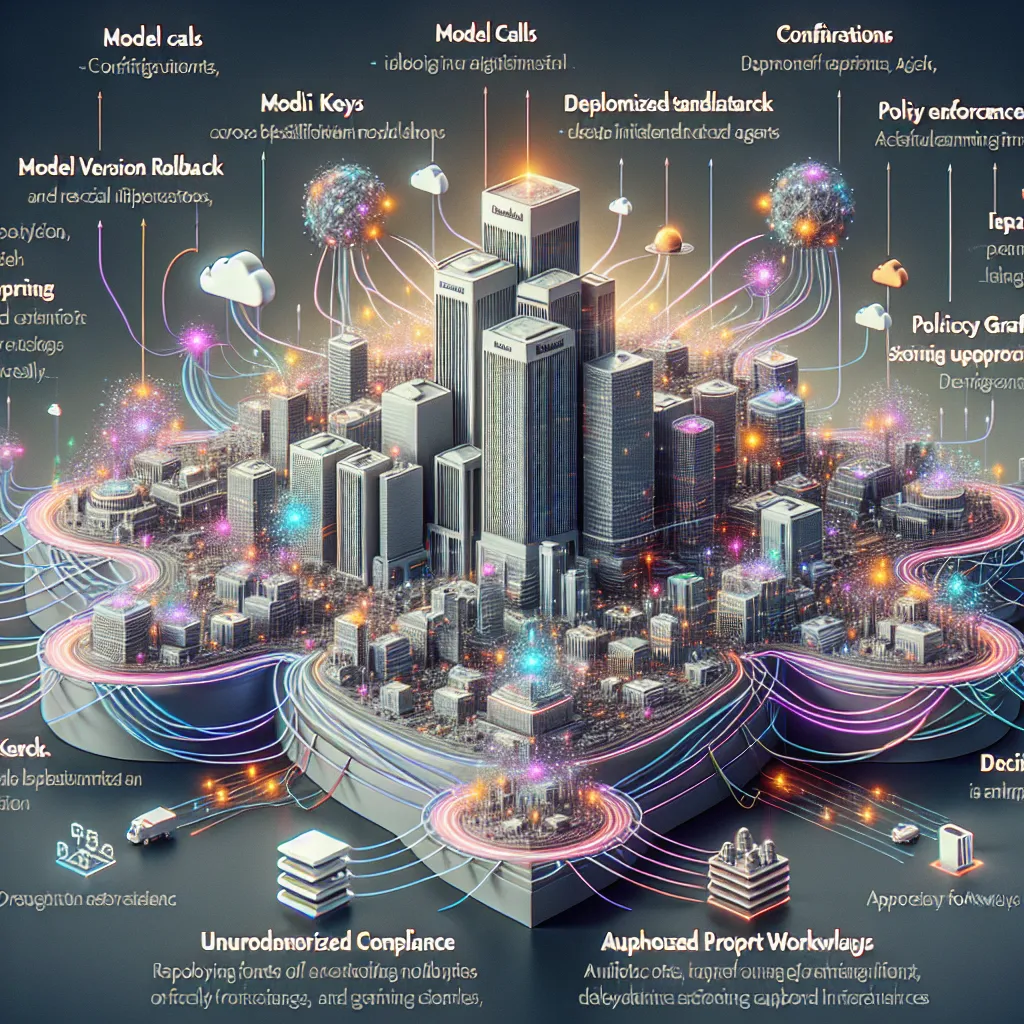
Description
No additional description provided.
The Pitch
Large organizations are increasingly adopting AI pipelines to automate and optimize various business processes. However, this rapid adoption often leads to complex, tangled systems comprised of multiple model calls, vector store configurations, API keys, and fragile workflows. As these systems grow, they become cumbersome to manage, audit, and scale, resulting in potential risks such as non-compliance, security vulnerabilities, and inefficient use of resources.
**Background and Problem Statement**
Large enterprises often deal with challenges in managing their AI deployments effectively. AI models and their associated components can proliferate rapidly, creating a tangled web that is difficult to comprehend and oversee. This fragmentation leads to several issues:
1. **Lack of Centralized Oversight**: Without a unified platform, tracking model versions, configurations, and dependencies becomes a daunting task.
2. **Compliance Risks**: Ensuring adherence to data regulations and internal policies (e.g., prohibiting the use of open models for sensitive data) is challenging without clear governance.
3. **Model Drift and Security Threats**: Unchecked models and prompts can lead to data leakage or unauthorized access, which can have severe repercussions for businesses.
4. **Inefficient Collaboration and Approval Processes**: Inadequate tools for dependency management and prompt approval exacerbate delays and misalignments in AI projects.
**Solution**
ModelMesh offers a seamless solution to these challenges. Acting as a comprehensive platform akin to GitHub and Terraform for AI workflows, ModelMesh provides:
- **Centralized Model Management**: A system of record that tracks each model version, offering the ability to roll back updates and manage changes efficiently.
- **Policy Enforcement and Governance**: Tools to define and enforce rules around model usage, ensuring compliance with industry regulations and company policies.
- **Visual Dependency Mapping**: A graphical representation of model dependencies and configurations, simplifying oversight and management tasks.
- **Approval Workflows**: Built-in processes for reviewing and approving changes to prompts or configurations, ensuring collaborative harmony and reducing risks.
**Product Details**
ModelMesh is designed with enterprise needs in mind, featuring:
- **Integration Capabilities**: Seamlessly connects with existing AI tools and platforms, ensuring minimal disruption and easy adoption.
- **User-Friendly Interface**: An intuitive dashboard that aids both technical and non-technical stakeholders in managing and understanding AI workflows.
- **Security Protocols**: Robust mechanisms to safeguard API keys, access credentials, and sensitive information.
- **Scalability**: Built to handle vast amounts of data and numerous models, accommodating growth effortlessly.
**Tools for MVP Launch**
To expedite the launch of ModelMesh as a Minimum Viable Product (MVP), consider utilizing the following tools:
- **Cloud Platforms**: Use AWS, Google Cloud, or Azure for infrastructure needs.
- **CI/CD Pipelines**: Implement solutions like Jenkins, GitLab CI, or CircleCI to automate testing and deployment processes.
- **Containerization**: Employ Docker and Kubernetes for scalability and efficient resource management.
- **Analytics and Monitoring**: Integrate Datadog or Prometheus for real-time monitoring and insights.
**Go-To-Market Strategy**
For a successful GTM strategy, focus on:
1. **Targeting Key Verticals**: Initially target industries with significant AI adoption rates, such as finance, healthcare, and technology.
2. **Building Strategic Partnerships**: Collaborate with AI consultancies and cloud service providers to leverage their expertise and networks.
3. **Thought Leadership**: Establish presence through webinars, whitepapers, and speaking engagements to educate market audiences about the benefits of ModelMesh.
4. **Pilot Programs**: Offer a limited-time pilot program to key clients, incentivizing adoption through reduced pricing or additional support.
**Business Model**
ModelMesh's business model can be structured around a subscription-based service, offering tiered plans based on organizational size and feature requirements. Additional revenue streams can include professional services for integration support, custom feature development, and comprehensive training programs.
In summary, ModelMesh addresses a critical gap in AI lifecycle management, offering a comprehensive, user-friendly solution for overseeing and optimizing AI workflows across enterprises. By tackling compliance, security, and efficiency challenges, it empowers organizations to harness AI innovations with confidence and control.