Streamlined Reordering: Eliminating Purchase Friction Points
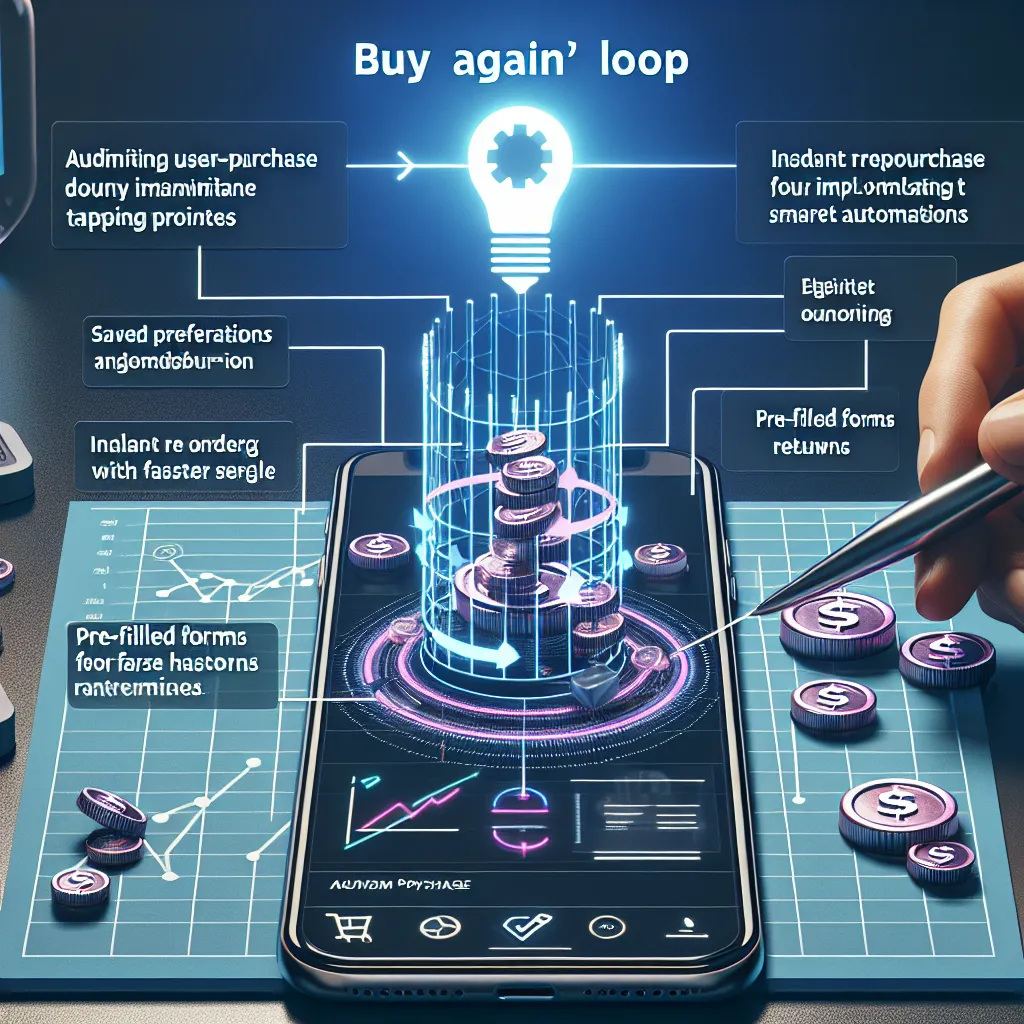
Everyone talks about “brand love,” but most people just want less hassle. The biggest loyalty killer isn’t emotion—it’s friction. Every extra click, password reset, and promo code chase sends customers fleeing to Amazon or Target. This startup would build a platform that audits the repeat-purchase journey for friction points and eliminates them with smart automation: saved preferences, one-tap reorders, pre-filled forms, friction-free returns. It’s like UX analytics, but focused purely on the “buy again” loop. Loyalty isn’t earned with emojis—it’s earned when re-ordering toothpaste doesn’t feel like applying for a mortgage.
Description
No additional description provided.
The Pitch
In today's fast-paced digital landscape, consumers are overwhelmed by options and crave convenience. While companies often chase the concept of brand love, the reality is that customer loyalty is predominantly driven by reducing friction in the buying process. A major hurdle in cultivating repeat business is the complexity and inconvenience of the repeat-purchase journey. Each additional step, from unnecessary logins to complicated promotional codes, nudges customers closer to the competition, where streamlined experiences await.
Problem Statement: The core issue plaguing e-commerce and retail industries is the friction-filled experience in repeat purchases. Many platforms focus on acquiring new customers, often neglecting the nuances that make repeat purchases cumbersome. From forgotten passwords to tedious reordering processes, these minor inconveniences collectively erode customer loyalty. The outcome is a customer base susceptible to shifting towards more efficient competitors like Amazon and Target.
Proposed Solution: To address this, the vision is to create a platform dedicated to auditing and enhancing the repeat-purchase journey. The platform will meticulously identify friction points and eradicate them through smart automation. Key features would include saving customer preferences, enabling one-tap reorders, automating form-filling, and facilitating hassle-free return processes. The objective is to refine the user experience, focusing solely on optimizing the buy again loop, ensuring that reordering essentials like toothpaste is as simple as a single click.
Product Details: The proposed platform would function as an advanced UX analytics tool but tailored specifically for the repeat-purchase cycle. Its features should include:
1. Preference Saving: Automatically store and apply user preferences for a smoother shopping experience. 2. One-Tap Reorders: Enable customers to repurchase items with a single interaction. 3. Pre-Filled Forms: Simplify checkout processes by securely storing and pre-filling customer information. 4. Friction-Free Returns: Streamline return procedures to encourage customer trust and repeat business. 5. Analytics Dashboard: Provide businesses with insights into friction points and customer behavior to continuously optimize the buying journey.
Tools for MVP Launch: 1. Rapid Prototyping Tools: Use platforms like Sketch or Figma to design the user interface. 2. Development Frameworks: Employ tools like React or Angular for building the front-end, along with Node.js or Django for the back-end. 3. SaaS Platforms: Utilize cloud services such as AWS or Google Cloud for scalable infrastructure. 4. User Testing: Implement tools like UserTesting or Hotjar to gather user feedback during the development phase.
Go-To-Market (GTM) Strategy: 1. Target Audience: Focus on medium to large e-commerce platforms initially, which have a significant volume of repeat customers. 2. Partnerships: Collaborate with e-commerce developers and consultants to integrate the solution during platform builds or updates. 3. Thought Leadership: Establish industry authority through webinars, podcasts, and white papers on reducing purchase friction. 4. Limited Launch: Implement beta testing with select partners to gather feedback and refine the platform.
Business Model: 1. Subscription-Based Pricing: Offer tiered subscription plans based on the size of the business and volume of transactions processed. 2. Pay-Per-Use Model: Provide flexibility with a usage-based pricing option for smaller businesses. 3. Enterprise Solutions: Tailor custom solutions for large enterprises with complex needs, at a premium pricing model.
Conclusion: This platform aims to revolutionize the repeat-purchase experience by prioritizing ease and efficiency over emotional engagement. By minimizing friction, businesses can cultivate genuine loyalty, ensuring that customers return not just because of brand affinity, but because the process is irresistibly hassle-free.