Streamlined Prescription Delivery via Peer-to-Peer Couriers
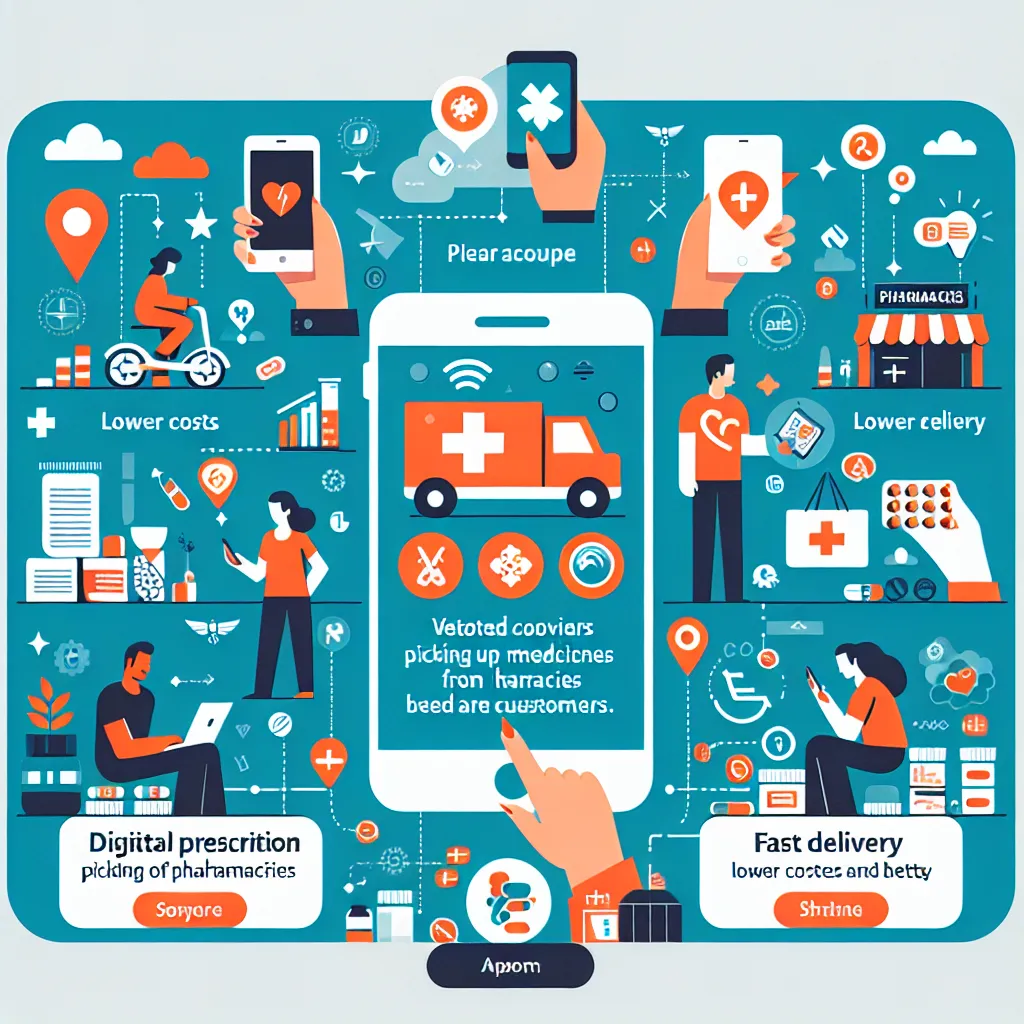
Getting prescriptions filled is still a headache for many Americans. In India, platforms like 1mg and PharmEasy connect pharmacies directly to patients with fast delivery, discounts, and digital prescriptions. They’ve become massive, VC-backed unicorns by solving a fragmented, frustrating system. In the U.S., Amazon and CVS deliver, but independent pharmacies and uninsured patients are left out. A P2P model — where vetted couriers pick up and deliver prescriptions securely — could bring lower costs and better access to millions.
Description
No additional description provided.
The Pitch
Navigating the complex landscape of prescription medication delivery in the United States presents challenges for many individuals, from delays and high costs to limited access, particularly for those relying on independent pharmacies or lacking insurance. While major players such as Amazon and CVS have made strides in offering delivery services, a significant portion of the population remains underserved. This text explores the potential of implementing a peer-to-peer (P2P) prescription delivery model, drawing inspiration from successful platforms like 1mg and PharmEasy in India, which have effectively addressed similar challenges.
Backstory: The U.S. healthcare system, despite its advancements, still suffers from inefficiencies in prescription medication delivery. Patients frequently encounter problems when trying to get prescriptions filled, particularly those who depend on independent pharmacies, face mobility issues, or lack comprehensive insurance coverage. In contrast, India has seen rapid advancements in prescription delivery through platforms like 1mg and PharmEasy, which connect patients directly with pharmacies offering fast delivery, digital prescriptions, and cost-effective solutions. These companies have become industry leaders by addressing systemic fragmentation and frustration.
Problem: The current prescription delivery framework in the U.S. does not adequately serve all demographics, leaving a significant gap for uninsured patients and those who rely on independent pharmacies. The existing system is often marked by high costs, limited accessibility, and inefficient service, particularly in rural or underserved areas. There is a clear need for a solution that can provide timely and affordable prescription delivery to all patients, circumventing existing barriers.
Solution: A peer-to-peer (P2P) prescription delivery model, similar to the successful platforms operating in India, could effectively address these challenges. This model would involve a network of vetted couriers who securely pick up prescriptions from pharmacies and deliver them directly to patients, ensuring reliability and safety in the process. This method offers the potential to reduce costs and enhance accessibility by leveraging local resources and technology to streamline the delivery process.
Product Details: The proposed P2P prescription delivery platform would include the following features: 1. A user-friendly mobile application for patients to place orders, upload prescriptions, and track deliveries in real-time. 2. A secure and efficient system for verifying and vetting couriers, ensuring that only trustworthy individuals handle prescription deliveries. 3. An interface for pharmacies to receive and process orders seamlessly, with tools for managing logistics and communication with couriers. 4. An integrated payment system to facilitate transactions between patients, pharmacies, and couriers. 5. Data analytics capabilities to monitor delivery performance, identify potential areas for improvement, and ensure compliance with regulatory standards.
Tools for MVP Launch: To quickly bring this platform to market as a minimum viable product (MVP), the following tools and resources could be utilized: - Low-code development platforms to expedite the app development process. - Cloud-based services for scalable infrastructure and data storage. - Payment gateway APIs for seamless transactions. - Security protocols to protect patient data and ensure compliance with healthcare regulations.
Go-to-Market (GTM) Strategy: 1. Partner with independent pharmacies to expand the network and reach a broader customer base. 2. Conduct pilot programs in targeted urban and rural areas to refine the platform and build credibility. 3. Launch a targeted marketing campaign focused on the platform's cost-effectiveness and convenience. 4. Establish partnerships with healthcare providers and local community organizations to further boost adoption.
Business Model: The business model for the P2P prescription delivery platform could include: - Transaction fees: Charging a small percentage per delivery transaction to pharmacies and customers. - Subscription plans: Offering pharmacies subscription-based services for premium features and analytics. - Advertising: Providing targeted advertising opportunities within the app for healthcare-related products and services.
Conclusion: By introducing a P2P prescription delivery platform, the significant gap in the existing U.S. prescription delivery system can be addressed, bringing lower costs and enhanced accessibility to millions. Building on the successful models implemented in other regions, this venture has the potential to transform prescription delivery, ultimately improving healthcare outcomes for a diverse population.