Streamlined Management Platform for Food Truck Owners
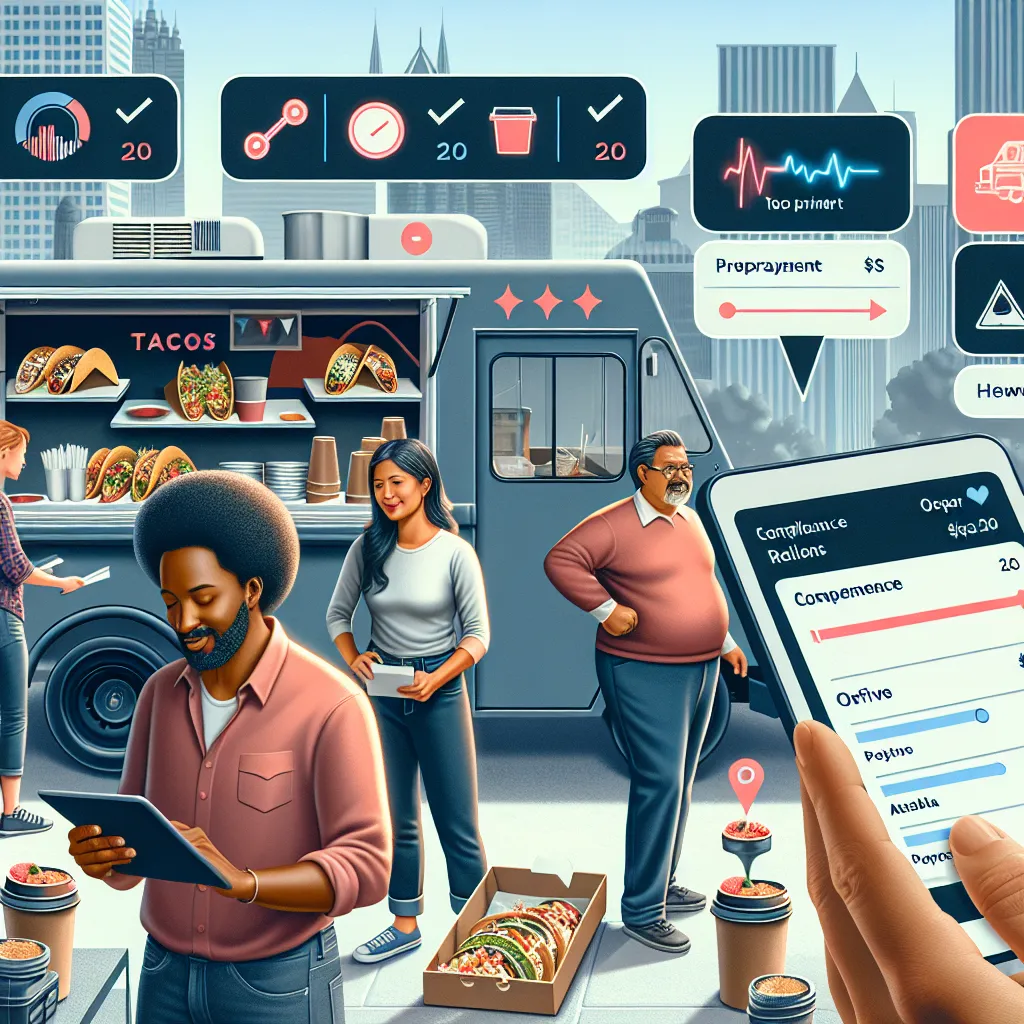
Food truck owners are swamped. They book events via Instagram DMs, update menus manually, and often forget local permit requirements. FoodOps is a back-office platform built specifically for mobile food businesses — letting truck owners manage event contracts, submit one-click permit forms for major cities, and auto-sync their menus across sites. A dashboard shows upcoming events, prepayment status, and required compliance. a16z notes that “some of the best wedges live inside the subworkflow no one has touched yet” — and food truck back-office ops are exactly that. A taco truck in Atlanta used FoodOps to manage 12 events a month, cutting missed bookings and permit violations to zero. It’s not another POS system — it’s the unsexy, overlooked layer that unlocks growth and trust.
Description
No additional description provided.
The Pitch
In the bustling world of mobile food businesses, food truck owners face significant challenges in managing their operations efficiently. They juggle multiple tasks such as booking events through scattered channels like social media direct messages, manually updating their menus, and navigating the complex web of local permit requirements. These obstacles not only consume valuable time but also lead to potential revenue losses and compliance issues.
Enter FoodOps, a comprehensive back-office platform designed specifically for food truck operators. FoodOps streamlines the management of mobile food ventures by providing a centralized system that handles key operational tasks. With FoodOps, food truck owners can manage event contracts seamlessly, submit permit forms with a single click for major cities, and automatically sync their menus across various online platforms. The platform's intuitive dashboard offers a clear view of upcoming events, prepayment statuses, and compliance requirements, allowing owners to focus on delivering exceptional culinary experiences.
To bring FoodOps to life as a Minimum Viable Product, leveraging tools like no-code development platforms such as Bubble for rapid prototyping, or Firebase for backend infrastructure, can significantly reduce the time and cost associated with product development. Payment integration services like Stripe could be employed for managing prepayments securely and efficiently. For menu syncing, API integrations with popular restaurant listing sites like Yelp or Google My Business can ensure that menus are always up to date.
The go-to-market strategy for FoodOps would involve targeting food truck associations, attending industry trade shows, and leveraging partnerships with event organizers to reach potential customers. A focus on content marketing, highlighting success stories like that of a taco truck in Atlanta, which used FoodOps to efficiently manage numerous events monthly without missing bookings or encountering permit issues, can illustrate the platform’s value proposition. SEO-optimized content, webinars, and targeted social media advertising can further increase visibility and drive customer acquisition.
FoodOps follows a subscription-based business model, offering tiered pricing to accommodate trucks of varying sizes and needs. This model ensures a steady revenue stream while allowing food truck owners to choose a plan that best fits their operational scale and scope.
In essence, FoodOps addresses a critical gap in the mobile food industry, transforming the often-overlooked back-office workflow into a streamlined and efficient process. It’s not just another point-of-sale system but a comprehensive solution that empowers food truck owners to grow their businesses by simplifying the logistical burdens they face daily.