Streamlined Event Tech: Seamless Venue Integration
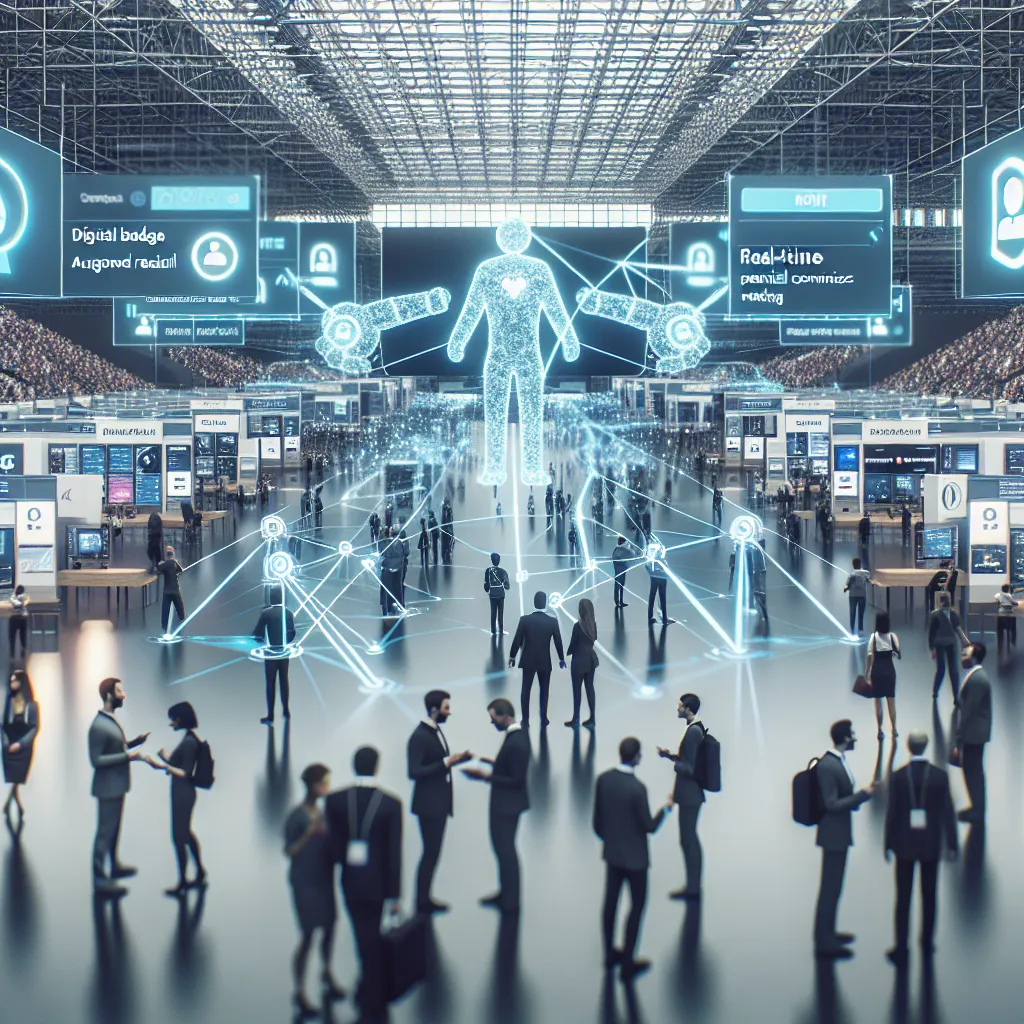
Events are messy: attendees juggle clunky apps, confusing maps, and missed networking chances. Organizers waste money on one-off tools that nobody uses again. A startup could embed directly into venues with a permanent digital layer — smart badges, AR wayfinding, on-site kiosks, and real-time attendee matchmaking. Distribution flows through convention centers and event chains, so the platform comes pre-installed for every event hosted there. Instead of selling to 1,000 organizers individually, you win by becoming the default venue tech. Imagine walking into CES and your badge automatically opens a venue-wide platform: where to go, who to meet, and what’s happening live.
Description
No additional description provided.
The Pitch
For individuals looking to innovate within the event management space, there's a compelling opportunity to rethink how digital solutions are integrated into events. Traditional methods often leave both attendees and organizers frustrated. Attendees typically struggle with cumbersome apps, getting lost in confusing venue layouts, or missing potential networking opportunities. Meanwhile, event organizers frequently find themselves investing in multiple, disconnected tools that are used sparingly and add little long-term value.
This scenario presents a distinct problem: current technologies in events are often temporary, fragmented, and inefficient. Attendees and organizers alike yearn for seamless, integrated experiences that can enhance event engagement and streamline operations. The question arises on how to deliver this promise.
One potential solution is the development of a permanently embedded digital layer within event venues. This concept incorporates smart badges, augmented reality for wayfinding, on-site kiosks, and real-time networking facilitation. By integrating these technologies into the fabric of the venue itself, events become more interactive and navigable. The key is to create a platform that is always operational, not just configured for each individual event.
Product Details: - **Smart Badges**: Equipped with RFID or NFC technology, these badges simplify entry and facilitate seamless exchanges of contact information. - **AR Wayfinding**: Augmented reality elements guide attendees, enhancing venue navigation and immersing them in an interactive experience. - **On-Site Kiosks**: These provide on-demand information, engaging live updates, and interactive maps to enrich the attendee's experience. - **Real-Time Networking**: Utilizing machine learning algorithms, facilitate introductions between attendees with shared interests or professional goals.
To bring this vision to life, consider the following tools and platforms for building a Minimum Viable Product (MVP): - **IoT Platforms**: Utilize platforms like Particle or Arduino for developing the hardware integration of smart badges. - **AR Development Kits**: Use tools such as ARKit or ARCore for building the wayfinding solutions. - **Machine Learning APIs**: Leverage services like Amazon Personalize or Google Cloud AI to develop the networking recommendation algorithms. - **Custom App Development**: Build a user-friendly interface using frameworks like React Native for mobile accessibility.
When considering the Go-To-Market (GTM) strategy, focus on partnerships with convention centers and large event chains. This methodology allows the platform to come pre-installed at each venue, making it the default technological solution for all hosted events. Instead of trying to individually sell to a plethora of event organizers, create strategic alliances with venue operators who can implement the system as a standard offering.
The proposed business model revolves around a subscription service for venues, where they pay an ongoing fee for the digital infrastructure. Additional revenue streams could include premium features for event organizers or custom solutions tailored for specific events.
By embedding a digital layer directly into venues, the platform can streamline the chaos of traditional event management. This results in enhanced attendee experiences and greater efficiency for organizers, solidifying the solution as an indispensable asset for modern event venues.