Streamline Restaurant Collabs with All-in-One Kits
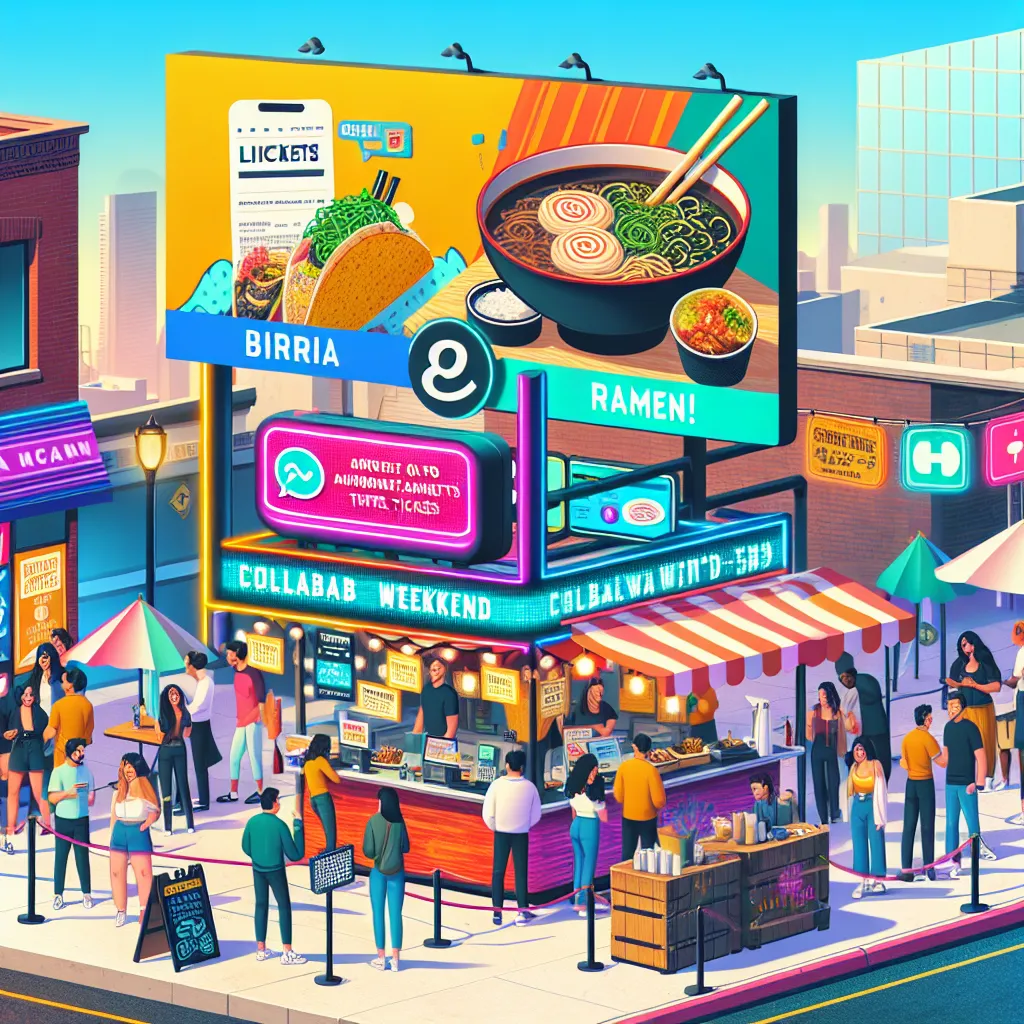
Local restaurants want to do pop-ups, guest chef nights, or collabs — but it’s a mess to coordinate. This startup sells “collab kits” that handle the tech, contracts, menus, marketing, and even POS integration. The trend: collabs are massive in fashion, music, and food — but infra is missing. For example, a ramen shop and taco spot run a “birria ramen” collab weekend. The kit automates ticketing, email blasts, signage, and revenue sharing. They sell out both nights.
Description
No additional description provided.
The Pitch
The culinary world is bubbling with creativity and local restaurants are eager to explore innovative ways to engage their communities. Pop-ups, guest chef nights, and restaurant collaborations are exciting avenues for this engagement. Despite their potential, coordinating such events is a logistical maze. From managing tech requirements, drafting contracts, organizing menus, handling marketing, to integrating point-of-sale systems, restaurateurs often find themselves overwhelmed. Enter the solution: a comprehensive collab kit tailored to streamline and simplify these processes.
Backstory:
In recent years, collaboration has become a buzzword not just in fashion and music, but also in the culinary industry. Restaurants have begun to realize the untapped potential of working together to create unique dining experiences that attract new customers and foster loyalty among regulars. However, the lack of infrastructure and a unified system to manage these collaborations effectively has been a significant hurdle. Currently, a ramen shop and a taco spot might want to run a birria ramen weekend collaboration, but the intricacies involved often deter them from pursuing such ventures.
Problem:
The primary challenge facing restaurants looking to collaborate is coordination. Without a standardized system in place, the processes are prone to miscommunication and inefficiency. Key areas that need addressing include:
- Tech integration: Ensuring compatibility among different billing and reservation systems. - Contract management: Crafting and managing agreements between collaborating entities. - Menu planning: Coordinating specialty dishes and ingredient sourcing. - Marketing: Reaching the right audience effectively without duplicate efforts. - Financial reconciliation: Accurately managing revenue sharing between partners.
Solution:
The proposed solution is a collab kit, a comprehensive toolkit designed to address these challenges head-on. It provides an end-to-end service that includes:
1. **Tech Integration**: A platform that connects seamlessly with existing POS and reservation systems to ensure smooth operations.
2. **Contract Management**: Templates and automated tools to help draft and sign agreements swiftly.
3. **Menu Coordination**: Customizable templates and sourcing assistance for creating innovative collaborative menus.
4. **Marketing Automation**: Tools for automating email blasts, social media campaigns, and in-store signage.
5. **Financial Reconciliation**: Automated revenue sharing systems that ensure transparency and fair distribution of profits.
Product Details:
Designed as a subscription-based service, the kit offers tiered packages allowing restaurants to select features relevant to their specific needs. The software is cloud-based, providing flexibility and easy updates. Additionally, the service includes customer support to assist in the setup and maintenance of the system.
Tools for Easy Launch as an MVP:
To create a Minimum Viable Product (MVP), the following tools can be leveraged:
- **No-code platforms**: Use platforms like Bubble or Webflow for quick prototyping. - **CRM systems**: Tools such as HubSpot or Zoho for managing customer relations and marketing. - **Payment Integrations**: Stripe or Square for managing financial transactions. - **Contract Management Software**: Platforms like DocuSign for managing agreements. - **Email Marketing Tools**: Services like Mailchimp for running marketing campaigns.
Go-To-Market (GTM) Strategy:
The go-to-market strategy would focus on:
1. **Local Engagement**: Partner with food influencer networks and regional culinary associations to tap into established networks.
2. **Pilot Programs**: Launch pilot programs with a select few restaurants to refine the offering and gather testimonials.
3. **Content Marketing**: Create a blog and video series showcasing successful collaboration stories.
4. **Partnerships**: Collaborate with technology providers and local chambers of commerce to expand reach.
5. **Referral Programs**: Encourage existing users to refer other restaurants through rewards.
Business Model:
The business model will operate on a subscription basis, with tiered pricing based on the features selected. Additional revenue streams can include:
- Transaction fees on ticket sales for events - Premium services for customized marketing strategies - Consultancy services for high-profile collaborations
By addressing a pervasive need in the local restaurant scene, this startup aims to simplify and elevate the prospect of culinary collaborations, making it accessible and profitable for businesses of all sizes.