Streamline HOA Tasks with Shared Assistant
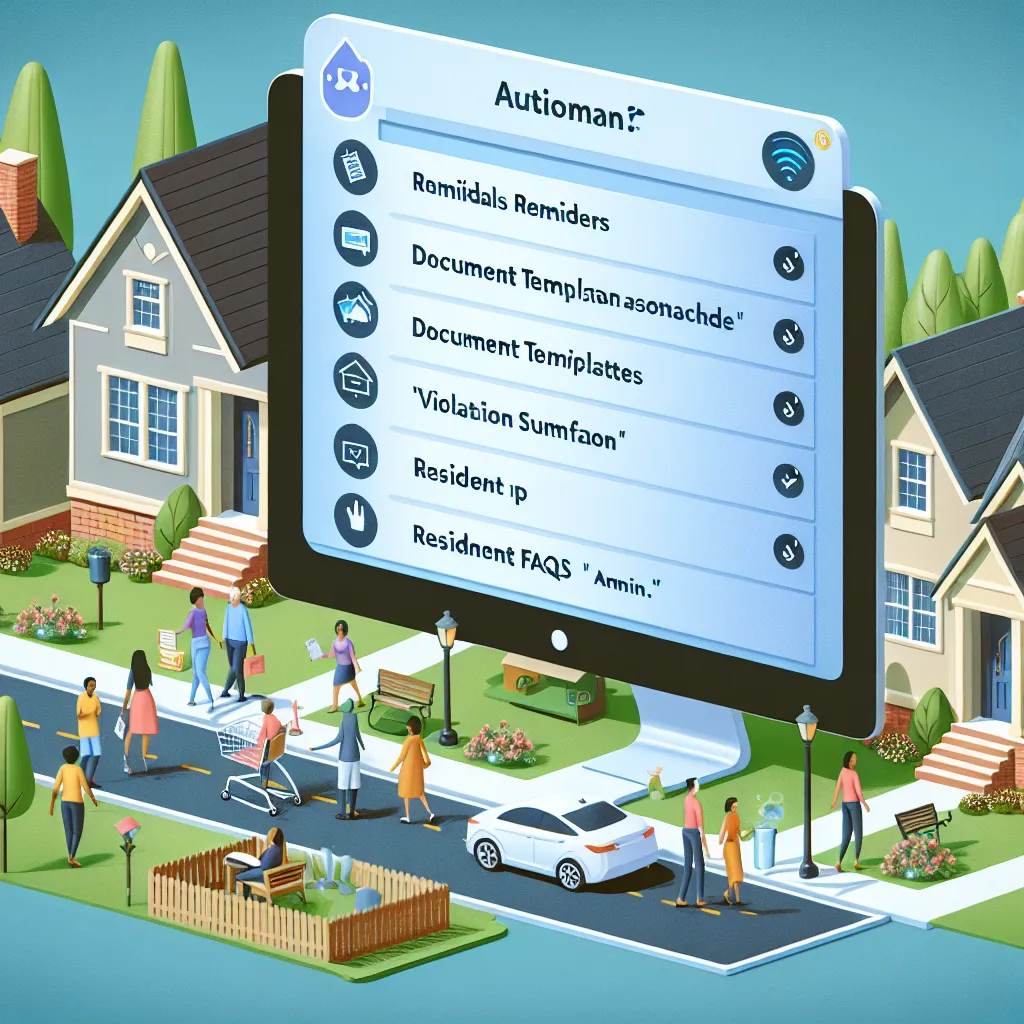
Homeowners Associations are full of messy workflows — CC&R violations, approvals, dues, newsletters. This idea builds a shared assistant that helps residents and board members stay organized: automated reminders, doc templates, violation summaries, and resident FAQs. The trend: “boring admin” is ripe for automation. For example, a 200-home HOA installs the assistant. Complaints drop, questions are answered instantly, and the board regains its weekends.
Description
No additional description provided.
The Pitch
Homeowners associations (HOAs) often find themselves mired in inefficiencies, juggling a multitude of responsibilities from managing CC&R (Covenants, Conditions, & Restrictions) violations to handling approvals, collecting dues, and distributing newsletters. These tasks, though essential for community harmony, can overwhelm both residents and board members, leading to dissatisfaction and burnout.
The core problem lies in the disjointed and manual nature of these processes. The lack of streamlined communication and standardized procedures results in complaints, missed deadlines, and a general sense of disorganization. Residents struggle with finding answers to common questions, while board members are constantly firefighting, leaving little time for strategic community development.
This concept introduces a comprehensive assistant specifically designed for HOAs, which aims to alleviate these administrative burdens. It serves both residents and board members, offering features such as automated reminders for dues and meetings, document templates for common communications, violation summaries to track compliance issues, and a centralized FAQ section to address frequent inquiries.
By automating routine tasks and providing intuitive organizational tools, the system not only improves workflow efficiency but also enhances overall satisfaction within the community. For instance, a 200-home HOA could deploy the assistant, experiencing a reduction in resident complaints and a marked improvement in board members' ability to focus on higher-level concerns, effectively reclaiming their weekends.
To bring this solution to life as a Minimum Viable Product (MVP), developers might consider using tools such as:
- A cloud-based platform like AWS or Google Cloud for scalable infrastructure. - Workflow automation tools like Zapier or Integromat to link various processes. - A user-friendly interface built with React or Angular for an intuitive resident and board member experience. - Integration with communication tools such as Slack or Microsoft Teams for seamless updates and notifications.
For the go-to-market (GTM) strategy, initial focus should be placed on partnering with HOA management companies and leveraging digital marketing to target HOA board members who are often in search of effective administrative tools. Webinars, demonstrations, and free trial offerings can drive interest and engagement within this niche market.
The business model could be subscription-based, offering tiered pricing based on the number of homes or residents within an HOA. This ensures a predictable revenue stream and the ability to adjust offerings as the platform evolves with customer needs.
By addressing the specific pain points of HOAs, this shared assistant not only transforms how associations manage their affairs but also contributes to a more cohesive and harmonious community experience.