Startups Revolutionizing AI-Driven Micro-Universities
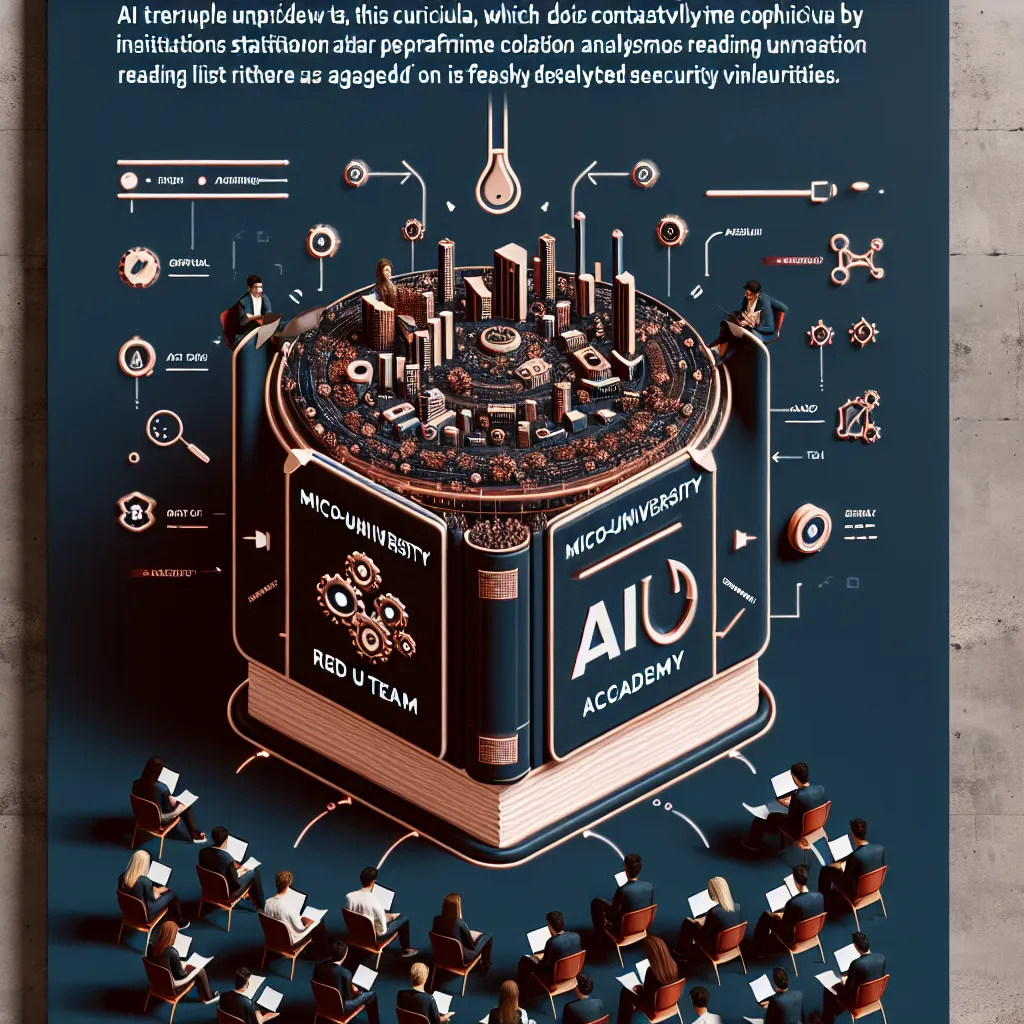
Universities won’t build the first AI-native program—startups will. This tool lets any organization build a fully adaptive “micro-university”: AI-evolving curricula, real-time cohort analysis, dynamic reading lists, and project-based evaluation where students are graded on how they use AI, not whether they use it. Why now: the workforce needs orchestration fluency, not memorization. Example: a cybersecurity bootcamp launches a 12-week “AI Red Team Academy” where every module evolves nightly based on new exploits found in the wild.
Description
No additional description provided.
The Pitch
In today's rapidly evolving educational landscape, there is an increasing demand for flexible, dynamic, and technology-driven learning solutions. Traditional universities, with their established structures and slower adaptability, are not positioned to create the first AI-native educational programs. Instead, it is the startups and innovative tech-driven organizations that are poised to lead this transformation. This initiative is designed to empower organizations to develop fully adaptive micro-universities that leverage the power of artificial intelligence to deliver personalized and continuously evolving curricula.
Backstory: As industries worldwide become more reliant on artificial intelligence and data-driven strategies, there is a growing gap between the skills taught in traditional educational settings and the competencies required in the modern workforce. Current educational models emphasize rote memorization and standardized testing, which fail to equip students with the critical skills of orchestration fluency and problem-solving needed in the digital age.
Problem: The principal challenge lies in the inability of existing educational programs to adapt to the swiftly changing technological landscape. Students need to learn in environments that reflect real-time industry developments, particularly in fields like cybersecurity, where new threats and technologies emerge daily. The static nature of traditional curricula does not provide the necessary flexibility for responsive and individualized learning.
Solution: The proposed solution is a revolutionary platform that allows the creation of AI-native educational programs, or micro-universities, which are designed to be agile and responsive to the rapidly changing demands of various industries. These platforms will feature: - AI-evolving curricula that update regularly based on the latest industry developments and student performance. - Real-time cohort analysis to identify trends, challenges, and opportunities as they emerge within a learning group. - Dynamic reading lists that adjust to the most recent and relevant resources available. - Project-based evaluations that focus on how students leverage AI tools to solve problems, rather than penalizing their use.
Product Details: Organizations will have the opportunity to build customized learning modules using the platform, with features such as: - Curriculum Design Tools: Intuitive interfaces for creating course content that can be updated dynamically. - AI Analytics Engine: A powerful backend system that assesses student interactions and adapts the learning path accordingly. - Interactive Learning Environment: A user-friendly platform for students to engage with materials, collaborate on projects, and receive feedback. - API Integrations: Seamless integration with popular educational and industry tools for a cohesive learning experience.
Tools for Easy Launch: To facilitate a smooth launch of a minimum viable product (MVP), organizations can leverage the following tools: - No-code/low-code development platforms for rapid prototype creation. - AI content creation software for generating adaptive learning materials. - Learning management systems (LMS) with open APIs to integrate custom modules. - Cloud-based hosting services for scalable and reliable deployment.
Go-To-Market (GTM) Strategy: 1. Identify Target Segments: Focus on industries with urgent needs for continuously updated skill sets, such as cybersecurity, data science, and AI development. 2. Build Partnerships: Collaborate with industry leaders, tech companies, and workforce development organizations to enhance credibility and reach. 3. Pilot Programs: Develop pilot programs with select organizations or institutions to demonstrate effectiveness and gather user feedback. 4. Marketing and Awareness: Use digital marketing strategies, webinars, and thought leadership content to engage with potential customers and showcase the platform's capabilities. 5. Customer Support and Success: Provide robust support to ensure successful implementation and continuous optimization based on user feedback.
Business Model: The business model will primarily focus on subscription-based pricing, offering tiered service levels based on the number of users and features required. Additional revenue streams could include: - Licensing fees for custom content developed on the platform. - Premium support and consulting services for organizations requiring extensive customization or integration. - Partnership programs with technology providers or educational institutions.
Conclusion: As the world transitions to a more technology-driven economy, the education sector must evolve to prepare students effectively. Startups are uniquely positioned to build the AI-native programs of tomorrow, providing students with the tools they need to succeed in a rapidly changing world. With this platform, any organization can establish their own micro-university, offering education that is as dynamic and adaptive as the industries it aims to serve.