Startup Stress-Test: AI Fintech Resilience Evaluation
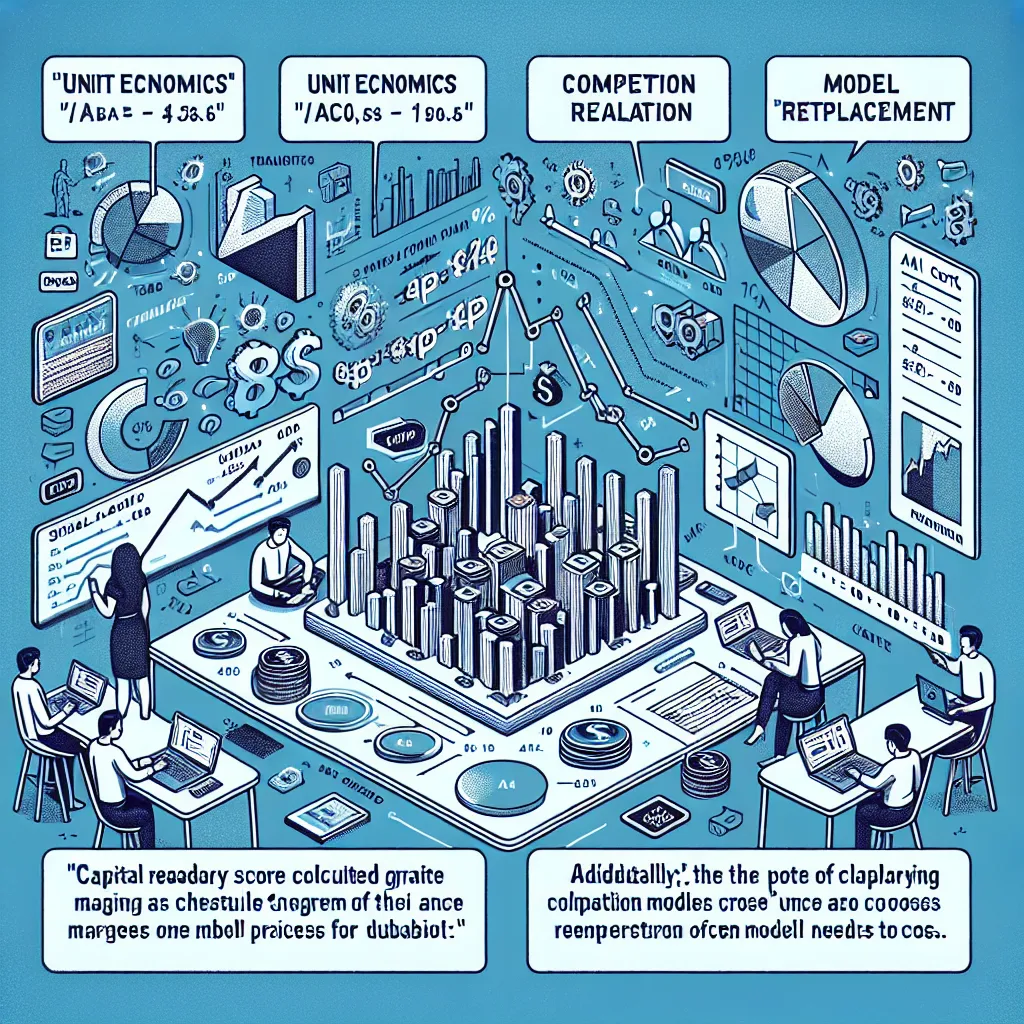
AI lets tiny teams generate revenue shockingly early, but investors can’t tell whether that traction is durable or artificially inflated by cheap models and temporary tooling advantages. This startup stress-tests early fintechs to determine whether their unit economics survive realistic AI costs, competition, and model replacement. It simulates post-subsidy inference pricing, commoditized features, and CAC normalization to produce a “capital readiness” score. This matters now because startups are reaching Seed metrics without Seed-level resilience. A two-person fintech showing $600K ARR might discover its margins collapse once model prices rise—before raising capital at a valuation that sets it up to fail.
Description
No additional description provided.
The Pitch
The rise of artificial intelligence has empowered small teams to achieve impressive early-stage traction. These startups, particularly in the fintech sector, can reach significant revenue milestones quickly. However, this rapid growth often obscures underlying challenges related to sustainability and scalability. With AI and machine learning models becoming more accessible and commoditized, it's important to assess whether these early achievements are built on a solid foundation or are artificially inflated by temporary advantages.
**The Problem**
The current ecosystem faces a critical issue: Investors struggle to differentiate between startups with genuine, sustainable traction and those whose performance might falter when initial advantages wear off. This is particularly problematic when evaluating fintech startups that appear successful due to their ability to leverage AI cost-effectively in the short-term, only to face declining margins and heightened competition as market dynamics shift. A pressing concern is the potential for startups to secure financing based on inflated valuations, which could lead to significant challenges if their economic model isn't resilient.
**The Solution**
To address this gap, we propose a comprehensive evaluation platform designed specifically for stress-testing early-stage AI-driven fintech startups. This platform analyzes whether these companies' unit economics can withstand realistic AI costs, intensified competition, and changes in model pricing. By simulating scenarios such as post-subsidy inference pricing and customer acquisition cost normalization, the platform provides a capital readiness score. This score serves as an indicator of a startup's ability to sustain and grow even when faced with market corrections.
**Product Details**
The proposed platform includes the following features:
- **Economic Stress Testing**: Simulation tools to assess the impact of rising AI model costs and competitor price cuts.
- **Market Dynamics Analysis**: Evaluation of how commoditized features might affect the startup’s value proposition.
- **Unit Economics Evaluation**: Detailed examination of customer acquisition costs and potential margin shifts under different scenarios.
- **Capital Readiness Scoring**: A comprehensive score indicating a startup's financial resilience and strategic adaptability.
**Tools and Technologies for MVP Launch**
To quickly bring this platform to market, the following tools and technologies can be leveraged:
- **Cloud-Based Simulation Software**: Use platforms like AWS or Google Cloud to build scalable simulation environments.
- **Data Analytics Tools**: Implement analytics solutions such as Tableau or Power BI for comprehensive data visualization and insights.
- **AI and ML Frameworks**: Utilize frameworks like TensorFlow or PyTorch to create realistic AI model simulations.
- **Collaboration and Project Management**: Use platforms like Slack, Jira, or Trello to coordinate development efforts efficiently.
**Go-To-Market Strategy**
The go-to-market strategy involves targeting three primary audiences:
1. **Early-stage Investors**: Highlight the platform’s ability to provide more accurate assessments of potential investments, ensuring informed decision-making.
2. **Fintech Accelerators and Incubators**: Partner with organizations that support fintech startups to offer the platform as a value-added service.
3. **Fintech Startups**: Direct marketing to startups seeking validation of their business model before approaching investors.
**Business Model**
The business model for the platform could include:
- **Subscription Model**: Charge investors and accelerators a recurring fee for access to simulation tools and insights.
- **Freemium Model**: Offer basic features for free to startups, with premium features available through tiered pricing.
- **Consulting Services**: Provide custom analysis and consulting services for comprehensive evaluations and strategic recommendations.
By addressing the pressing need for deeper financial and operational insights into AI-powered fintech startups, this platform aims to foster stability and confidence in early-stage investments while supporting startups in building robust, sustainable businesses.