Stablecoin-Powered Cross-Border Invoicing for SMEs
Global trade still runs on delayed wires, clunky FX rates, and manual invoicing—even though exporters and freelancers increasingly accept crypto. This startup enables B2B vendors (especially in LATAM, Asia, and Africa) to issue invoices in USDC or EURC and receive automated reconciliation, payment reminders, and local off-ramps. “export businesses began viewing USDT as a faster and cheaper alternative to regional dollar payment networks,” this platform formalizes that with tax-ready invoices, blockchain receipts, and optional integration into QuickBooks or Xero. For instance, a textile exporter in Bangladesh could send a USDC invoice to a U.S. buyer, auto-track the transfer, and off-ramp into local currency—all while avoiding SWIFT entirely.
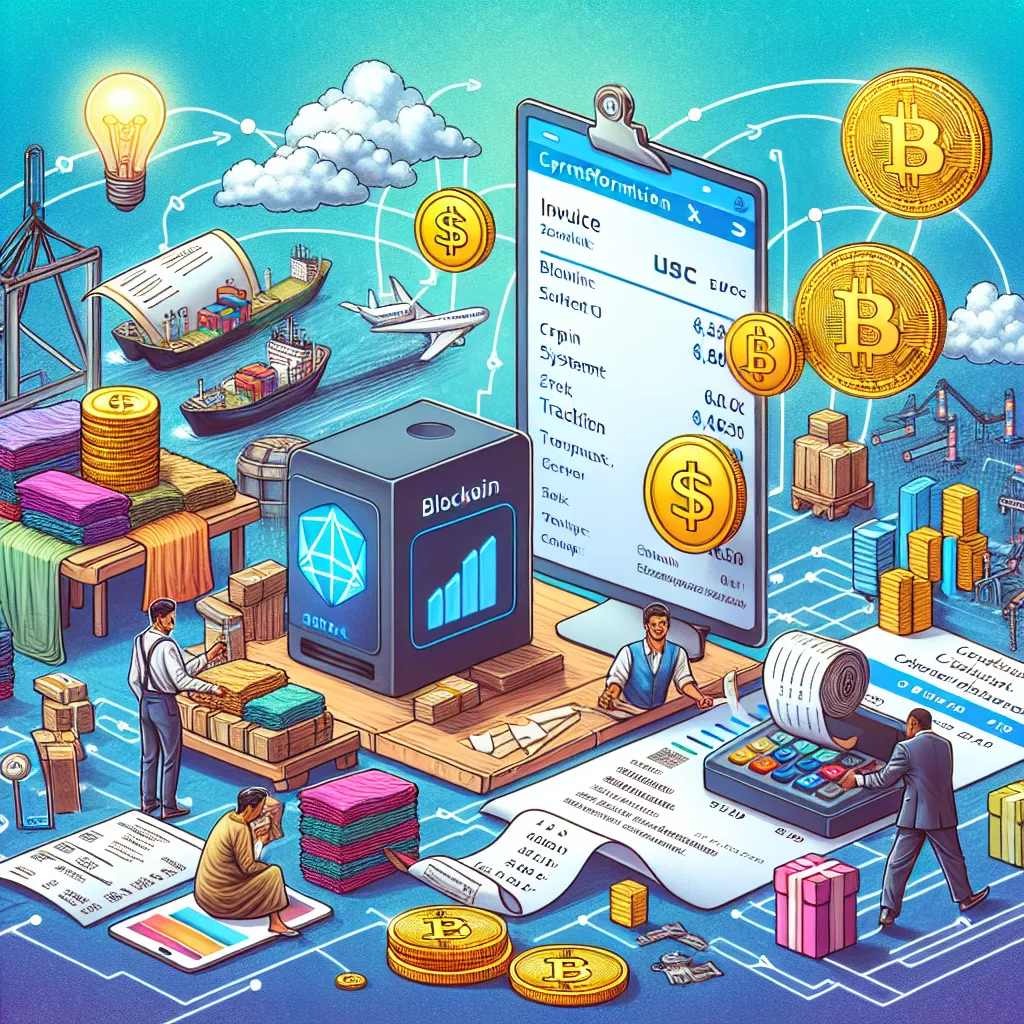
Description
No additional description provided.
The Pitch
Certainly, here is an overview of a potential startup aimed at revolutionizing global trade payments by leveraging cryptocurrency. This outline includes the rationale behind the venture, the problem it addresses, the proposed solution, product specifics, tools for building it as a minimum viable product, go-to-market strategy, and the business model.
**Background:** Global trade predominantly relies on outdated and inefficient payment systems. Traditional methods like wire transfers often involve high fees, delays, and unfavorable foreign exchange rates. Despite the growing acceptance of cryptocurrencies among exporters and freelancers, there is a lack of formalized platforms that can bridge the gap between blockchain advantages and traditional business operations. Particularly in regions such as Latin America, Asia, and Africa, businesses face additional hurdles due to fluctuating dollar reserves and complex banking procedures.
**Problem:** Exporters and freelancers often experience substantial friction in receiving cross-border payments. This friction stems from several factors, including:
- Delayed payment processing and long settlement times. - High transaction fees and unfavorable exchange rates. - Complex reconciliation and invoicing processes. - Limited access to immediate liquidity in their local currency.
These challenges not only impact cash flow but also create significant administrative burdens, thereby impeding growth.
**Solution:** The proposed platform introduces a seamless way for B2B vendors to handle transactions using popular stablecoins like USDC or EURC:
1. **Instant Invoicing**: Generate and send invoices in stablecoins, which are pegged to fiat currencies like the US dollar or Euro for price stability. 2. **Automated Reconciliation**: Track payments in real-time and auto-reconcile transactions. 3. **Payment Reminders**: Automatically send reminders to clients and manage due dates. 4. **Local Off-ramps**: Convert stablecoins directly into local currency, bypassing SWIFT, while ensuring compliance and competitive exchange rates. 5. **Accounting Integration**: Optional integration with platforms like QuickBooks or Xero for a seamless accounting experience.
**Product Details:** The platform offers an intuitive dashboard that provides complete visibility over all transactions. Key features include:
- A user-friendly interface for creating and managing invoices. - Secure blockchain-based transaction tracking. - Multi-currency support for a global client base. - Comprehensive reporting tools for financial analysis and tax preparation.
**Tools for MVP Development:** To develop this platform as a minimum viable product (MVP), the following tools can be utilized:
- **Blockchain Services**: Use platforms like Ethereum or Stellar for issuing and managing stablecoin transactions. - **Payment Gateways**: Incorporate APIs like Stripe or PayPal for additional payment options. - **Frontend Development**: Use React or Angular for building a responsive and intuitive user interface. - **Backend Development**: Use Node.js or Django for building a robust backend capable of handling fintech operations. - **Database Management**: Utilize cloud-based databases like MongoDB or Firebase for scalable storage solutions.
**Go-to-Market Strategy:** To effectively launch and penetrate the market, the following strategies are proposed:
- **Targeted Outreach**: Focus on countries in LATAM, Asia, and Africa that rely heavily on exports and face banking inefficiencies. - **Partnerships**: Collaborate with local financial institutions and blockchain advocacy groups to build trust and increase adoption. - **Freemium Model**: Offer a basic free version with premium features available through subscriptions or one-time purchases. - **Education and Support**: Develop resources and support systems to educate potential clients about the benefits and usage of the platform.
**Business Model:** The platform can generate revenue through multiple streams:
- **Subscription Fees**: Charge a monthly or annual fee for premium features, such as advanced analytics and accounting integrations. - **Transaction Fees**: Earn a percentage fee from each transaction processed through the platform. - **Currency Conversion Fees**: Apply a small fee for local currency off-ramp conversions.
This initiative not only simplifies the global payment process but also empowers businesses in regions with complex financial infrastructures to participate more effectively in global trade.